2026 Top Exhaust Pipe Types Which Is Best for Buyers?
Choosing the right Exhaust Pipe in 2026 requires more than comparing polished finishes and attractive prices. Buyers must consider vehicle fitment, material quality, pipe diameter, sound levels, heat resistance, and local emissions requirements. A pipe designed for a compact commuter may perform poorly on a high-output truck. That difference matters.
This guide examines common types, including aluminized steel, stainless steel, mandrel-bent, single, and dual exhaust pipes. It explains where each design works best and where it may disappoint. Stainless steel often offers stronger corrosion resistance, especially in regions with road salt or heavy rain. However, its higher purchase price may not suit every budget. Aluminized steel can provide practical value, but its protective coating may weaken after repeated exposure to moisture and heat.
Real-world installation details also deserve attention. A correctly sized pipe should connect cleanly, avoid contact with the chassis, and maintain suitable ground clearance. Poor alignment can create rattling sounds under the floor. Small details matter.
Professional fitment data, manufacturer specifications, warranty terms, and independent user experience should guide the final decision. Online opinions can help, but they are not always complete. Some reviews ignore installation quality or vehicle age. That is worth questioning. No single Exhaust Pipe is best for every buyer. The most reliable choice balances durability, performance, legal compliance, maintenance needs, and total ownership cost. This comparison aims to make that decision clearer, while acknowledging that real vehicles and driving conditions can produce different results.
Exhaust Pipe Basics: Purpose, Structure, and Main Functions
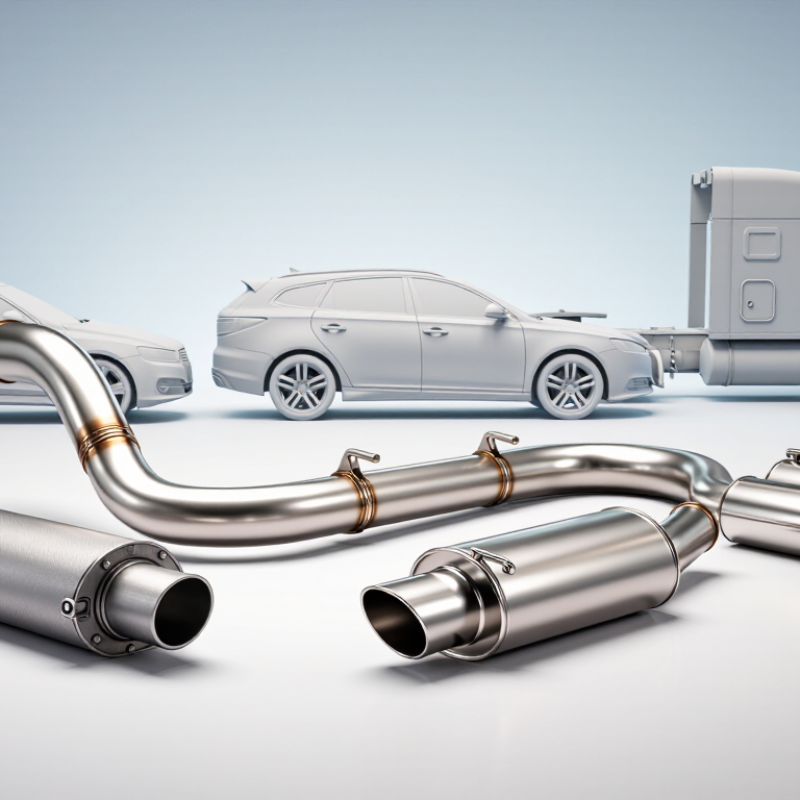
An exhaust pipe carries combustion gases from the engine toward the tailpipe. It helps move heat, pressure, and pollutants away from the passenger area. A sound system also supports quieter and cleaner vehicle operation. Simple, but critical.
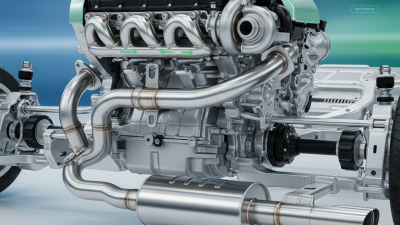
Its structure usually includes pipe sections, bends, flanges, gaskets, hangers, and sometimes a flexible joint. The flexible section absorbs engine movement and reduces stress near the manifold. Mufflers control sound, while catalytic components reduce harmful emissions. These parts work as one system. A leak can create noise, fumes, or unsafe heat under the vehicle. Small cracks matter.
Common pipe materials include aluminized steel, mild steel, and stainless steel. Stainless steel usually resists corrosion better, especially in wet or salty climates. However, material alone does not decide quality. Wall thickness, weld consistency, bend accuracy, and fitment also deserve inspection. A larger diameter is not automatically better. It may reduce gas velocity and weaken low-speed response on some engines. That point is easy to overlook. Buyers should match pipe size with engine output, driving conditions, and the original emissions layout. Check for rust around joints, crushed bends, loose hangers, and black soot marks. Professional measurement is wise when the vehicle has modified airflow or limited underbody space.
Key Exhaust Pipe Types and Their Design Differences
Exhaust pipe design affects durability, airflow, sound, and installation difficulty. For buyers in 2026, the key difference is not appearance alone. Material, shape, diameter, and joint construction control real-world performance.
Stainless steel resists corrosion and suits wet roads or coastal climates. Aluminized steel costs less and offers reasonable heat protection. Plain mild steel is economical, but surface rust usually appears sooner. That trade-off is easy to underestimate. Mandrel-bent pipes preserve a smoother internal path through curves. Crushed bends can narrow the passage and create unwanted restrictions. A larger diameter is not automatically better. It may reduce gas velocity and weaken low-speed response.
Single exhaust pipes are simpler, lighter, and often easier to maintain. Dual pipes can improve routing flexibility and support higher flow, but they need more space and careful balancing. Flexible sections absorb engine movement near the front of the system. Flanges and slip joints make replacement easier when access is limited. Wall thickness also matters. Thin tubing saves weight, while thicker tubing tolerates heat and road impact better.
In my fitting experience, buyers often focus on diameter first. I used to make that mistake too. Clearance, bend radius, hanger position, and heat shielding can matter more. A pipe that fits poorly may rattle against the floor or transfer heat to nearby components. Measure the available route before ordering. Check inlet and outlet sizes, joint angles, and material quality. Small installation details decide whether a promising design works well in practice.
How to Compare Exhaust Pipes by Material and Construction
2026 Top Exhaust Pipe Types: Which Is Best for Buyers?
Comparing exhaust pipes starts with material, not appearance. Aluminized steel is affordable and easy to form. However, its coating can weaken after repeated salt exposure. The World Steel Association recorded about 1.89 billion tonnes of crude steel production in 2023, showing steel’s broad industrial availability. It remains a practical choice for standard replacement systems. Stainless steel usually offers better corrosion resistance. Type 409 stainless suits daily driving and moderate budgets. Type 304 stainless resists rust better, especially in coastal climates, but costs more. Titanium is lightweight and heat tolerant. It is rarely sensible for ordinary buyers.
Construction can change performance more than material alone. Mandrel-bent tubing keeps a smoother internal path than sharply crushed bends. That may reduce flow restriction, although pipe diameter still needs proper engine matching. Check weld penetration, flange flatness, wall thickness, and hanger alignment. Thin tubing can sound harsh and transfer vibration into the cabin. Poorly placed joints may also leak near sensors or catalytic components.
The U.S. Environmental Protection Agency’s Tier 3 framework uses a 120,000-mile useful life for many light-duty emission systems. That makes durability testing more important than polished finish. Look for documented salt-spray, thermal-cycle, and leak testing. A magnet test can help distinguish some steels, but it is not conclusive. Cold-worked stainless may attract a magnet slightly. I would not select a pipe from material labels alone. Fit, weld quality, heat shielding, and verified emissions compatibility deserve equal attention.
Choosing the Best Exhaust Pipe for Vehicle Use and Performance
2026 Top Exhaust Pipe Types: Which Is Best for Buyers?
Choosing the best exhaust pipe depends on vehicle use, climate, and performance goals. Aluminized steel is affordable and suitable for daily driving. However, road salt and moisture can shorten its service life. Stainless steel costs more, but it offers stronger corrosion resistance and stable performance. NACE’s IMPACT study estimated global corrosion costs near 3.4% of worldwide gross domestic product. That figure explains why material choice matters.
Mandrel-bent pipes preserve a smoother internal path than sharply crushed bends. They can support better exhaust flow, especially when an engine has upgraded intake or tuning parts. Larger diameter is not automatically better. An oversized pipe may reduce gas velocity and weaken low-speed response. Titanium is very light and heat resistant, but its price and installation demands limit its value for ordinary buyers. SAE technical studies on exhaust design repeatedly connect pipe diameter, bend quality, and back pressure with engine behavior. Real results still vary by engine.
Tips: Measure the original pipe first. Check wall thickness, hanger locations, and sensor openings. Choose stainless steel for wet climates. Choose aluminized steel for tighter budgets. Ask for verified noise and emissions compatibility. A dramatic sound can feel exciting, but it may become tiring on long trips. My practical judgment is imperfect: many buyers focus on horsepower and overlook fitment, rust protection, and repair access. That mistake can cost more later.
2026 Top Exhaust Pipe Types: Which Is Best for Buyers?
Choosing the Best Exhaust Pipe for Vehicle Use and Performance
How to read this chart: The figures show typical single-exhaust pipe diameter guidelines by engine output. Actual sizing depends on engine displacement, turbocharging, exhaust length, emissions equipment, and the vehicle manufacturer’s design.
Best choice by use: Aluminized steel is a cost-effective option for normal road use. 409 stainless steel offers better corrosion resistance and durability in daily driving. 304 stainless steel is suited to high-temperature, performance-oriented applications. Mandrel-bent pipes help maintain a more consistent internal diameter and reduce flow restriction compared with sharply crushed bends. Double-wall pipes are useful where heat control and appearance are priorities.
Buyer tip: A larger pipe is not always better. Oversized tubing can reduce exhaust-gas velocity and may weaken low-speed response, while undersized tubing can restrict high-load airflow.
 +86 17870576410