2026 Top Valve Electric Exhaust Innovations You Need to Know?
In recent years, innovations in Valve Electric Exhaust systems have gained significant attention. These advanced technologies enhance vehicle performance and efficiency. They allow drivers to control exhaust flow, improving sound and emissions.
The 2026 market promises exciting developments. Manufacturers are pushing the boundaries of what's possible with design and functionality. Upgrades can lead to better fuel economy and thrilling engine notes. However, with so many options available, it can be overwhelming for consumers.
Are these innovations too good to be true? Some users report inconsistent performance in real-world conditions. Others note that while sounds may be captivating, gains in efficiency are minimal. As you explore the latest Valve Electric Exhaust technologies, consider the trade-offs. Balancing performance, cost, and reliability is essential for making informed choices.
Overview of Electric Exhaust Valves and Their Importance
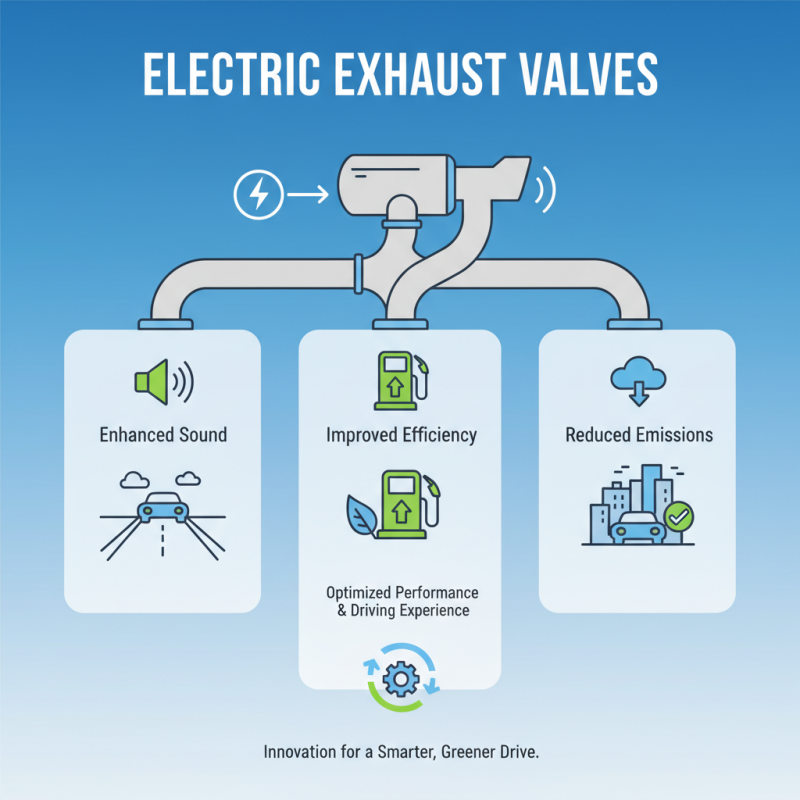
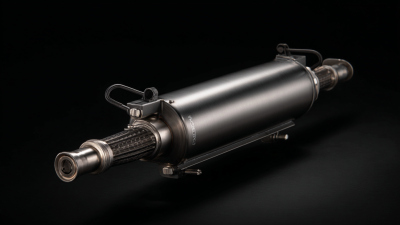
Electric exhaust valves represent a significant advancement in automotive technology. They play a crucial role in enhancing performance, efficiency, and overall driving experience. By controlling exhaust flow, these valves allow for better sound management, improved fuel efficiency, and reduced emissions. This innovation leads to a quieter ride and greater environmental responsibility.
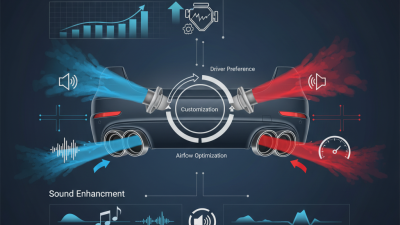
When exploring electric exhaust valves, consider their function. They adjust how exhaust gases exit the engine. This flexibility allows drivers to experience different sound profiles. With the push of a button, the system can shift from a stealthy quiet mode to a powerful roar. This adaptability can transform how a vehicle performs in various driving conditions.
Tips: Pay attention to installation. Proper fitting ensures optimal performance. Misalignment can result in noise or inefficiency. Regular maintenance is equally important. Check for any wear and tear that could affect functionality. Lastly, keep an eye on advancements. The industry moves fast, and new trends may enhance your vehicle's capabilities. Embrace the change, but also reflect on your vehicle's specific needs.
Key Innovations in Electric Exhaust Valve Technology for 2026
The electric exhaust valve technology for 2026 is poised for exciting developments. These innovations focus on
improved control and efficiency. New designs will allow for better airflow management, enhancing engine performance.
The integration of smart sensors can offer real-time feedback. This means optimal adjustments can be made instantly.
Additionally, durability will be a key area of improvement. Materials are being tested for higher resistance to heat and corrosion. Some designs
might lack in user-friendliness, though. This could make maintenance a challenge for some users. However, advancements in automation are
expected to simplify this process over time.
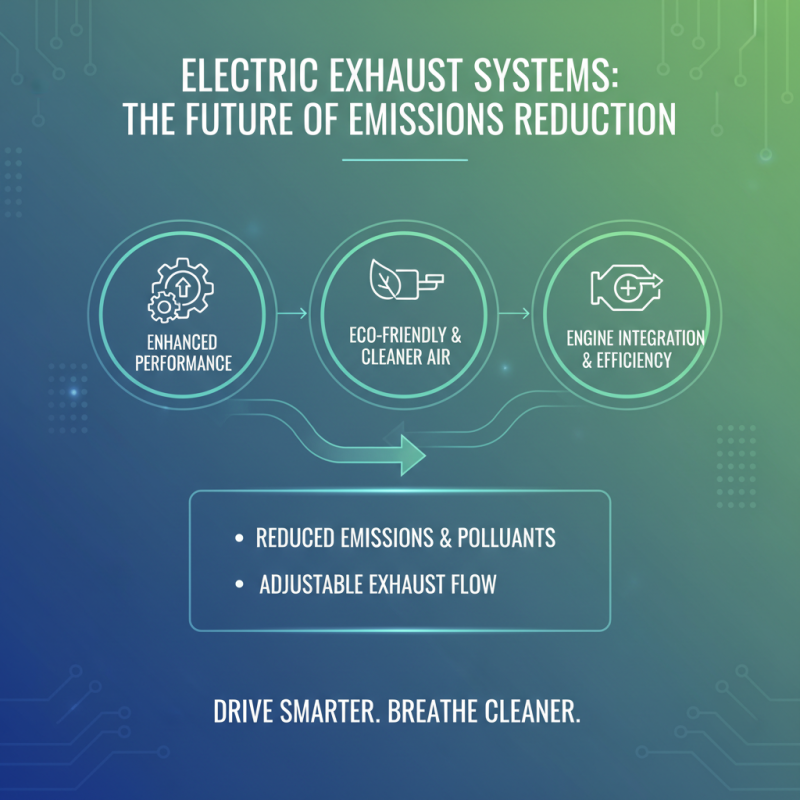
Sustainability is also a priority. Electric valves are being designed to reduce emissions
effectively. Still, some concerns remain about energy consumption in manufacturing. Balancing performance and eco-friendliness is complex. Companies
must continue to refine their approaches. The road ahead is filled with potential, but also obstacles that require thoughtful consideration.
Top Manufacturers Leading the Electric Exhaust Valve Market
The electric exhaust valve market is evolving rapidly. Industry reports indicate significant growth projected at over 15% CAGR through 2026. This growth highlights increasing demand for efficiency and performance in automotive applications. With stricter emissions regulations, manufacturers are investing heavily in innovations.
Several top companies are leading the charge in this market. They focus on enhancing performance while reducing environmental impact. New designs improve airflow and boost engine efficiency. However, challenges remain. Integrating advanced technology can increase production costs. Manufacturers must navigate these complexities to maintain competitiveness.
Furthermore, consumer awareness of eco-friendly solutions is rising. This creates opportunities for businesses willing to adapt. Electric exhaust valves can contribute to reduced carbon footprints. However, firms need to balance innovation with affordability. Potential setbacks include supply chain disruptions and fluctuating material costs. Sustainable practices are essential yet require constant improvement.
2026 Top Electric Exhaust Valve Innovations
Impact of Electric Exhaust Innovations on Vehicle Performance
Electric exhaust innovations are transforming the automotive landscape. These advancements enhance vehicle performance in various ways. They improve throttle response and engine efficiency. Drivers experience a more engaging ride as a result.
One notable aspect is weight reduction. Electric systems can be lighter than traditional components. This weight saving leads to better handling and acceleration. However, it's essential to consider the trade-offs. Some electric systems may lack the robust sound and character of older exhausts. Enthusiasts might miss the visceral experience.
Electric exhausts also incorporate smart technologies. They can adapt to driving conditions. For example, they adjust to provide a quiet ride in the city and a sporty growl on the highway. Yet, the complexity of these systems raises questions about reliability and maintenance. There might be a learning curve for many drivers as they adapt to new interfaces. The evolution of exhaust systems presents exciting possibilities, but it also requires careful consideration of impacts on the driving experience.
 +86 17870576410