Top Benefits of Stainless Steel Exhaust Systems for Your Vehicle
When it comes to enhancing the performance and longevity of your vehicle, investing in a stainless steel exhaust system can offer a multitude of benefits. Unlike traditional exhaust materials, stainless steel exhaust systems are renowned for their exceptional resistance to corrosion and rust, which ultimately leads to a longer lifespan. This durability ensures that your vehicle maintains optimal performance over time, regardless of the weather conditions or driving environments you encounter.
Moreover, stainless steel exhaust systems are designed to improve exhaust flow, contributing to better engine performance and efficiency. By minimizing back pressure, these systems can help your engine breathe more easily, resulting in increased horsepower and torque. Additionally, the aesthetic appeal of stainless steel can elevate the overall look of your vehicle, making it not just a functional upgrade but also a stylish enhancement.
In this article, we will explore the top benefits of stainless steel exhaust systems, delving into how they can transform your driving experience while providing lasting value and performance improvements. Whether you’re a car enthusiast seeking enhanced power or a daily driver looking for durability, understanding the advantages of stainless steel exhaust systems is essential for making informed choices about your vehicle's upgrades.

Key Properties of Stainless Steel in Exhaust Systems
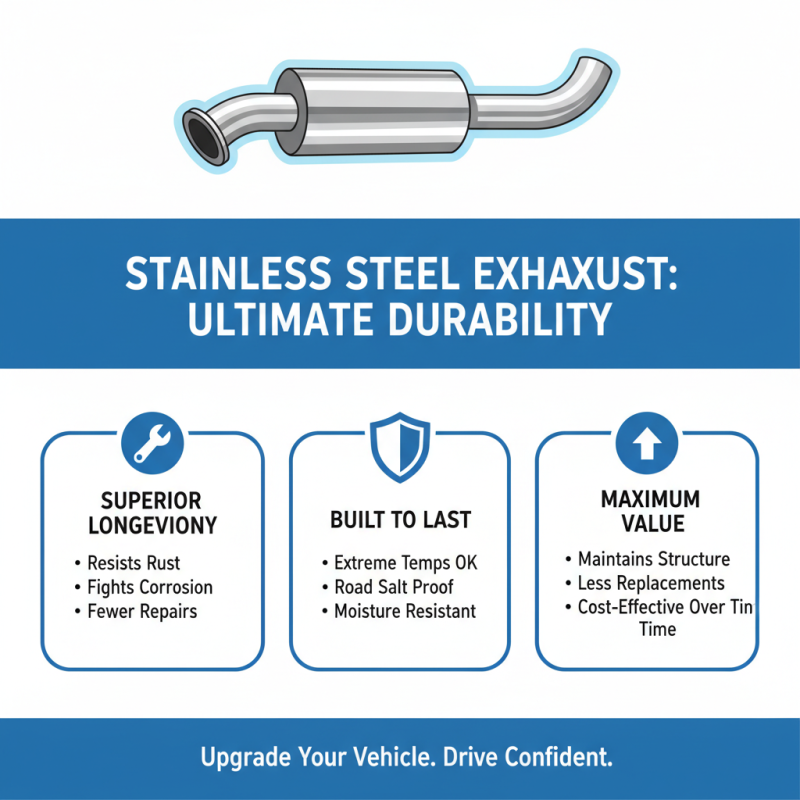
Stainless steel has become a popular choice for vehicle exhaust systems due to its remarkable key properties that enhance performance and longevity. One of the primary advantages of stainless steel is its excellent corrosion resistance. This material can withstand harsh environmental conditions, such as moisture and road salt, which can lead to rust in other metals. By using stainless steel, vehicle owners can ensure that their exhaust systems remain intact and functional over time, minimizing the need for frequent replacements.
Another important characteristic of stainless steel is its high heat resistance. Exhaust systems experience extreme temperatures, and stainless steel can endure these without deforming or losing strength. This feature not only extends the life of the exhaust system but also helps maintain optimal engine performance. Furthermore, stainless steel is lightweight yet strong, which contributes to improved fuel efficiency and better handling of the vehicle.
**Tip 1:** When considering an upgrade to a stainless steel exhaust system, make sure to check the gauge or thickness of the material. Thicker stainless steel generally offers enhanced durability and resistance to wear and tear.
**Tip 2:** Regular maintenance can improve the lifespan of your exhaust system. Look for signs of soot buildup or leaks, and address these issues promptly to avoid more extensive damage.
Top Benefits of Stainless Steel Exhaust Systems for Your Vehicle
Durability and Longevity: Why Stainless Steel is Superior
When it comes to upgrading your vehicle's exhaust system, choosing stainless steel offers remarkable durability and longevity that far surpasses other materials. The inherent properties of stainless steel make it resistant to rust and corrosion, which is especially important when exposed to harsh environmental factors like moisture, road salt, and extreme temperatures. This resistance ensures that your exhaust system maintains its structural integrity over time, resulting in fewer repairs and replacements.
Tips for maintaining the longevity of your stainless steel exhaust system include regular inspections for any signs of damage or wear. Cleaning the system periodically can also prevent buildup that might affect performance. Additionally, avoiding driving in particularly harsh conditions when possible can further enhance the lifespan of your exhaust system.
When compared to alternatives like mild steel, stainless steel is not only more durable but also better suited for high-performance applications. Its ability to withstand intense heat without compromising strength ensures optimal performance, while its aesthetic appeal keeps your vehicle looking sleek. By prioritizing stainless steel for your exhaust system, you can enjoy peace of mind knowing you have a product designed for lasting use.
Performance Enhancements from Stainless Steel Exhaust Systems
Stainless steel exhaust systems offer a range of performance enhancements that can significantly boost your vehicle's capabilities. One of the primary advantages is their ability to improve exhaust flow, which leads to better engine performance. According to a study published in the Journal of Automotive Engineering, vehicles equipped with high-performance stainless steel exhaust systems can experience an increase in horsepower by up to 10% compared to standard exhaust setups. This improvement is attributed to the material's corrosion resistance and durability, allowing for a more efficient and robust design that enhances airflow and power output.
Moreover, stainless steel's lightweight nature contributes to a reduction in overall vehicle weight, further enhancing performance metrics. The reduction in back pressure improves throttle response and acceleration, making driving more enjoyable and responsive. According to industry data, vehicles fitted with stainless steel exhaust systems can achieve up to a 25% increase in torque at low RPMs, which is particularly beneficial for those who prioritize off-the-line performance.
Tips: When considering a stainless steel exhaust system, it's essential to evaluate the gauge of the material used. A thinner gauge may save weight but can compromise durability, while a thicker gauge can withstand higher temperatures but may add extra weight. Balancing these factors will ensure you find the optimal system for your performance needs. Additionally, regular inspections and maintenance can help maximize the lifespan and performance of your exhaust system, ensuring that you reap the benefits for years to come.
Corrosion Resistance: The Unique Advantage of Stainless Steel
Stainless steel exhaust systems have gained popularity among automotive enthusiasts and everyday drivers alike, primarily due to their impressive corrosion resistance. Unlike traditional mild steel options, stainless steel is far less prone to rust and degradation caused by exposure to moisture, road salt, and other corrosive elements commonly found in the environment. According to a report from the Automotive Engineering Journal, stainless steel components can last up to three times longer than their mild steel counterparts, providing significant cost savings in terms of maintenance and replacement over the vehicle's lifespan.
The key to stainless steel's superior corrosion resistance lies in its alloy composition, which typically includes chromium, nickel, and sometimes molybdenum. This composition forms a protective layer that effectively shields the metal from corrosive elements. Studies show that stainless steel maintains its structural integrity even in harsh conditions, such as extreme temperatures and humidity. This resilience is essential not just for performance but also for vehicle safety, as exhaust systems play a crucial role in regulating emissions and ensuring proper engine function.
Investing in a stainless steel exhaust system not only enhances your vehicle's longevity but also supports optimum performance. A report by the Society of Automotive Engineers indicated that optimal exhaust flow characteristics lead to better fuel efficiency, which is increasingly important given rising fuel costs and environmental concerns. Consequently, the advantages of corrosion resistance in stainless steel exhaust systems extend beyond durability; they align with the broader industry trend toward sustainability and efficient vehicle operation.
Top Benefits of Stainless Steel Exhaust Systems for Your Vehicle
| Benefit |
Description |
Impact |
| Corrosion Resistance |
Stainless steel is less prone to rust and corrosion compared to other metals. |
Longer lifespan of the exhaust system, reducing replacement costs. |
| Improved Performance |
Offers better exhaust flow, enhancing engine performance. |
Increased horsepower and torque, leading to better acceleration. |
| Durability |
Stainless steel is highly durable and can withstand extreme temperatures. |
Less frequent repairs and replacements required. |
| Aesthetic Appeal |
Shiny and polished look enhances the appearance of the vehicle. |
Improved resale value due to appealing visuals. |
| Environmental Friendliness |
Recyclable material with low environmental impact. |
Contributes to sustainability efforts in the automotive industry. |
Installation and Maintenance Benefits of Stainless Steel Exhausts
Stainless steel exhaust systems offer significant advantages in terms of installation and maintenance, making them a preferred choice for many vehicle owners. One of the foremost benefits is the ease of installation. Stainless steel pipes are often manufactured with precision, ensuring a snug fit that reduces the need for extensive modifications.
According to a study from the Specialty Equipment Market Association (SEMA), vehicles equipped with stainless steel systems can experience reduced installation times by up to 20% compared to other materials. This efficiency not only saves time but also costs associated with labor, making the upgrade more accessible for enthusiasts and everyday drivers alike.
Maintenance is another critical aspect where stainless steel exhaust systems excel. Their inherent corrosion resistance is well-documented; a report from the Automotive Aftermarket Suppliers Association (AASA) indicates that stainless steel can last up to 3 times longer than its mild steel counterparts in harsh road conditions. This longevity translates to reduced frequency of replacements and repairs, ultimately leading to lower overall maintenance costs. Furthermore, stainless steel’s smooth interior surfaces help minimize buildup of soot and other residues, ensuring optimal performance over time. As a result, vehicle owners can enjoy peace of mind knowing that their exhaust system not only enhances performance but also contributes to the longevity of their vehicle.
 +86 17870576410