Looking for Something that’s not listed on our site?
Contact us and we can make it happen!

Leave Your Message

Top 10 Benefits of Using Stainless Steel Exhaust Tubing for Your Vehicle

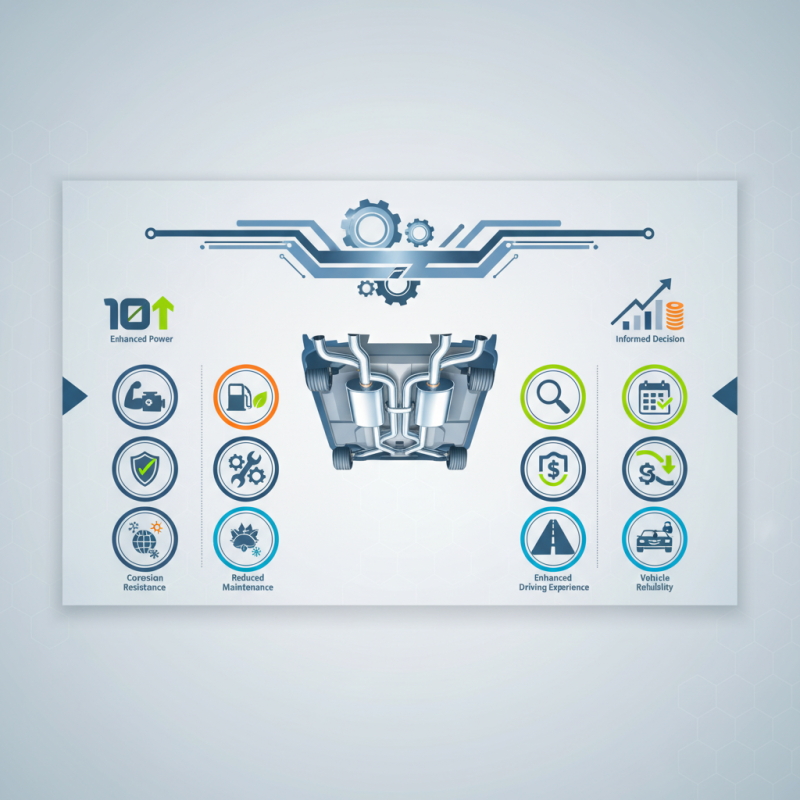
In the world of automotive enhancements, **Stainless Steel Exhaust Tubing** stands out as a preferred choice for many vehicle owners. These pipes offer numerous advantages that significantly improve performance and durability. With the right tubing, drivers can enjoy enhanced power and efficiency. The quality of materials used plays a crucial role in how an exhaust system performs over time.

Choosing stainless steel is not just about looks; it's about long-term benefits. This material resists corrosion better than alternatives. For those who drive in varied climates, this is essential. While it can be more expensive initially, the investment pays off through longevity and reduced maintenance. However, some might still opt for cheaper options and face problems later.

Reflecting on the decision to choose **Stainless Steel Exhaust Tubing** involves weighing immediate costs against future savings. It often requires careful research and consideration. But understanding these trade-offs can lead to a more informed decision. Embracing quality materials can ultimately transform driving experiences and vehicle reliability.
Top 10 Benefits of Using Stainless Steel Exhaust Tubing for Your Vehicle

Advantages of Stainless Steel Exhaust Tubing Over Traditional Materials

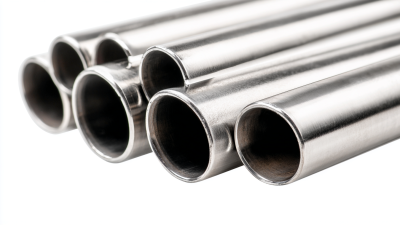
Stainless steel exhaust tubing is increasingly popular for vehicle owners. It offers several advantages over traditional materials like mild steel. One major benefit is its resistance to corrosion. Unlike mild steel, stainless steel can withstand moisture and road salts. This property significantly extends the lifespan of exhaust systems.

Durability is another key aspect. Stainless steel exhausts can handle higher temperatures without warping. This means fewer repairs and replacements in the long run. They also have a sleek, polished appearance that can enhance the overall look of a vehicle. However, stainless steel can be more expensive upfront. Some may hesitate due to the higher initial cost. Yet, the investment pays off with reduced maintenance.

Another consideration is weight. Stainless steel is often heavier than mild steel. This could impact performance for some drivers. Still, many enthusiasts prefer the robust sound and performance that stainless steel provides. All in all, using stainless steel for your exhaust tubing presents unique benefits and challenges, demanding careful thought from vehicle owners.

Top 10 Benefits of Using Stainless Steel Exhaust Tubing for Your Vehicle

Durability and Corrosion Resistance of Stainless Steel in Automotive Applications

Top 10 Benefits of Using Stainless Steel Exhaust Tubing for Your Vehicle

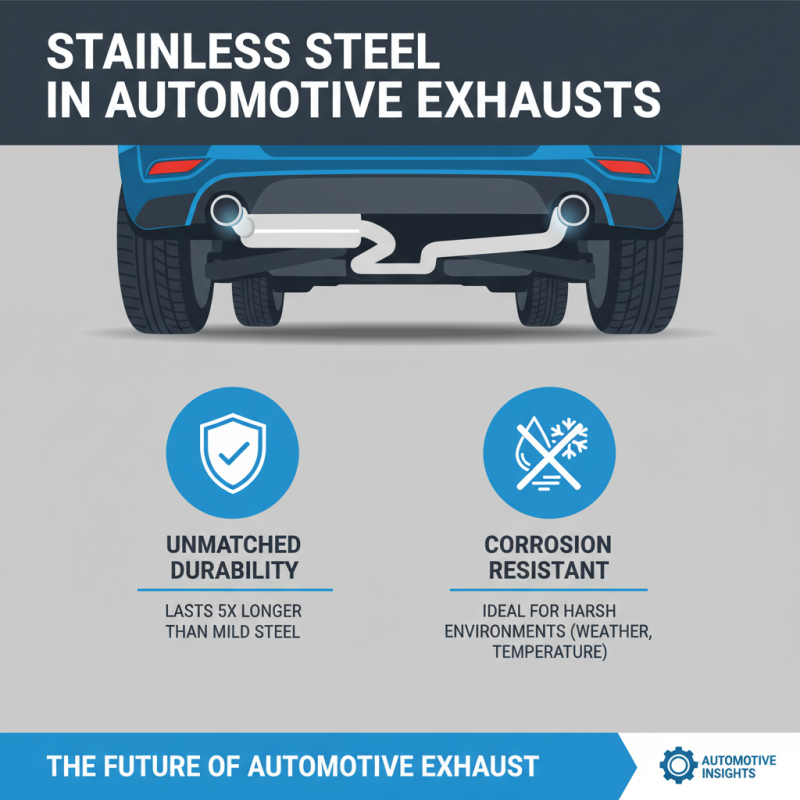
Stainless steel is becoming the go-to choice for exhaust tubing in the automotive industry. Its durability is unmatched. According to the Automotive Engineering Journal, stainless steel can last over five times longer than traditional mild steel in harsh environments. This makes it ideal for vehicles exposed to various weather conditions and temperatures.

Corrosion resistance is another critical benefit. The material's chromium content creates a protective layer that prevents rust. Studies show that vehicles with stainless steel exhaust systems experience 50% less corrosion than those with carbon steel. This feature is especially important for drivers in coastal areas where salt can accelerate the corrosion process.

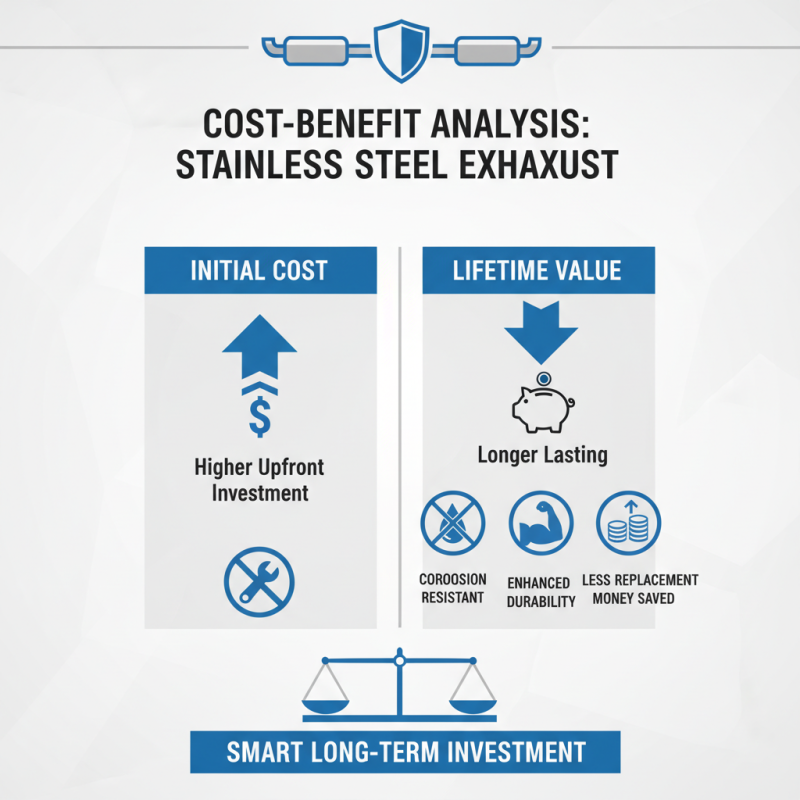
Despite these advantages, some may argue that stainless steel is pricier upfront. However, its longevity often offsets initial costs. Regular maintenance is still necessary, but the reduced risk of corrosive damage saves money over time. Investing in stainless steel exhaust tubing may lead to fewer repairs and longer vehicle life, making it a wise decision.

Impact of Exhaust Tubing Material on Vehicle Performance and Fuel Efficiency

When considering the exhaust tubing material for your vehicle, stainless steel stands out as a top choice. Its durability plays a crucial role in overall performance. Unlike other materials, stainless steel is resistant to rust and corrosion. This feature ensures that the exhaust system lasts longer, reducing the need for replacements. A longer lifespan means less frequent maintenance costs.

The material also impacts fuel efficiency significantly. Stainless steel exhaust systems allow for better exhaust flow. This optimized flow reduces back pressure on the engine. Consequently, the engine works more efficiently. Improved efficiency often translates to enhanced fuel economy. However, it’s essential to choose the right gauge and configuration. Using subpar designs may diminish these benefits.

Although stainless steel is often more expensive initially, its long-term benefits can offset that cost. Vehicles equipped with high-quality exhaust systems tend to perform better in various driving conditions. Yet, some may overlook the importance of routine checks. Neglecting maintenance can lead to issues that compromise performance. It's vital to strike a balance between quality materials and regular upkeep.

Top 10 Benefits of Using Stainless Steel Exhaust Tubing

Benefit Impact on Performance Impact on Fuel Efficiency
Durability Higher lifespan due to resistance to corrosion. Longer replacement intervals contribute to overall savings.
Weight Lightweight, improving acceleration and handling. Less weight can lead to improved fuel consumption.
Exhaust Flow Enhances exhaust flow, improving engine performance. Better flow can increase mileage efficiency.
Heat Resistance Can withstand higher temperatures, protecting engine. Efficient heat dissipation can lead to optimal performance.
Customization Allows for tailored exhaust systems for specific needs. Personalization can optimize vehicle dynamics.
Noise Reduction Can be designed for quieter operation. Quieter engines can create a more enjoyable driving experience.
Aesthetic Appeal Sleek appearance enhances vehicle look. Improved aesthetics may affect perceived value.
Eco-Friendliness Less frequent replacements reduce waste. Higher efficiency may lead to lower emissions.
Value Retention Increases overall vehicle resale value. Better fuel efficiency can attract buyers.
Improved Throttle Response Quicker throttle response due to decreased back pressure. Enhanced response can lead to more efficient driving styles.

Cost-Benefit Analysis: Lifetime Value of Stainless Steel Exhaust Systems

Top 10 Benefits of Using Stainless Steel Exhaust Tubing for Your Vehicle

When considering exhaust systems, the lifetime value of stainless steel components stands out. These systems resist corrosion, enhancing durability significantly. Typically, they last longer than traditional systems, saving money on replacements. Although the upfront cost is higher, the long-term benefits outweigh these initial expenses. Many drivers find themselves paying for replacements every few years with standard materials.

Investing in stainless steel exhaust tubing requires a thoughtful analysis. It’s important to evaluate how often you drive and the conditions of the roads. For regular drivers in harsh climates, stainless steel offers peace of mind. Its resilience can lead to reduced maintenance needs. However, if your vehicle sees limited use, the benefits may be less pronounced.

Reflecting on this, not every vehicle owner may see immediate savings. The advantages of stainless steel may not apply to all driving habits. Information is vital to make the right choice for your vehicle's needs. Consider your driving style and environmental conditions before deciding.

Environmental Benefits of Using Stainless Steel in Vehicle Exhaust Systems

Stainless steel has become a popular choice in vehicle exhaust systems. One of its most significant advantages is its environmental impact. Unlike traditional materials, stainless steel is highly resistant to corrosion. This resistance leads to lower emissions of harmful pollutants over time. As vehicles age, many exhaust systems start leaking. These leaks can release toxic gases into the atmosphere. Stainless steel helps mitigate this issue, promoting cleaner air.

Another environmental concern is durability. Stainless steel tubing lasts longer than aluminum or mild steel. This longevity means fewer replacements and less waste. Disposable materials create pollution, both during manufacturing and disposal. By opting for stainless steel, we can reduce not only the number of exhaust systems produced but also the overall carbon footprint of vehicles.

However, it is worth considering that stainless steel is more expensive upfront. This can deter some consumers. While the long-term savings and reduced environmental impact are clear, the initial cost can be a barrier. Consumers may need to weigh immediate budget constraints against future benefits. Sustainable choices often require hard decisions. The greener option may not always be the easiest one.