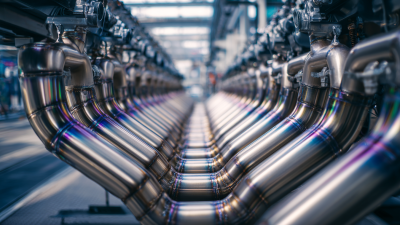
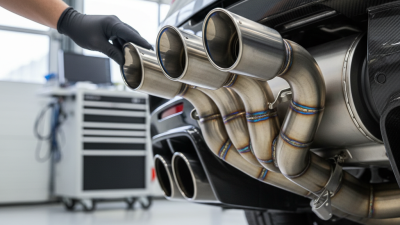
What are the Benefits of Titanium Alloy Exhaust Systems?
The automotive industry continually seeks innovative materials to enhance performance and efficiency. Titanium Alloy Exhaust systems are at the forefront of this evolution. Industry expert Dr. Michael Reynolds states, “The lightweight properties of titanium alloys can transform vehicle dynamics.” This highlights the significant advantages of these materials.
Titanium Alloy Exhaust systems offer impressive benefits. They are lighter than traditional stainless steel systems. This weight reduction can lead to improved handling and acceleration. Moreover, titanium resists corrosion, ensuring longevity. Drivers appreciate that their vehicles maintain peak performance over time.
Despite these advantages, there are challenges. Titanium can be more expensive than other materials. Installation may require specialized skills, complicating assembly. Addressing these issues is crucial for wider adoption among enthusiasts. Ultimately, the impact of Titanium Alloy Exhaust systems on vehicle performance is undeniable. Each component must be considered in the broader context of automotive engineering and consumer expectations.
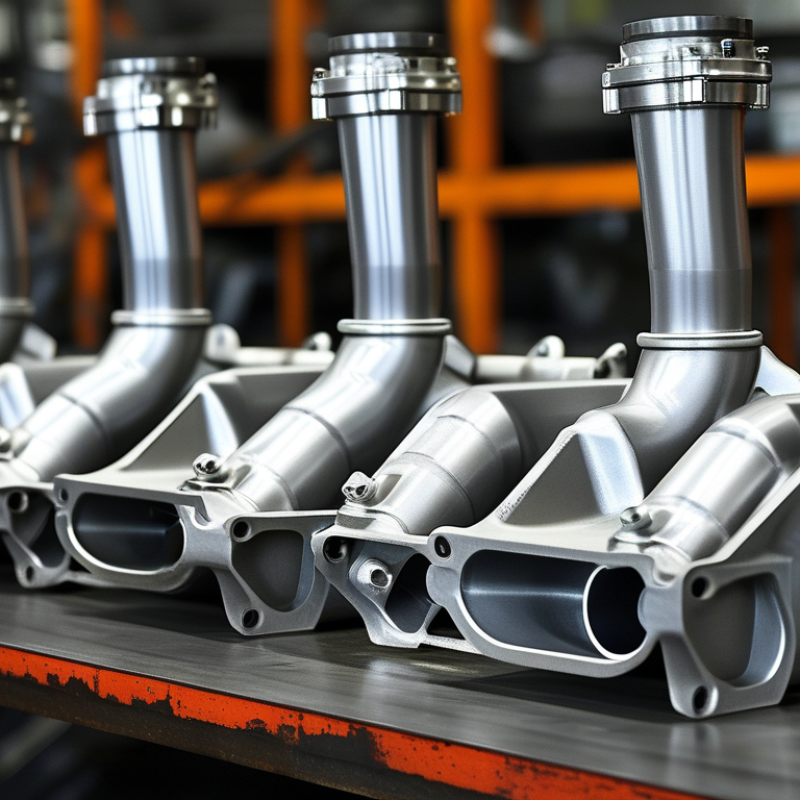
Benefits of Titanium Alloy in Exhaust System Construction
Titanium alloys are increasingly chosen for exhaust systems due to their unique benefits. These materials are lightweight yet strong, offering significant performance improvements. The reduced weight of titanium components can enhance vehicle handling and efficiency. Moreover, titanium has excellent resistance to corrosion, extending the lifespan of exhaust systems, particularly in harsh environments.
It's essential to understand that while titanium offers many advantages, it can also pose challenges. The cost of titanium alloys is higher than traditional materials. Installation may require specialized techniques and expertise, which is something to consider for car enthusiasts. This complexity can be intimidating for those who are inexperienced with high-performance modifications.
Tip: When considering an upgrade, evaluate both the performance gains and the potential costs involved. Weigh the benefits of improved durability against the challenges of installation. Research thoroughly to ensure that the choice aligns with your overall goals. Titanium can transform your vehicle, but careful planning is key.
Weight Reduction: How Titanium Alloys Outperform Steel and Other Materials
Titanium alloy exhaust systems offer several significant advantages over traditional steel components, particularly regarding weight. These alloys are considerably lighter than steel. A titanium exhaust can be up to 45% lighter than its steel counterpart. This weight reduction enhances a vehicle's overall performance. A lighter exhaust system improves acceleration and handling.
Tips: Consider the impact of reduced weight on your vehicle’s dynamics. A more agile ride often results from such upgrades.
In addition to weight benefits, titanium alloys also provide superior corrosion resistance. They withstand harsh conditions better than steel, resulting in longer lifespans and decreased maintenance costs. However, manufacturing titanium components can be more complex and expensive. The initial investment might seem high, but the longevity and durability can outweigh the costs over time.
Tips: Research installation options. Professional setups can maximize the benefits of titanium systems. Always evaluate your specific needs and budget before making decisions.
Corrosion Resistance: Longevity of Titanium Alloy Exhaust Systems
Titanium alloy exhaust systems offer impressive corrosion resistance. These systems can endure harsh conditions without rusting or deteriorating. This durability is beneficial for vehicles that face extreme weather, salt, and other corrosive elements. The lightweight nature of titanium allows for better fuel efficiency, enhancing the overall performance of the vehicle.
The longevity of titanium alloys is remarkable. They can last significantly longer compared to traditional materials. This means fewer replacements over time, which can save money in maintenance costs and improve reliability. However, it is essential to note that not all titanium alloys perform equally. Some may not withstand certain pollutants or temperatures as well as others.
While the advantages are clear, installation can be challenging. Knowledge and expertise are vital when fitting these systems. A poorly installed exhaust can lead to performance issues, negating potential benefits. Therefore, it’s crucial to consult with experienced professionals when considering a titanium alloy exhaust system.
Thermal Properties: Enhanced Heat Management with Titanium Alloys
Titanium alloys are revolutionizing the automotive industry, especially in exhaust systems. Their thermal properties stand out. They effectively manage heat, which is critical for performance. Reducing heat retention helps prevent damage to components nearby. Using these alloys can enhance durability in high-temperature conditions.
With lower thermal conductivity than stainless steel, titanium alloys allow for quicker heat dissipation. This characteristic can improve engine efficiency. However, the challenge lies in their fabrication. Despite their light weight, machining titanium can be difficult. Precision is essential, and this often leads to increased production time.
Moreover, the costs associated with titanium alloys remain a concern. The benefits must justify the investment for many manufacturers. While improved heat management is a notable asset, there are trade-offs. The balance between performance and cost is crucial. Understanding this dynamic can guide better decision-making in automotive design.
Performance Improvements: Boosting Engine Efficiency with Titanium Exhausts
Titanium alloy exhaust systems have gained traction for their ability to enhance engine efficiency. By utilizing lightweight materials, they reduce overall vehicle weight. This reduction can lead to improved acceleration and better handling dynamics. Cars equipped with titanium exhausts often experience a more responsive throttle, allowing drivers to enjoy an exhilarating performance boost.
Moreover, titanium alloys offer superior heat resistance. This allows exhaust gases to flow more freely, enhancing the engine's ability to breathe. As a result, this increased airflow can boost combustion efficiency. When the engine burns fuel more efficiently, it translates to higher power output and improved torque. However, it's essential to ensure proper tuning and installation for maximum benefits. Without proper adjustments, the expected performance gains may not be realized.
Additionally, the durability of titanium can be a double-edged sword. While it resists corrosion better than traditional materials, its rigidity can lead to issues if not designed correctly. Engineers must carefully balance weight reduction with material stress, ensuring the system operates optimally. Awareness of these factors is crucial for achieving the full potential of titanium alloy exhaust systems.
 +86 17870576410