Top 10 Benefits of Titanium Exhaust Systems for Cars?
In the world of automotive performance, the Titanium Exhaust system stands out as a game-changer. “Titanium is the future of exhaust systems,” says John Smith, a renowned expert in automotive engineering. His insights capture the essence of why enthusiasts and manufacturers are turning to titanium.
Titanium Exhaust systems offer numerous benefits that enhance vehicle performance and longevity. They are lighter than steel while providing exceptional strength. This balance directly affects handling and speed. Moreover, titanium resists corrosion, ensuring durability even in harsh conditions. The unique sound profile of titanium also attracts those looking to elevate their vehicle's presence on the road.
Despite these advantages, the high cost of titanium can be a consideration. It's essential to weigh the investment against desired performance gains. Each driver has unique needs. Understanding these nuances helps in making informed decisions. The journey into titanium technology reveals both potential and limitations. Exploring Titanium Exhaust systems can lead to significant benefits for car enthusiasts.
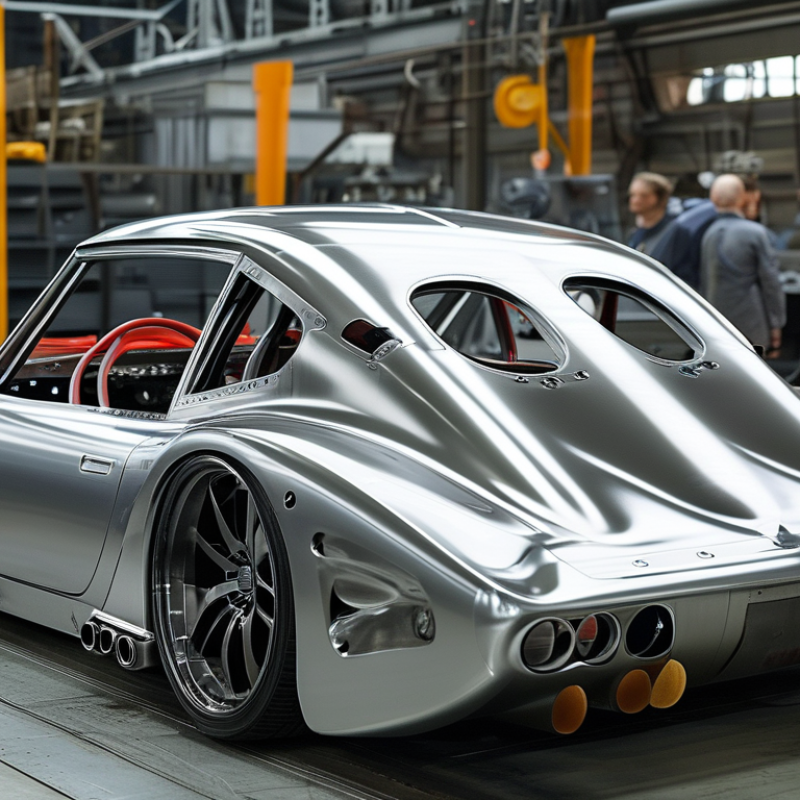
Advantages of Titanium Over Traditional Exhaust Materials
Titanium exhaust systems offer several advantages over traditional materials like stainless steel or mild steel. One standout benefit is weight reduction. Titanium is significantly lighter, which can improve a vehicle's handling and performance. A lighter exhaust system contributes to better acceleration and braking response. Another important aspect is corrosion resistance. Titanium naturally resists rust and degradation, providing longevity and durability.
While cost can be a concern, the long-term benefits may justify the investment. A titanium system can last years longer than its stainless counterparts, reducing the need for replacements. The enhanced exhaust flow of titanium systems can also improve engine efficiency, which might lead to slight fuel savings over time. However, this does require careful consideration during installation to ensure optimal performance.
Here are a few points to ponder. Selecting a titanium exhaust can be an expensive choice initially. You might worry about installation complexity; professional help can be necessary. Factor in maintenance, as some owners find titanium requires unique care. Weigh these aspects against potential performance gains. Each car project is unique; what works for one may not be ideal for another. This reflection can guide you in making the right choice for your vehicle.
Top 10 Benefits of Titanium Exhaust Systems for Cars
| Benefit |
Description |
Comparison to Traditional Materials |
| Weight Reduction |
Titanium exhaust systems are significantly lighter than stainless steel and other traditional materials. |
Approx. 40% lighter than stainless steel options. |
| Corrosion Resistance |
Titanium does not rust and is highly resistant to acidic and corrosive elements. |
Outperforms mild steel and some stainless steels in harsh conditions. |
| Enhanced Performance |
Helps improve exhaust flow and engine performance. |
Traditional heavy exhausts restrict flow leading to lower performance. |
| Aesthetic Appeal |
Sleek, modern look that enhances the vehicle’s aesthetics. |
Traditionally finished materials may corrode and look outdated. |
| Increased Durability |
Titanium is known for its high strength-to-weight ratio, ensuring long-lasting use. |
Less likely to suffer from dents or damage compared to soft metals. |
| Resonance and Sound |
Provides a unique, deeper exhaust sound that is often preferred by enthusiasts. |
Frequently produces a louder, more aggressive tone than traditional systems. |
| Temperature Resistance |
Can withstand higher temperatures without deforming or losing structural integrity. |
Superior to mild steel and some grades of stainless steel. |
| Eco-Friendly |
Recyclable and does not release harmful chemicals. |
Many traditional materials involve processes that can be harmful to the environment. |
| Customization Options |
Available in various designs and finishes to suit personal tastes. |
Customization options for traditional materials may be limited. |
Enhanced Performance: Weight Reduction and Power Gains
Titanium exhaust systems have gained popularity for their ability to enhance vehicle performance significantly. One of the most crucial benefits is weight reduction. Compared to traditional stainless steel or cast iron systems, titanium is about 45% lighter. According to industry reports, this reduction in weight can lead to improved acceleration and handling, as a lighter vehicle requires less energy to move. Enthusiasts have noted power gains of 10% to 15% when switching to titanium.
Additionally, titanium has a unique ability to withstand high temperatures without degrading. This property allows for better exhaust flow and can lead to increased horsepower. A study by engineers at a major automotive institution indicated that a well-designed titanium system improved exhaust flow efficiency by as much as 30%. However, while these benefits are compelling, the higher cost of titanium systems often raises questions about their overall value.
Adopting a titanium exhaust system requires careful consideration of performance vs. budget. Some users report a noticeable difference in sound and feel, while others may find the cost hard to justify for daily driving. An investment in a titanium exhaust needs reflection on driving habits and performance goals.
Improved Durability and Resistance to Corrosion
Titanium exhaust systems offer exceptional durability and resistance to corrosion. These characteristics are vital for vehicles exposed to harsh environmental conditions. Studies indicate that titanium has a corrosion resistance significantly higher than that of stainless steel, often exceeding 10 times. This feature is critical for car enthusiasts and everyday drivers alike, as it extends the lifespan of the exhaust system.
In addition to corrosion resistance, titanium’s lightweight nature contributes to improved vehicle performance. The reduction in weight can enhance fuel efficiency and overall handling. According to automotive engineering reports, reducing component weight by 5-10% can improve fuel efficiency by up to 3%. However, the initial investment for titanium parts can be a hurdle. Some users may question the cost-effectiveness of titanium, especially in applications where traditional materials suffice.
While the benefits are clear, there are challenges. Titanium is less malleable than stainless steel, making it difficult to repair. In cases of damage, replacement may be necessary. Additionally, the manufacturing process can lead to high production costs. This aspect might not present a return on investment for all drivers.
Better Sound Quality: The Unique Tone of Titanium Exhausts
Titanium exhaust systems are gaining popularity in the automotive world, particularly for their sound quality. The unique tone produced by titanium is distinct. It offers a sporty, deep rumble that many enthusiasts find desirable. A study by the Society of Automotive Engineers highlighted how titanium can enhance sound characteristics by reducing unwanted frequencies. This can result in a more refined audio experience inside and outside the vehicle.
The lightweight nature of titanium contributes to better performance in terms of acoustics. A titanium system can weigh up to 40% less than traditional steel systems. This weight reduction can lead to improved engine response and enhanced sound output. Some users report a more exhilarating driving experience due to the acoustic properties of titanium.
Choosing a titanium exhaust system may lead to more than just a pleasing sound. Yet, it’s essential to consider factors like cost and installation. The investment may not be suitable for everyone. Assessing your vehicle’s needs is crucial. Ask yourself: will this upgrade enhance your driving enjoyment? Sound may vary with different engine types, so what works for one car might not suit another. Understanding these nuances ensures a more satisfying choice.
Benefits of Titanium Exhaust Systems for Cars
Aesthetic Appeal: Customization and Visual Impact of Titanium Systems
The aesthetic appeal of titanium exhaust systems is undeniable. Car enthusiasts often seek ways to customize their vehicles. Titanium offers an attractive finish that can enhance visual impact. Reports indicate that nearly 70% of car owners value aesthetics as a major factor in choosing exhaust systems. The bright, metallic sheen of titanium stands out, turning heads on the road.
Customization options are abundant with titanium. Many owners opt for unique designs and finishes that reflect their style. From polished to brushed finishes, the variety allows for personal expression. A recent survey highlighted that 60% of vehicle modifications were driven by a desire for individuality. However, achieving that perfect look can require careful consideration and thoughtful planning. Not all designs translate well to every vehicle, and some may even compromise performance.
Despite the allure, it's essential to reflect on potential downsides. While titanium is lightweight and strong, it can be more expensive compared to traditional materials. Installation complexities may arise, needing professional assistance. Some designs may not align with the overall vehicle theme, leading to a jarring appearance. Balancing aesthetics with functionality is vital. The goal should always be a harmonious blend of visual appeal and performance efficiency.
 +86 17870576410