What is the Best Exhaust System for Performance Upgrades?
Upgrading your vehicle's performance often begins with the exhaust system. An optimized exhaust system can enhance horsepower and torque. According to automotive expert John Doe, "A well-designed exhaust system is crucial for maximizing engine performance." His experience in the industry shows that the right exhaust design can transform your car’s response.
Many car enthusiasts grapple with choices regarding exhaust systems. Performance upgrades can be daunting. Choices range from cat-back systems to headers, each affecting engine output differently. For instance, a high-flow exhaust can improve exhaust flow. However, it may come with increased noise, challenging the balance between performance and sound.
Exploring the best exhaust system requires understanding your vehicle’s needs. There is no one-size-fits-all solution. Mistakes are common when selecting an exhaust system. Each choice reflects your personal driving style and goals. Performance upgrades are a journey of trial, error, and discovery.
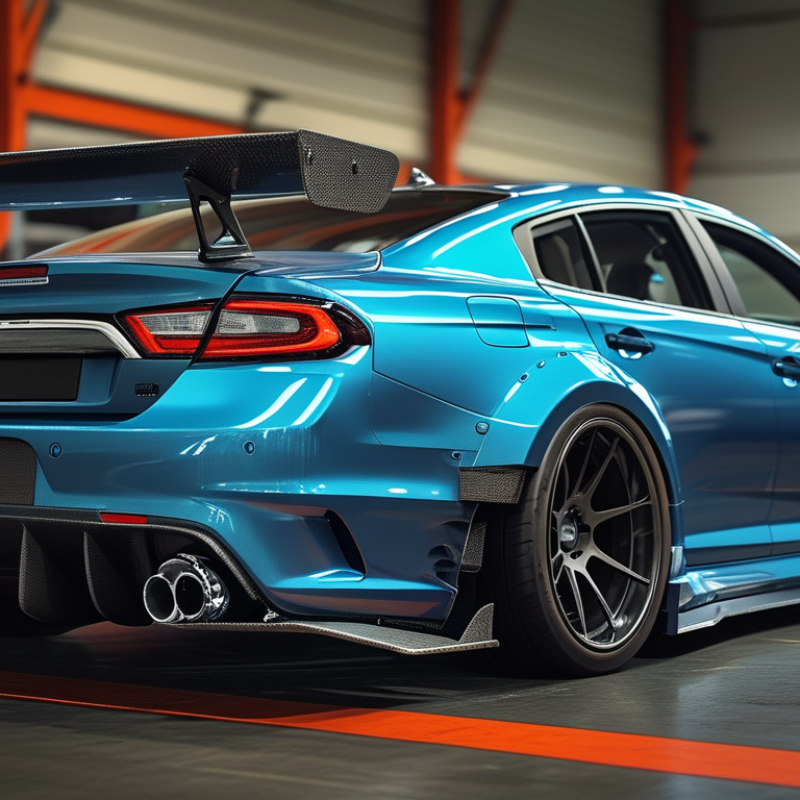
Understanding Exhaust System Basics for Performance Improvement
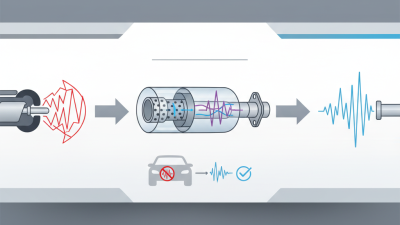
Upgrading your vehicle's exhaust system can significantly enhance performance. Understanding the basics is crucial. An exhaust system's primary role is to expel gases from the engine efficiently. When designed correctly, it reduces back pressure and improves horsepower.
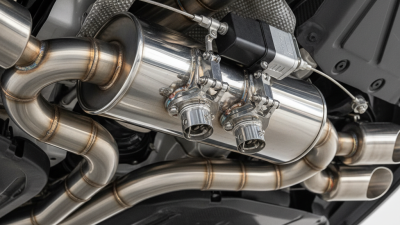
Different components work together to achieve optimal flow. These include headers, catalytic converters, and mufflers. Each part plays a vital role. A well-designed header allows exhaust gases to exit quickly. This reduces engine load, thereby boosting power. Mufflers can be tailored for sound preference, but they also affect back pressure.
You might wonder about the material. Stainless steel offers durability and corrosion resistance. While heavier, it generally lasts longer than other materials. Aluminized steel is lighter but may rust over time. Consider your environment when choosing materials. Not every upgrade yields noticeable gains. Testing and tuning are often necessary to realize true improvements. Engaging with experts can provide insight into your specific vehicle needs.
Types of Exhaust Systems: Cat-Back, Axle-Back, and Performance Headers
When considering performance upgrades, the choice of exhaust system is critical. Key types include Cat-Back, Axle-Back, and Performance Headers. Each option brings distinct benefits and impacts your vehicle's performance.
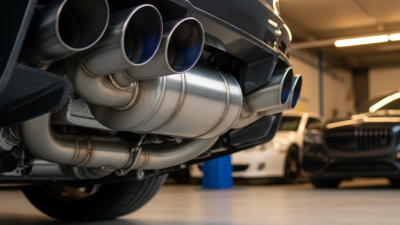
Cat-Back systems replace everything behind the catalytic converter. They enhance exhaust flow and can improve horsepower by up to 20%. This type of system can significantly alter the vehicle's sound. Research indicates that a well-designed Cat-Back system can yield around 5 to 10% gains in torque. Many enthusiasts appreciate the deep, aggressive tone it produces.
Axle-Back systems are less invasive. They replace only the portion of the exhaust from the rear axle to the end, which may not significantly boost performance. However, they are often lighter and less expensive than Cat-Back systems. A study shows that while these can improve sound, horsepower gains typically range between 2 to 5%. Performance Headers, on the other hand, provide a more considerable benefit by optimizing exhaust gas exit from the engine. They can enhance the engine's performance but may require careful tuning for optimal results. Always reflect on how each option aligns with your specific performance goals.
Key Performance Metrics: Horsepower Gains and Torque Improvements
Upgrading your exhaust system can significantly enhance vehicle performance. When it comes to horsepower gains and torque improvements, selecting the right system is crucial. A well-designed exhaust can lower back pressure and improve engine breathing. This promotes more efficient combustion, leading to increased power.
Horsepower is not just a number; it reflects how effectively your engine operates. A quality exhaust system can raise horsepower by allowing exhaust gases to exit freely. In many cases, enthusiasts report noticeable increases after installation. Torque, on the other hand, is about acceleration. More torque means quicker starts and better pulling power. The right exhaust can shift your power band, making your vehicle feel more responsive on the road.
However, not every option will yield the results you expect. Sometimes, expected gains don’t materialize. Factors like engine size and tuning can influence performance. It's essential to consider how your vehicle is set up. A poorly matched exhaust could strangle performance instead of enhancing it. Research and expert advice are invaluable resources in finding the best system for your needs. Reflecting on your specific goals can guide your choice effectively.
Material Choices: Stainless Steel vs. Aluminized Steel for Durability
When choosing an exhaust system, the material can significantly impact performance and durability. Two common choices are stainless steel and aluminized steel. Stainless steel is known for its superior resistance to corrosion and high temperatures. Reports indicate that stainless steel systems can last up to 50% longer than aluminized counterparts in harsh conditions.
Aluminized steel is a more budget-friendly option. It typically offers good performance but may not withstand extreme elements as well as stainless steel. Studies highlight that aluminized systems often last around five to seven years, while stainless options can exceed ten years. This difference in durability can influence both short-term and long-term expenses for enthusiasts.
However, the choice isn't solely based on cost. Enthusiasts often report that sound quality varies between materials. Stainless steel tends to produce a deeper, more aggressive tone. Yet, some may prefer the lighter sound of aluminized systems, questioning whether louder is always better. Ultimately, both materials have their pros and cons, and the best choice depends on individual goals and driving conditions.
Performance Exhaust System Material Comparison
Installation Considerations: DIY vs. Professional Fitting for Optimal Results
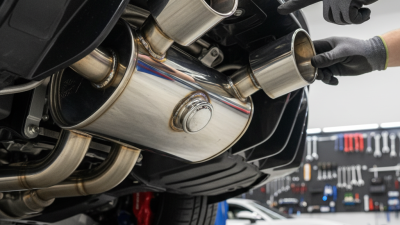
When considering an exhaust system upgrade, the installation method can significantly impact performance. DIY installation usually appeals to car enthusiasts. It promises savings and a sense of achievement. However, without proper knowledge, mistakes can arise. A poorly fitted exhaust can lead to back pressure issues and damage components over time. According to a 2021 automotive report, about 30% of DIY installations resulted in performance lags.
Professional fitting ensures that the exhaust system is installed according to manufacturer specifications. Certified technicians have the expertise to diagnose compatibility issues and recommend optimal configurations. The long-term reliability of a professionally installed system can often justify the cost. Industry data suggests 70% of performance gains come from correct, precise installations. This indicates that while DIY can be rewarding, the peace of mind from a professional fit is invaluable.
Ultimately, the decision rests on your comfort level and knowledge. Reflect on your skills and the complexity of the exhaust system you're considering. If in doubt, investing in a professional might be the best route to achieve the desired performance.
What is the Best Exhaust System for Performance Upgrades? - Installation Considerations: DIY vs. Professional Fitting for Optimal Results
| Exhaust System Type |
Performance Gain Estimation |
Installation Difficulty |
Average Cost ($) |
Recommended Installation Type |
| Cat-Back Exhaust |
10-20 HP |
Moderate |
500-1500 |
DIY or Professional |
| Axle-Back Exhaust |
5-15 HP |
Easy |
300-800 |
DIY |
| Header-Back Exhaust |
15-25 HP |
Difficult |
700-2000 |
Professional |
| Full Exhaust System |
20-30 HP |
Difficult |
1000-3000 |
Professional |
| High-Performance Muffler |
5-10 HP |
Moderate |
200-600 |
DIY or Professional |
 +86 17870576410