Best Exhaust System Options for Optimal Performance?
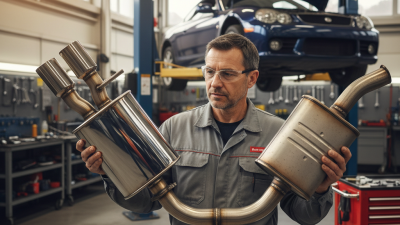
The performance of a vehicle significantly hinges on its exhaust system. When considering upgrades, the right exhaust system can enhance power, efficiency, and sound. Renowned automotive expert, John Smith, emphasizes, "An optimal exhaust system transforms your vehicle’s performance."
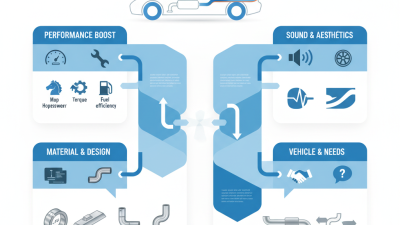
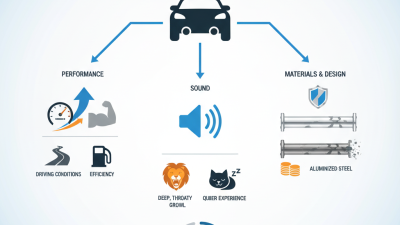
Choosing the best options requires understanding your specific needs. Different vehicles benefit from varying exhaust configurations. For instance, some systems prioritize horsepower, while others enhance torque. It's essential to balance sound, style, and performance. Many enthusiasts overlook the importance of material quality. Stainless steel may cost more but offers durability and corrosion resistance.
Each exhaust system presents unique advantages and potential drawbacks. Installing a high-performance exhaust can dramatically increase noise levels, which may not suit everyone's preferences. Additionally, custom setups might necessitate adjustments to other vehicle components. Consider these factors carefully for the best results. Reflect on your goals and choose wisely. An informed choice leads to a satisfying upgrade.

Understanding Exhaust Systems and Their Role in Vehicle Performance
Exhaust systems play a crucial role in vehicle performance. They guide exhaust gases away from the engine, reducing back pressure. A well-designed system can enhance power output and improve fuel efficiency. Understanding its components is vital. The manifold, catalytic converter, and muffler all contribute to overall performance. Each part has a specific function, and any imbalance can affect efficiency.
Different materials can impact performance as well. Stainless steel is durable, while mild steel offers affordability. Choosing the right material may depend on driving style and environmental factors. Many drivers overlook exhaust configurations, such as single or dual systems. Each has its strengths. A dual system may offer better airflow, which can translate to more power.
It's essential to regularly inspect your exhaust system. Wear and tear can lead to rust and leaks. These issues not only hurt performance but can also lead to costly repairs. Listening for unusual sounds can indicate problems. Sometimes, people ignore these signs. Regular maintenance can help you avoid major failures. Keeping an eye on your exhaust system ensures that your vehicle runs at its best.
Best Exhaust System Options for Optimal Performance
| Exhaust Type |
Material |
Performance Gain (%) |
Sound Level (dB) |
Weight (lbs) |
| Cat-Back Exhaust |
Stainless Steel |
10% |
90 |
30 |
| Axle-Back Exhaust |
Aluminized Steel |
8% |
85 |
25 |
| Header Exhaust |
Steel |
15% |
95 |
35 |
| Performance Exhaust |
Titanium |
12% |
98 |
20 |
| Cat-Delete Exhaust |
Stainless Steel |
20% |
100 |
27 |
Types of Exhaust Systems: Cat-Back, Axle-Back, and More Explained
When it comes to exhaust systems, understanding the options available can greatly enhance your vehicle's performance. Two popular types are the cat-back and axle-back systems.
A cat-back exhaust includes components from the catalytic converter to the rear. This setup typically improves exhaust flow, which can lead to better horsepower and torque. However, the installation can be more complex, requiring some mechanical know-how.
Axle-back exhausts, on the other hand, replace the parts from the rear axle to the tailpipe. These systems are simpler to install and often more affordable. They can provide a sportier sound and a slight increase in performance. However, they may not yield as much improvement in power as cat-back systems. Lighter materials can lead to easier installation but may sacrifice durability.
Choosing the right system depends on your goals. Consider sound preferences, budget, and installation capabilities. Reflecting on your driving style may also help guide your choice. Each system has its benefits and potential drawbacks, requiring thoughtful assessment before making a decision.
Material Choices for Exhaust Systems: Steel, Titanium, and Their Benefits
The choice of material in exhaust systems significantly impacts vehicle performance.
Steel and titanium are two popular options,
each with distinct advantages. Steel is known for its strength and durability.
It can handle high temperatures and resist corrosion effectively. However,
it can be heavier, which may detract from overall performance.
A report from the Automotive Engineering Institute notes that steel exhaust systems often weigh about
15-20% more than their titanium counterparts.
Titanium offers a lightweight alternative, often reducing overall vehicle weight by up to
40%. This reduction can lead to improved acceleration and handling.
It’s highly resistant to both corrosion and thermal expansion, making it ideal for high-performance applications.
However, the cost of titanium can be prohibitive for many vehicles.
According to industry experts, titanium’s price is often two to three times higher than steel.
The decision between steel and titanium ultimately relies on specific performance goals
and budget constraints. Some may prefer the reliability of steel for daily driving.
Others may invest in titanium for racing. Neither option is perfect, as both have their limitations.
Weighing these factors and considering your driving needs is essential for optimal performance.
Performance Modifications: How Exhaust Systems Affect Engine Output
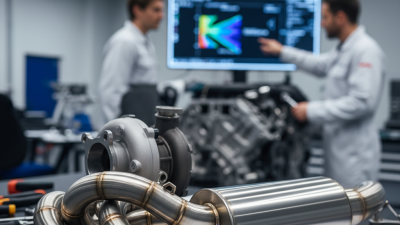
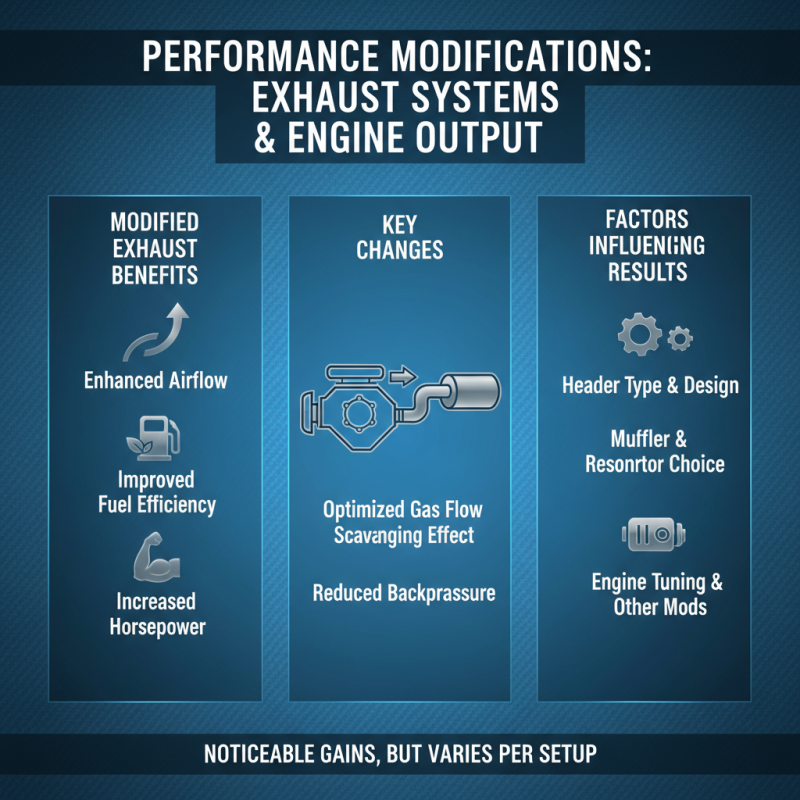
The exhaust system plays a significant role in overall engine performance. When modified, it can enhance airflow, improve fuel efficiency, and increase horsepower. Performance modifications often lead to noticeable changes, but results depend on various factors.
A well-designed exhaust system reduces back pressure. This allows the engine to expel exhaust gases more efficiently. As a result, the engine can breathe better during acceleration. However, not all modifications yield the expected results. Some systems may create noise without a real performance boost. Understanding the interplay between the engine and the exhaust is crucial.
Balancing sound and performance is challenging. Some enthusiasts prefer louder systems for the thrill, but it may cause discomfort in daily driving. Additionally, the choice between materials can impact weight and durability. Stainless steel offers longevity, while lighter options may sacrifice some lifespan. It’s essential to weigh these factors carefully for optimal outcomes.
Choosing the Right Exhaust System for Your Vehicle: Key Considerations
Choosing the right exhaust system is crucial for enhancing your vehicle's performance. Start by understanding your goals. Are you seeking more power, improved sound, or better fuel efficiency? Each option has its benefits. Consider how it aligns with your driving habits.
Materials matter. Stainless steel, for instance, offers durability and resistance to corrosion. Yet, lightweight options can enhance speed and responsiveness. Weigh the pros and cons of each material. It’s vital to choose one that fits your environment and usage needs.
**Tip:** Always check local regulations. Certain exhaust modifications may not be street legal in your area.
Installation is another factor. Professional installation often ensures better performance. However, some may prefer a DIY approach. Research carefully. Incorrect setup can lead to inefficiencies or damage.
**Tip:** Join online forums. Communities can provide insights from experienced users. Learning from others can prevent common mistakes.
Think about maintenance as well. Some systems require more upkeep than others. Balance performance with your willingness to maintain it regularly. Being informed ensures a choice that aligns with your lifestyle.
Best Exhaust System Options for Optimal Performance
 +86 17870576410