+86 17870576410

Upgrading your vehicle's performance often requires attention to the Exhaust Valve. This component plays a crucial role in controlling exhaust flow. An improved Exhaust Valve can enhance engine efficiency significantly. Many car enthusiasts overlook this vital part during upgrades.
Selecting the right Exhaust Valve can be overwhelming. The market offers various options, each promising better performance. It's essential to understand how different valves impact engine dynamics. However, not all options may suit your specific engine needs, leading to reflections on your choices. Evaluating the materials and design of these valves is critical for long-lasting results.
When choosing an Exhaust Valve, consider details like weight and flow characteristics. These factors can greatly affect your car's performance. It's easy to get swayed by popular brands or flashy marketing tactics. Finding the perfect match for your engine requires research and careful thought. Thus, understanding the nuances of various options can ultimately drive your performance goals.

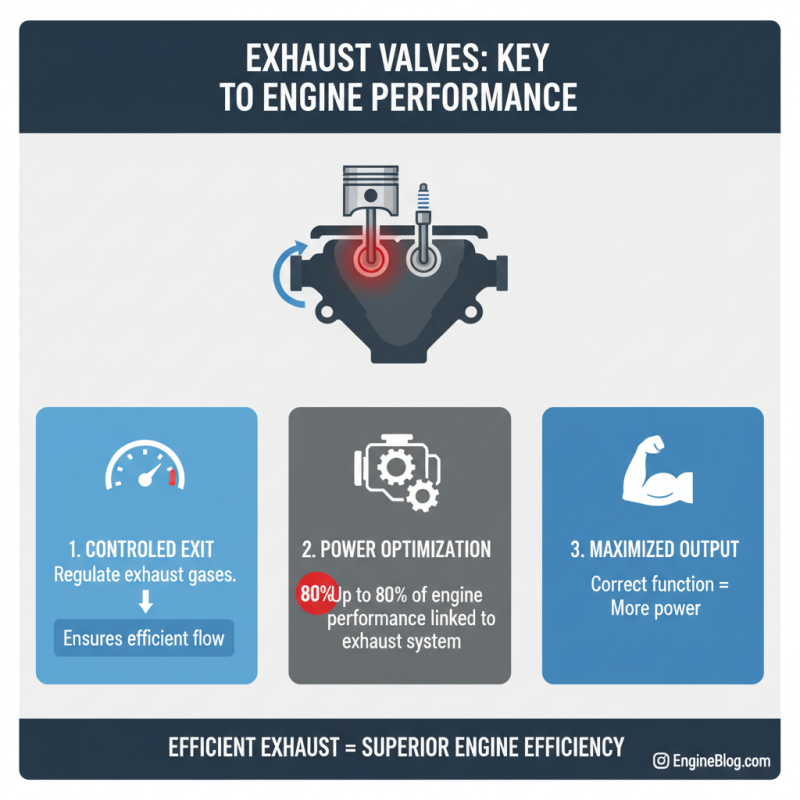
Exhaust valves play a crucial role in an engine’s performance. They control the exit of exhaust gases. An efficient exhaust flow is vital for optimal engine efficiency. According to a recent industry report, up to 80% of an engine’s performance is linked to its exhaust system. When exhaust valves function correctly, they help maximize power output.
High-performance engines often utilize upgraded exhaust valves. These valves can be constructed from different materials for better durability. Titanium valves, for instance, offer both lightweight properties and increased heat resistance. As a result, these valves can enhance engine responsiveness. Yet, not all applications require such upgrades. In some cases, stock exhaust valves perform adequately. Sometimes, prioritizing longevity over peak performance makes sense.
Choosing the right exhaust valve may seem simple. However, it requires careful consideration. Some users may overlook compatibility with existing parts. A mismatch can lead to performance issues. Also, a misinstallation can cause damage to the engine. As a result, it becomes imperative for users to conduct thorough research. This helps avoid common pitfalls associated with exhaust valve upgrades.
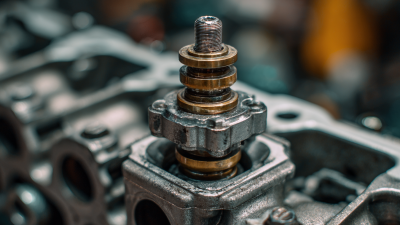
Choosing the right exhaust valve can significantly impact engine performance. When considering options, focus on materials. Stainless steel offers durability, while titanium is lightweight. These materials can help enhance flow and reduce weight. Dimensional specifications matter too. Ensure the valve size fits your engine's requirements. Misalignment can hinder performance and lead to issues.
Another critical factor is the valve lift. Higher lift allows more air intake, boosting power. However, it can also increase wear. Strike a balance between performance and longevity. Additionally, pay attention to the design. Some valves offer better aerodynamics than others. This can improve airflow efficiency. Testing out different designs can yield surprises in performance.
Don't overlook heat resistance. Valves endure intense temperatures. Choosing poorly can lead to premature failure. Regular maintenance and inspections are also necessary. Inspect for wear and tear regularly. Learning from any failures can guide future choices. Each engine is unique, so what works for one may not suit another. Explore your options carefully.
When it comes to enhancing engine performance, choosing the right exhaust valves is crucial. Exhaust valves play a significant role in engine efficiency and power output. In many premium vehicles, high-performance exhaust valves can improve exhaust flow by up to 25%. This increase can lead to noticeable power gains and improved throttle response.
Tips: Always consider the material of the valves. Options include stainless steel and titanium, each with its benefits. While stainless offers durability, titanium is lightweight and can enhance performance.
Selecting aftermarket exhaust valves may present challenges. Compatibility with your engine’s specifications is critical. Many drivers overlook this aspect and face poor performance. Opting for valves with advanced coating technologies may help reduce wear and improve longevity. An ideal valve should withstand extreme temperatures. Many high-performance engines experience heat up to 2000°F.
Tips: Regular maintenance checks are essential to ensure longevity. Inspecting valves for wear regularly can prevent significant engine damage. Don’t wait for noticeable performance drops before considering replacement. Keeping an eye on this can help maintain optimal engine functioning.
| Exhaust Valve Type | Material | Weight (grams) | Max Temperature (°C) | Performance Gain (%) |
|---|---|---|---|---|
| Titanium Exhaust Valve | Titanium Alloy | 85 | 800 | 10 |
| Stainless Steel Exhaust Valve | Stainless Steel | 120 | 700 | 7 |
| Inconel Exhaust Valve | Inconel Alloy | 95 | 950 | 12 |
| Ceramic Coated Exhaust Valve | Steel with Ceramic Coating | 110 | 800 | 9 |
| Aluminum Exhaust Valve | Aluminum Alloy | 75 | 600 | 5 |
| Steel Exhaust Valve | Carbon Steel | 130 | 650 | 6 |
| Hybrid Exhaust Valve | Titanium and Steel | 90 | 850 | 11 |
| Custom Performance Exhaust Valve | Specialized Alloy | 100 | 900 | 15 |
| Lightweight Exhaust Valve | Titanium | 70 | 750 | 14 |
| High-Performance Exhaust Valve | Stainless Steel Modified | 115 | 720 | 8 |
| Titanium-Nitride Coated Valve | Titanium Alloy | 80 | 850 | 13 |
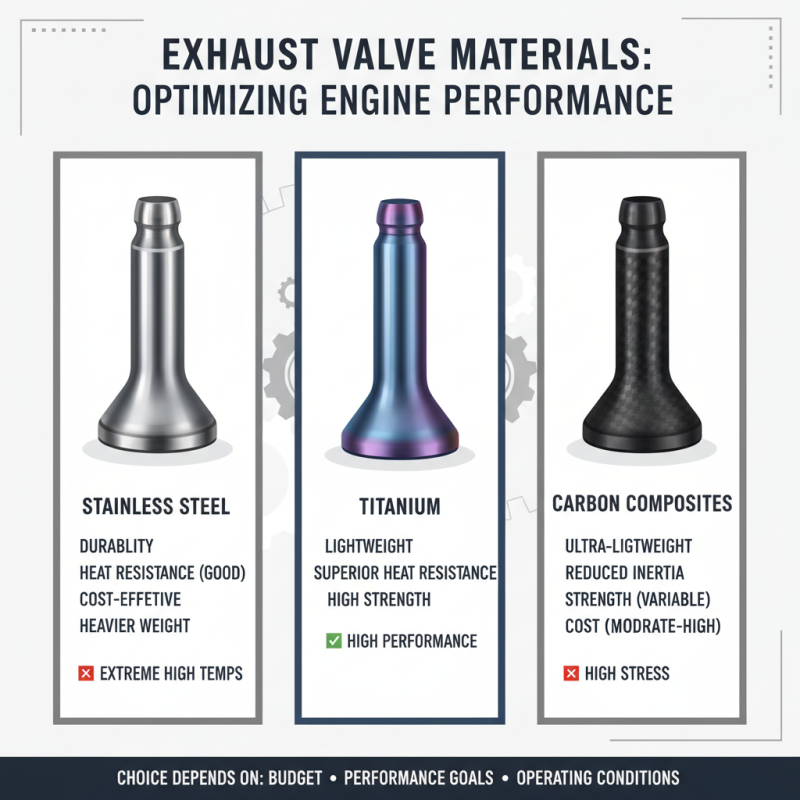
When considering exhaust valves, material selection plays a crucial role in enhancing engine performance. Various materials, such as stainless steel, titanium, and carbon composites, each have their advantages and limitations. Stainless steel is widely used due to its durability and heat resistance. However, it may not perform as well at extremely high temperatures compared to titanium. Titanium valves, while lighter and more heat-resistant, can be more expensive. Composite materials offer lightweight solutions, but may not always provide the same strength under stress.
Tips: Assess your engine's specific needs before choosing a material. Often, the best choice is a compromise between durability and weight.
Additionally, the manufacturing process impacts overall valve performance. Forged valves can offer superior strength compared to cast valves. Yet, the latter may be easier to produce at lower costs. This can create trade-offs between performance and affordability that should not be overlooked.
Tips: Always consider the long-term costs associated with performance upgrades. Sometimes, investing more upfront can save money down the road.
Selecting the right exhaust valve requires balancing multiple factors—performance, cost, and engine compatibility. Each option has its unique set of pros and cons. Users must reflect on their priorities and make informed choices accordingly.
Proper installation and maintenance of exhaust valves are essential for boosting engine performance. A report from the Society of Automotive Engineers indicates that well-maintained exhaust valves can improve engine efficiency by up to 10%. During installation, ensure proper alignment to prevent any leaks. Misalignment can lead to significant power loss and increased emissions.
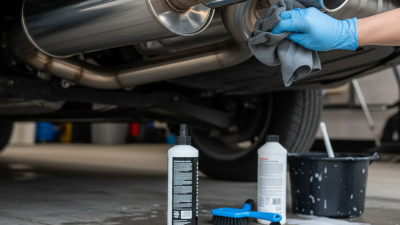
Regular inspections are crucial. Check for wear and tear, as degraded valves can hinder engine performance. The best practice is to clean the valves every 5,000 miles. This helps remove carbon buildup. Simple tools can make the job easier, but many skip this vital step. Remember, neglecting valve care can lead to costly repairs down the line.
Pay attention to valve springs, too. Weak springs can cause valve bouncing at high RPMs. This compromises performance and can lead to engine damage. Many overlook this detail, but it's vital for longevity. Proper lubrication is equally important. Insufficient oil can affect the valve guide and affect performance. Regular maintenance can mitigate these issues and extend engine life significantly.