How to Choose the Best Muffler Straight Pipe for Your Vehicle Upgrade
When it comes to upgrading your vehicle's exhaust system, choosing the right Muffler Straight Pipe is crucial for optimizing performance and sound. According to the Specialty Equipment Market Association (SEMA), the aftermarket automotive exhaust system industry continues to grow, fueled by an increasing demand for customization and enhanced vehicle performance. In 2023, the market size for exhaust systems was valued at approximately $4.5 billion and is projected to grow at a compound annual growth rate (CAGR) of 5.2% through 2028. This highlights the importance of selecting high-quality components that not only improve aesthetics but also contribute to the overall functionality of the vehicle.
A well-chosen Muffler Straight Pipe can provide significant benefits, including improved exhaust flow, which may lead to increases in horsepower and torque. Studies have indicated that proper exhaust upgrades can enhance engine efficiency by as much as 10-15%, making these modifications not just about sound but also about performance. However, with the numerous options available in the market—ranging from materials like stainless steel to variations in diameter and bend radius—making the right choice can be overwhelming. This guide aims to simplify the decision-making process, ensuring that vehicle owners can confidently invest in a Muffler Straight Pipe that aligns with their performance goals and budget.
Understanding Muffler Straight Pipes: Key Features to Consider
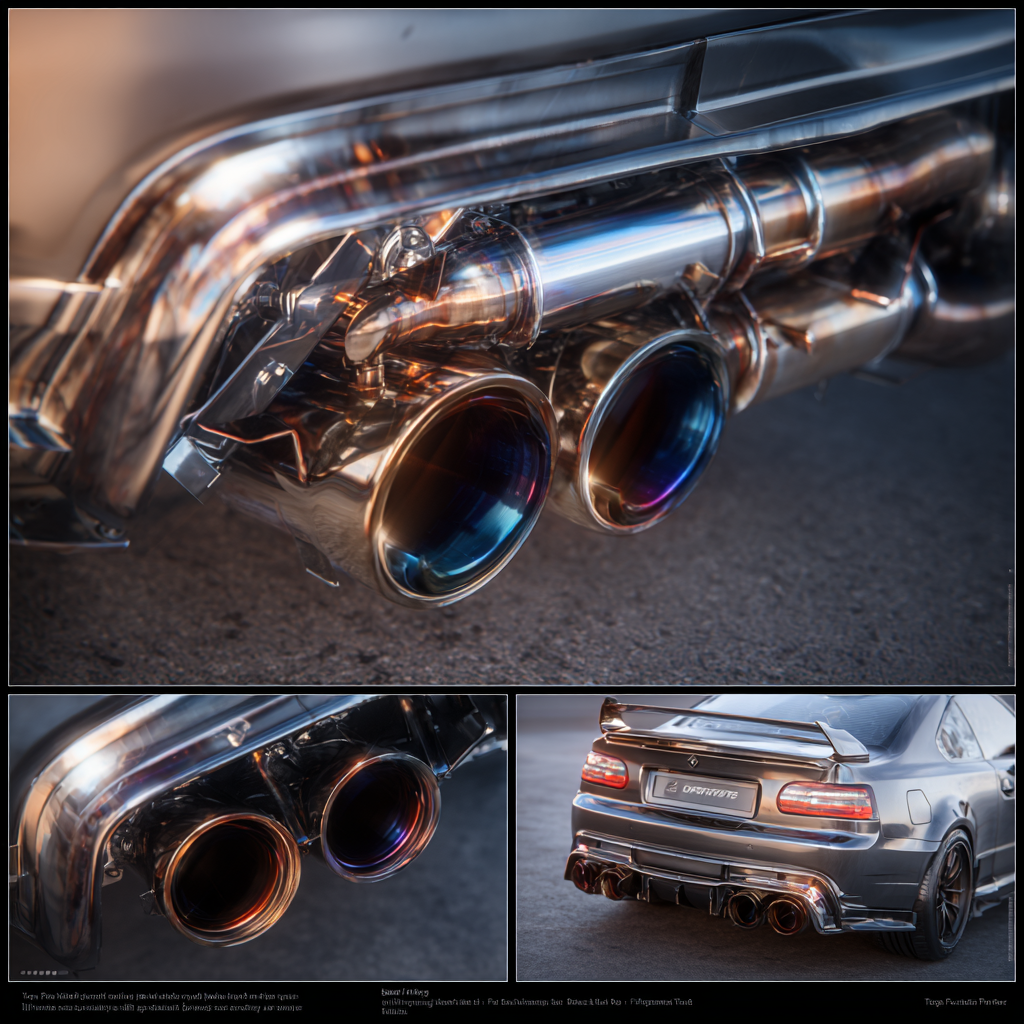
When upgrading your vehicle's exhaust system, understanding the key features of muffler straight pipes is essential to make an informed choice. Firstly, the material of the pipe plays a crucial role in durability and performance. Common materials include stainless steel and aluminized steel. According to a report by the Specialty Equipment Market Association (SEMA), stainless steel is preferred for its corrosion resistance and longevity, outperforming aluminized steel, especially in humid climates.
Another significant factor to consider is the diameter of the pipe. The right diameter can enhance exhaust flow, impacting horsepower and torque. Research from the Automotive Research Center indicates that increasing the diameter of the exhaust pipe by just one inch can lead to a 7-10% increase in horsepower for many vehicles. However, it is vital to balance diameter size with engine compatibility; an excessively large pipe can stall back pressure, negatively affecting performance.
Furthermore, the design of the straight pipe, particularly the presence of bends and how they are shaped, can influence exhaust gas flow. Smooth, gradual bends are preferable over sharp angles, as they minimize turbulence and improve gas velocity. Studies show that streamlined exhaust systems can increase engine efficiency by up to 15%. By understanding these critical features, vehicle owners can select the best muffler straight pipe that aligns with their performance goals.
Decibel Levels of Different Muffler Types
Types of Muffler Straight Pipes: Which One Is Right for Your Vehicle?
When considering the best muffler straight pipe for your vehicle, it’s essential to understand the various types available and their suitability for your specific needs. Muffler straight pipes can be categorized primarily into two types: glasspack and chambered.
 Glasspack designs are known for their loud, aggressive tone and are often preferred by enthusiasts looking for an enhanced sound experience. On the other hand, chambered mufflers are designed to offer a balance between sound and performance, providing a deeper tone while also improving exhaust flow efficiency.
Another aspect to consider is the material used in the construction of the muffler straight pipe. Options include stainless steel, aluminized steel, and mild steel, each with its own durability and corrosion resistance characteristics.
Stainless steel, for instance, is favored for its longevity and resistance to rust, making it an optimal choice for those in wet climates or who plan to keep their vehicle for many years. Ultimately, the right choice depends on your vehicle type, driving style, and personal preferences regarding sound and performance.
Evaluating Material Quality: Stainless Steel vs. Aluminized Steel
When upgrading your vehicle's exhaust system, one critical decision involves choosing the right material for your muffler straight pipe. The two most common options are stainless steel and aluminized steel, each offering distinct benefits and drawbacks.
Stainless steel is renowned for its durability and resistance to corrosion. Its ability to withstand high temperatures and harsh environments makes it an ideal choice for long-lasting performance. This durability can result in lower maintenance over time, which is a significant advantage for vehicle owners looking for longevity.

On the other hand, aluminized steel, while cheaper, may not offer the same level of protection against rust and corrosion as stainless steel. It is coated with aluminum to enhance its lifespan, but this coating can wear away under extreme conditions, leading to eventual deterioration.
For those on a budget, aluminized steel can still be a viable option if the vehicle is used primarily in mild climates. However, for enthusiasts desiring maximum performance and longevity, investing in stainless steel is often the more prudent choice, ensuring optimal sound and functionality throughout the vehicle's lifespan.
Installation Tips: How to Properly Fit a Muffler Straight Pipe
Installing a muffler straight pipe can significantly enhance your vehicle's performance and sound. However, to ensure proper fitting and optimal results, it's crucial to follow specific installation tips. First, make sure you have all the necessary tools and parts before starting. This includes jack stands, a socket set, and possibly an exhaust hangar tool. Begin by safely lifting the vehicle and removing the old muffler. Inspect the exhaust system for any rust or damage that might affect the installation and overall performance of the new straight pipe.
Next, measure the length of the straight pipe needed to fit your vehicle perfectly. Cut the pipe to the appropriate length if necessary. When aligning the pipe, ensure it sits snugly against the exhaust flanges and is properly sealed. Use high-temperature silicone or exhaust clamps for secure mounting and to prevent leaks. As a finishing touch, check the hangers to ensure they support the new setup without any interference. By following these tips, you can achieve a successful muffler straight pipe installation that enhances your vehicle's performance.
Enhancing Performance: The Impact of Straight Pipes on Vehicle Sound and Power
Upgrading your vehicle's exhaust system with a straight pipe can significantly enhance both sound and performance. Straight pipes eliminate restrictive bends and mufflers, resulting in a louder, more aggressive exhaust note that many enthusiasts crave. This enriched sound profile not only turns heads but also provides a more immersive driving experience, particularly at lower RPMs where the throaty growl is more pronounced.
In addition to auditory benefits, straight pipes can potentially increase engine power by allowing exhaust gases to exit more freely. This reduction in back pressure means that your engine can perform more efficiently, leading to a noticeable boost in horsepower. Such enhancements are especially pronounced in performance vehicles, where even minor tweaks can lead to substantial gains. However, it's important to consider local regulations regarding noise emissions and legal exhaust modifications. With the right setup, a straight pipe can truly transform your vehicle’s performance and auditory character into something exhilarating.
 +86 17870576410