Why Choose Stainless Exhaust Pipe for Superior Performance?
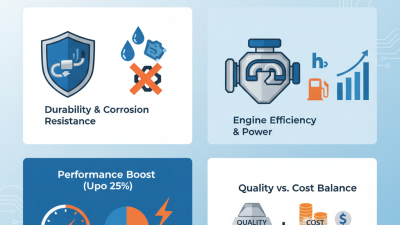
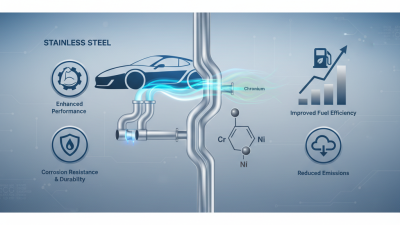
When it comes to automotive performance, the choice of materials plays a crucial role. A Stainless Exhaust Pipe stands out as a top option for enthusiasts seeking durability and efficiency. Unlike traditional exhaust materials, stainless steel offers exceptional resistance to corrosion and heat. This means it can withstand demanding conditions without losing functionality.
Many car owners overlook the importance of the exhaust system. A well-chosen Stainless Exhaust Pipe can enhance horsepower and improve gas flow. This can lead to a noticeable difference in engine performance. However, not all stainless steel options are created equal. Researching quality and specific grades is vital for making an informed choice.
Investing in a Stainless Exhaust Pipe may seem costly at first. Yet, one must consider the long-term benefits. The enhanced longevity and reduced maintenance can outweigh initial expenses. Although there are cheaper alternatives, they often lead to more frequent replacements. This reality raises questions about the true cost of budget choices.
Benefits of Stainless Steel Exhaust Pipes in Automotive Performance
Stainless steel exhaust pipes offer distinct benefits for automotive performance. Their durability stands out. Unlike other materials, stainless steel resists corrosion and rust. This longevity means fewer replacements over time. High temperatures in the exhaust system can degrade weaker materials. Stainless steel, however, can endure these conditions without warping.
Moreover, stainless steel improves vehicle efficiency. Its smooth surface allows for better exhaust flow. Increased flow helps the engine breathe. This can enhance horsepower and torque. Some drivers notice improved fuel efficiency as well. However, not everyone experiences the same results. Installation quality and vehicle type can impact performance.
It's essential to consider the initial cost. Stainless steel pipes may be pricier than alternatives. Yet, this investment often pays off in the long run. Mechanics report fewer issues with stainless installations. Proper maintenance still matters, though. Regular checks can prevent unexpected problems. Some might overlook this aspect, leading to costly repairs. Balancing performance and upkeep ensures the best outcomes.
Comparison of Stainless Steel vs. Traditional Materials for Exhaust Systems
When it comes to exhaust systems, the material choice plays a vital role. Stainless steel outperforms traditional materials like mild steel and aluminized steel. It resists corrosion effectively, ensuring longer life for your exhaust system. Traditional materials can rust and deteriorate quickly, especially in harsh environments. A rusty exhaust pipe not only looks bad but also negatively affects performance.
Stainless steel pipes maintain structural integrity under high temperatures. They handle exhaust gases without warping. This durability leads to improved engine performance and efficiency. In contrast, mild steel often succumbs to heat and stress. Drivers may find themselves replacing traditional systems more frequently, which can be costly.
There are trade-offs. Stainless steel is generally more expensive than standard materials. Not everyone may see immediate value in that investment. Some might think that replacing a rusty pipe with another mild steel option is acceptable. However, considering the long-term costs, the choice seems logical. Investing in stainless steel is investing in performance and reliability. It's a decision that, despite the upfront expense, often proves worthwhile when you consider longevity and efficiency.
Impact of Stainless Steel on Exhaust Gas Flow Efficiency and Power Output
Stainless steel exhaust pipes are becoming increasingly popular in automotive performance upgrades. This material enhances exhaust gas flow efficiency. A study by the Society of Automotive Engineers (SAE) indicates that stainless steel can improve exhaust flow by up to 15%. This improvement results in better performance and increased power output.
The superior heat resistance of stainless steel allows it to maintain structural integrity at higher temperatures. Conventional materials may warp or corrode under these conditions. The properties of stainless steel mean that it can reduce back pressure in the exhaust system. Lower back pressure directly correlates with improved engine efficiency. Consequently, this leads to more horsepower and torque available at the wheels.
While stainless steel offers significant advantages, it is not without drawbacks. Installation can be more complex, requiring specialized tools. Additionally, the initial cost is often higher compared to traditional materials. Some users may find the weight difference negligible, given the high performance gains achieved. Ultimately, considering these factors will help determine the best option for specific performance goals.
Longevity and Corrosion Resistance: Why Stainless Steel is Preferred
Choosing stainless steel for exhaust pipes is driven by its
longevity and corrosion resistance. Stainless steel can last up
to three times longer than traditional materials. This is crucial for vehicles that face diverse weather conditions.
Moisture and salt can cause significant damage to exhaust systems made from non-stainless materials. According to
industry reports, stainless steel can withstand temperatures ranging from -400°F to over 1500°F.
Corrosion resistance plays a vital role in maintaining performance. With the right grade,
stainless steel can resist rust and chemical corrosion. Studies indicate that vehicles with stainless exhaust pipes have
a better resale value. This is attributed to their ability to maintain structural integrity over time. Choosing stainless
steel ultimately leads to fewer replacements and repairs.
Tip: Regular maintenance is essential. Even stainless steel needs checks
for any unusual wear. Look for discoloration or unusual sounds. Early detection can prevent costly repairs down the road.
Consider adding a protective coating for extra longevity. Evaluate the environment your vehicle operates in; harsher conditions
may require more vigilance.
Industry Insights: Adoption of Stainless Steel in High-Performance Vehicles
In recent years, the automotive industry has increasingly embraced stainless steel exhaust systems. This shift highlights a growing understanding of the material's advantages in high-performance vehicles. Stainless steel is known for its strength, durability, and resistance to corrosion. These properties ensure that exhaust systems can endure extreme temperatures and pressures while maintaining optimal performance.
Performance enthusiasts often prefer stainless steel due to its lightweight nature. A lightweight exhaust can enhance horsepower and acceleration. This is crucial for enthusiasts seeking to maximize their vehicle's potential. However, it’s essential to remember that not all stainless steel is created equal. Different grades offer various benefits. Researching material specifications can make a significant difference in overall performance.
Tip: When considering a stainless exhaust system, consult with experts. Their insights can guide you toward the right grade for your needs.
Another consideration is sound quality. Stainless steel can produce a distinct, sharp sound that many drivers appreciate. However, the tone can vary based on design and material thickness. It’s wise to listen to sound clips or attend meetups to hear different setups before making a decision.
Tip: Always balance performance with personal preference for sound. Your exhaust should reflect your style as much as your need for power.
 +86 17870576410