How to Choose the Best Flexible Muffler Pipe for Your Vehicle?
When it comes to vehicle maintenance, choosing the right parts is crucial. One such part is the Flexible Muffler Pipe. This component plays a vital role in your car's exhaust system. It allows for movement and flexibility, helping to reduce vibrations and noise.
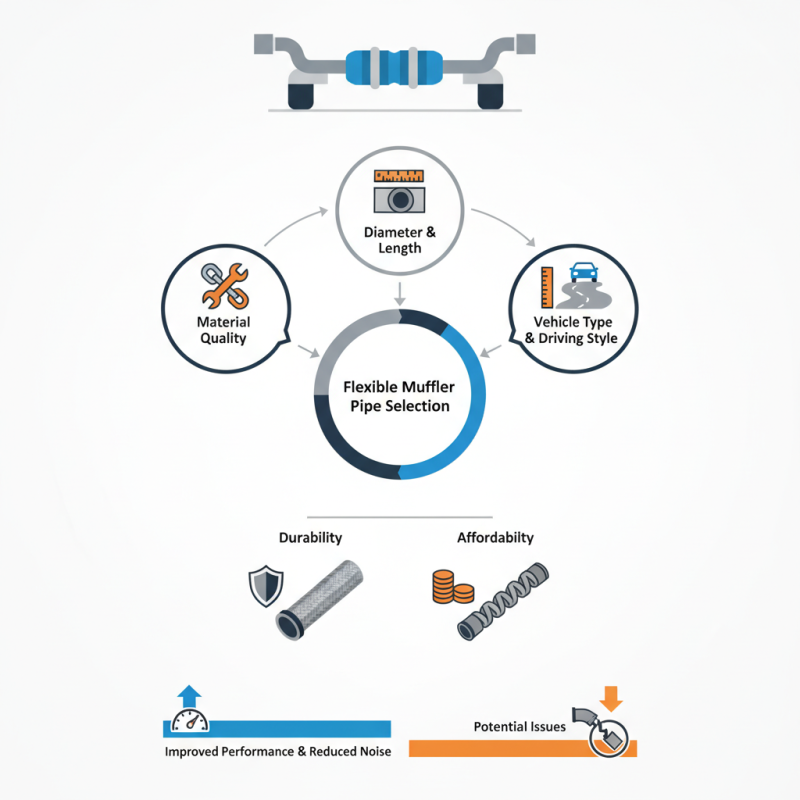
Selecting the best Flexible Muffler Pipe can be challenging. Many options exist, and not all are designed equally. Consider factors like material quality, diameter, and length. A well-chosen pipe can improve performance. An ill-fitting one might cause issues.
It's important to think about your vehicle's needs. Are you looking for durability or affordability? A flexible option can sometimes be a quick fix, but may lack longevity. Reflect on your driving style and maintenance habits. This decision impacts your vehicle's efficiency and noise levels. Take time to understand the features of the Flexible Muffler Pipe before making a choice.
Understanding Flexible Muffler Pipes and Their Functions
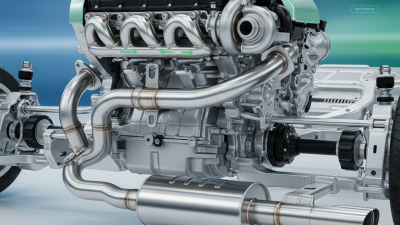
Flexible muffler pipes are essential components of a vehicle’s exhaust system. These pipes allow for movement between the engine and exhaust, reducing stress on parts. They help absorb vibrations, making your ride smoother and quieter. A well-functioning flexible pipe contributes to efficient exhaust flow, which is crucial for engine performance.
When choosing a flexible muffler pipe, consider its materials. Stainless steel offers durability and resistance to rust. Some options use rubber for added flexibility, but they may wear out faster. Examine the dimensions. Compatibility with your vehicle's make and model is vital for optimal performance. Installing a pipe that doesn’t fit properly can lead to exhaust leaks, which can harm engine efficiency.
Take time to reflect on the installation process. It may seem straightforward, but improper installation can lead to future problems. Ensuring a good seal is crucial. Listen for unusual noises after installation; they might indicate a poor fit. Investing in the right flexible muffler pipe can enhance your vehicle's longevity and performance.
Factors to Consider When Selecting a Muffler Pipe
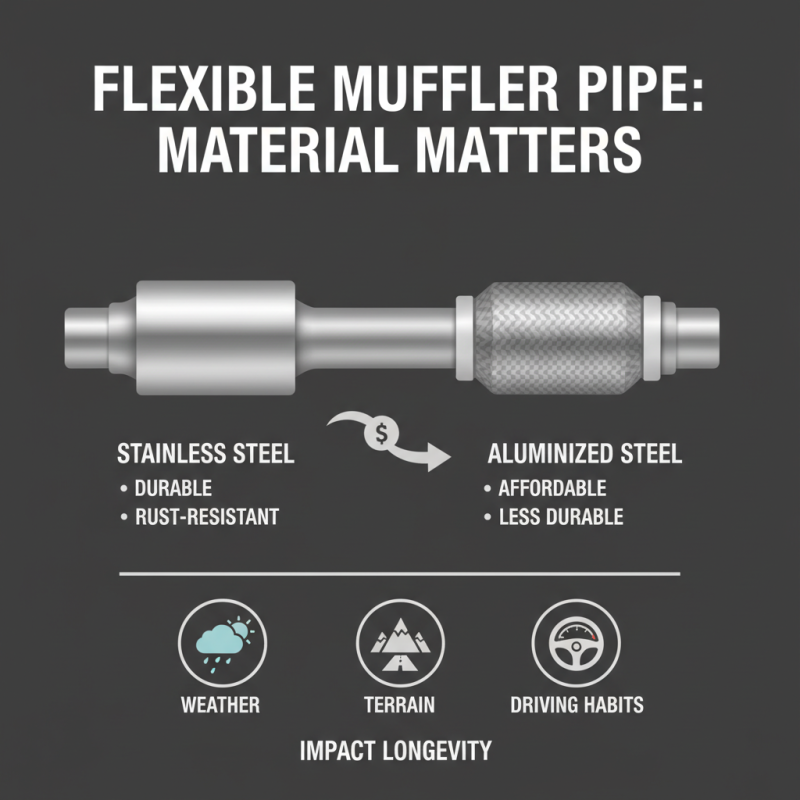
When selecting a flexible muffler pipe for your vehicle, several critical factors require attention. Assess the diameter of the pipe. It must match your vehicle’s exhaust system. A mismatch can lead to poor performance. Also, consider the material. Stainless steel and aluminized steel are common options. Each has its pros and cons. Stainless steel offers durability but comes at a higher cost. Aluminized steel is corrosion-resistant yet may not last as long.
Next, think about the flexibility of the pipe. A highly flexible design can accommodate various installations. This is useful for those with unique exhaust configurations. Observe the thickness of the pipe walls. Thicker walls can reduce noise and improve flow. However, they might be more challenging to install. Warning: some pipes may look appealing but lack essential features.
Finally, reflect on your specific needs. If you often drive in harsh conditions, durability should be a priority. For occasional use, something less robust may suffice. Keep in mind: not all flexible muffler pipes are created equal. Research thoroughly before making a decision. A wrong choice can lead to performance issues. Don’t rush; take your time to find the right fit for your vehicle.
How to Choose the Best Flexible Muffler Pipe for Your Vehicle
This chart illustrates the factors to consider when selecting a flexible muffler pipe, based on their importance rating.
Material Choices for Durable Flexible Muffler Pipes
When selecting a flexible muffler pipe, the material plays a crucial role in durability and performance. Stainless steel is often favored for its corrosion resistance, strength, and longevity. According to industry studies, stainless steel can last up to three times longer than traditional mild steel under harsh conditions. This makes it a popular choice among vehicle enthusiasts.
Another option is aluminized steel, which offers a cost-effective solution. It has a thin layer of aluminum that helps resist rust. However, its lifespan is shorter than stainless steel, making it less ideal for long-term use. Some reports indicate that aluminized steel pipes can succumb to corrosion after just a few years of exposure to moisture and chemicals.
Moreover, rubber and silicone options are available. These materials provide flexibility and easy installation but can degrade due to heat and wear. In fact, research shows that high-performance vehicles often experience significant wear with rubber components, leading to frequent replacements. As you consider options, keep in mind the specific needs of your vehicle and driving conditions. Balancing cost, performance, and longevity is essential for optimal results.
Sizing and Fit: Ensuring Compatibility with Your Vehicle
When it comes to choosing a flexible muffler pipe, sizing and fit are crucial. A pipe that doesn’t match your vehicle can lead to issues down the line. Start by measuring the diameter of your current exhaust system. A mismatch can cause leaks, leading to poor performance. There are various sizes available, but be cautious. Buying the wrong size could mean trouble.
Compatibility goes beyond mere diameter. You should also consider the length of the pipe. Measuring the space in your vehicle’s undercarriage is essential. Too long, and it won't fit; too short, and it will not reach where it needs to go. While many pipes are adjustable, relying on this feature can be risky. Check vehicle specifications and guidelines.
Before purchasing, take time to research options. Not every pipe will perform identically even at the same size. Reviews can help, yet personal experiences may vary. It’s not always straightforward. Many vehicle owners find satisfaction in one pipe, while others face challenges with similar options. Reflect on your vehicle's unique needs to make an informed choice.
How to Choose the Best Flexible Muffler Pipe for Your Vehicle?
| Aspect |
Details |
| Material |
Stainless Steel, Aluminized Steel |
| Diameter Options |
2.25 inches, 2.5 inches, 3 inches |
| Length Options |
12 inches, 18 inches, 24 inches |
| Flexibility |
High flexibility for better fitment |
| End Types |
Slip Fit, Weld-On |
| Compatibility |
Designed for various vehicle makes/models |
| Installation |
Easy installation with basic tools |
| Warranty |
Limited lifetime warranty available |
Installation Tips for Flexible Muffler Pipes to Maximize Performance
When installing a flexible muffler pipe, consider the material type. Stainless steel is durable and resistant to rust, while aluminized steel is more affordable but less durable. Assess the conditions your vehicle faces. Weather, terrain, and driving habits can all affect its longevity.
Proper measurements are critical. Use a tape measure to ensure a snug fit. If you cut the pipe too short, it can lead to leaks. Remember to double-check the dimensions before making any cuts. A good seal will enhance performance and minimize noise.
Using the right tools can make the job easier. A pipe cutter provides clean edges. A wrench set allows precise tightening of clamps. Avoid overtightening, as this can lead to damage. Keep in mind that not all installations are perfect. You may need to tweak adjustments to find that sweet spot for your vehicle’s performance.
 +86 17870576410