2026 How to Choose the Best Titanium Muffler for Your Vehicle?
Choosing the right titanium muffler for your vehicle can be a pivotal decision. Titanium mufflers offer a unique blend of benefits. Reports suggest that vehicles with titanium components can be up to 30% lighter than those with traditional mufflers. This weight reduction can enhance performance and efficiency.
Moreover, titanium excels in durability and corrosion resistance. According to industry studies, titanium mufflers can last two to three times longer than stainless steel counterparts. This longevity reduces replacement frequency and cost. However, selecting the best model is not straightforward.
Many options exist, each with unique specifications. It's essential to consider factors like sound quality, fitment, and compatibility with your vehicle. Not every titanium muffler will suit every vehicle type. Therefore, assessing individual vehicle needs is crucial. This careful consideration will ensure optimal performance and satisfaction with your choice.
Understanding Titanium Mufflers and Their Benefits
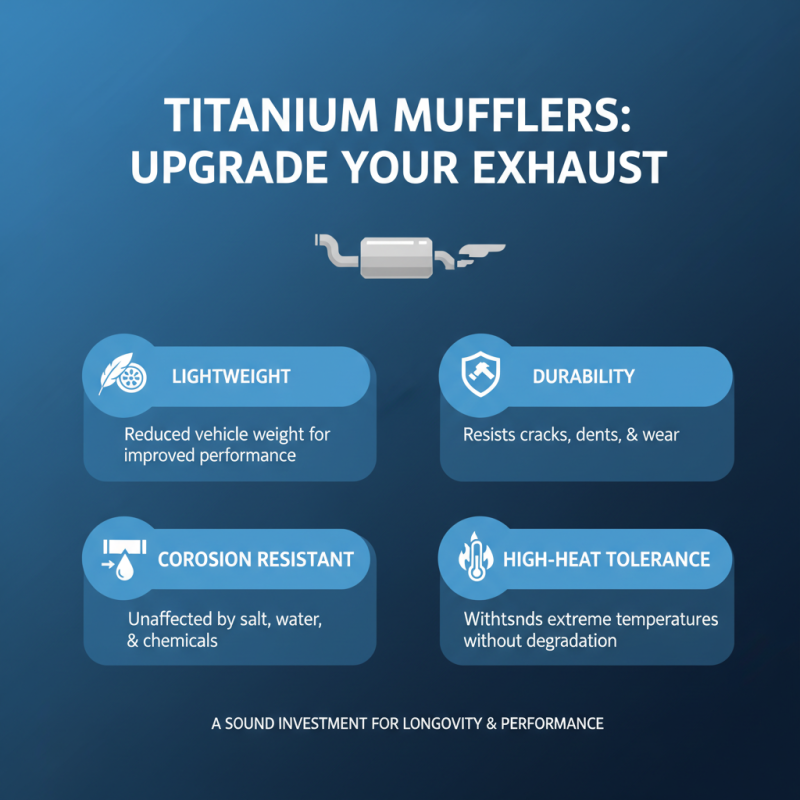
Titanium mufflers are becoming increasingly popular among vehicle enthusiasts. They are known for their durability and lightweight properties. These mufflers can handle high temperatures and resist corrosion better than traditional materials. This makes them a sound investment for those who seek longevity in their vehicle’s exhaust system.
One key benefit of titanium mufflers is their ability to improve performance. They can enhance exhaust flow, which leads to better engine efficiency. Many drivers notice an increase in horsepower and torque after installing one. However, it's important to consider that not all titanium mufflers will yield the same results. The installation process can also be tricky, and incorrect fitting may negate performance benefits.
Moreover, while titanium offers significant advantages, cost can be a drawback. These components often come with a higher price tag than conventional mufflers. Vehicle owners should weigh the benefits against their budget. It's essential to research different options and consult with experts. Proper guidance can help make an informed decision, ensuring you choose the right titanium muffler for your needs.
Key Factors to Consider When Selecting a Titanium Muffler
When selecting a titanium muffler for your vehicle, several key factors come into play. Titanium's lightweight nature is one of its significant advantages. It reduces vehicle weight, improving acceleration and fuel efficiency. Studies show that vehicles with titanium components can experience up to a 2-5% increase in mileage, depending on driving conditions.
Another consideration is sound. The acoustic properties of titanium can produce a unique exhaust note. This is often more refined compared to traditional materials. However, it's crucial to assess whether you prefer a deep, aggressive tone or a subtle one. Misjudging this can lead to dissatisfaction after installation.
Tips: Consider your driving style when choosing a muffler. Performance cars may benefit from a louder exhaust, while daily drivers might prefer something quieter.
Durability is also paramount. Titanium mufflers tend to resist corrosion and last longer than those made from steel. Reports indicate that titanium can last up to five times longer under harsh conditions. However, the cost can be significantly higher. Balance your budget with your longevity expectations.
Tips: Always check for reviews or consult with professionals. Personal experiences can provide valuable insights into product performance.
2026 How to Choose the Best Titanium Muffler for Your Vehicle? - Key Factors to Consider When Selecting a Titanium Muffler
| Factor |
Description |
Importance |
| Material Quality |
Durability and resistance to corrosion. |
High |
| Sound Level |
The noise level generated during operation. |
Medium |
| Weight |
Lighter weight enhances performance and efficiency. |
High |
| Fitment |
Compatibility with your specific vehicle model. |
High |
| Price |
Cost-effectiveness relative to features offered. |
Medium |
| Brand Reputation |
Trustworthiness and customer satisfaction ratings. |
Medium |
| Warranty |
Length and coverage of the warranty offered. |
High |
Comparing Performance: Titanium Muffler vs. Other Materials
When choosing a muffler, material matters significantly.
Titanium is lighter than steel and offers better corrosion resistance. This means it can last longer, especially in harsh environments.
In contrast, steel mufflers can rust and degrade over time. The weight difference also impacts your vehicle’s
performance. A lighter muffler improves acceleration and handling.
However, titanium mufflers can be expensive. Not everyone can afford them. They also produce a unique sound, which may
not suit every driver’s taste. Steel or aluminum mufflers can offer a more traditional, subdued noise. These options can be just as effective if budget constraints exist.
Durability and performance are key aspects to consider. While titanium has advantages, users must weigh the costs and benefits.
The differences in sound and longevity are critical. Choose a material that aligns with your driving style and budget. This decision will shape your vehicle’s experience
for years to come.
Installation Tips for Your New Titanium Muffler
Installing a titanium muffler can seem daunting. It's crucial to approach the process with care. Start by gathering the necessary tools. You’ll need a socket wrench, jack stands, and a cutting tool. Ensure your work area is well-ventilated to avoid harmful fumes. If you're unsure about your skills, consider seeking help from an experienced friend or a professional.
Before removing the old muffler, take time to inspect the exhaust system. Look for rust or damage. This is important because a faulty exhaust can affect your new muffler's performance. When installing the titanium muffler, follow the manufacturer's guidelines closely. Each model may have specific requirements. Tighten all bolts securely to prevent leaks.
After installation, start your vehicle and listen carefully. You may notice a difference in sound and performance. If something seems off, double-check your work. It's easy to miss a small detail, which can lead to bigger issues later. Don’t hesitate to consult online forums or expert resources for additional tips. Documenting your process can also be beneficial for future reference.
Maintenance and Care for Long-lasting Titanium Mufflers
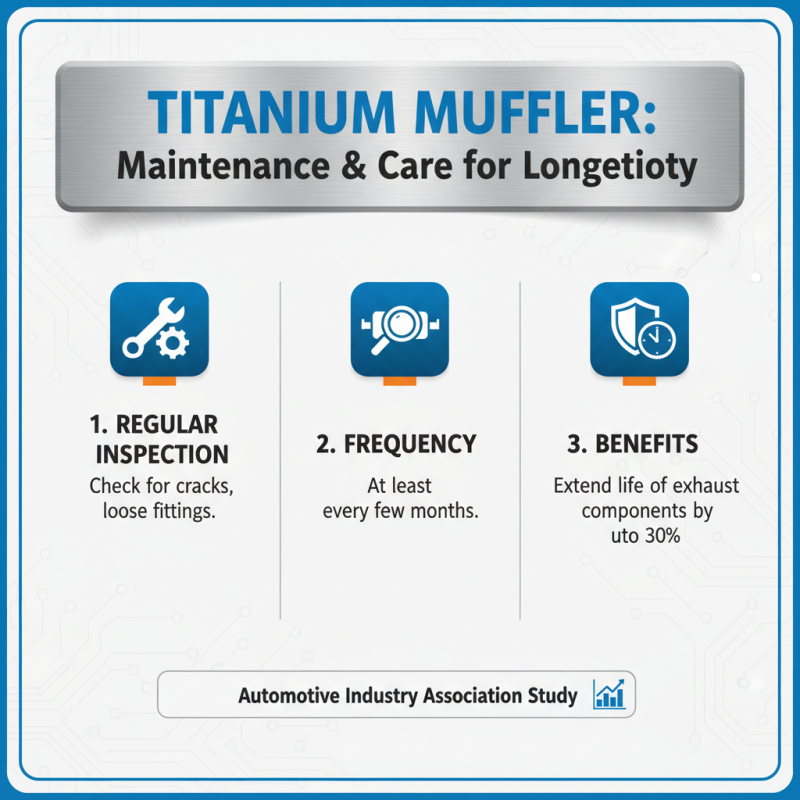
Maintaining a titanium muffler is crucial for its longevity and performance. Regular inspection helps identify early signs of wear or damage. Experts recommend checking for rust, cracks, or loose fittings at least once every few months. A study by the Automotive Industry Association indicates that timely maintenance can extend the life of exhaust components by up to 30%.
Cleaning is another essential aspect of care. Using a stainless-steel brush can help remove buildup. However, be cautious not to scratch the titanium surface. Frequent exposure to extreme temperatures can impact muffler performance, so monitoring temperature readings is vital. In some cases, the muffler can experience fatigue if subjected to harsh conditions without proper care.
Storage is often overlooked. Keeping the vehicle in a garage protects the muffler from environmental elements. If the vehicle is left outside, consider using a high-quality cover. Regular upkeep is necessary, but many overlook the importance of proper storage. Addressing these factors can significantly enhance the performance and lifespan of your titanium muffler.
 +86 17870576410