Looking for Something that’s not listed on our site?
Contact us and we can make it happen!

Leave Your Message

How to Choose the Right Exhaust Pipes for Your Vehicle?

Choosing the right exhaust pipes for your vehicle can feel overwhelming. With numerous options available, making a decision requires careful consideration. Exhaust pipes play a crucial role in both performance and sound. They help direct exhaust fumes away from the engine, reducing back pressure and improving efficiency.

One key aspect to ponder is the material. Stainless steel is durable and resistant to rust. However, mild steel is cheaper and easier to work with. Understanding these differences is vital in selecting the right exhaust pipes. Another factor to consider is the type of system. Did you know that single and dual exhaust setups can significantly alter your vehicle's sound and performance?

Don't overlook the importance of proper sizing. Too small can restrict airflow, while too large may not provide the desired back pressure. These details matter. As you reflect on these choices, think about how they align with your vehicle goals. Each decision shapes your driving experience. Is the sound you desire worth the cost? The exploration of exhaust pipes is not just a technical process; it is a journey that requires thoughtful reflection.
How to Choose the Right Exhaust Pipes for Your Vehicle?

Understanding the Types of Exhaust Pipes Available for Vehicles

How to Choose the Right Exhaust Pipes for Your Vehicle?

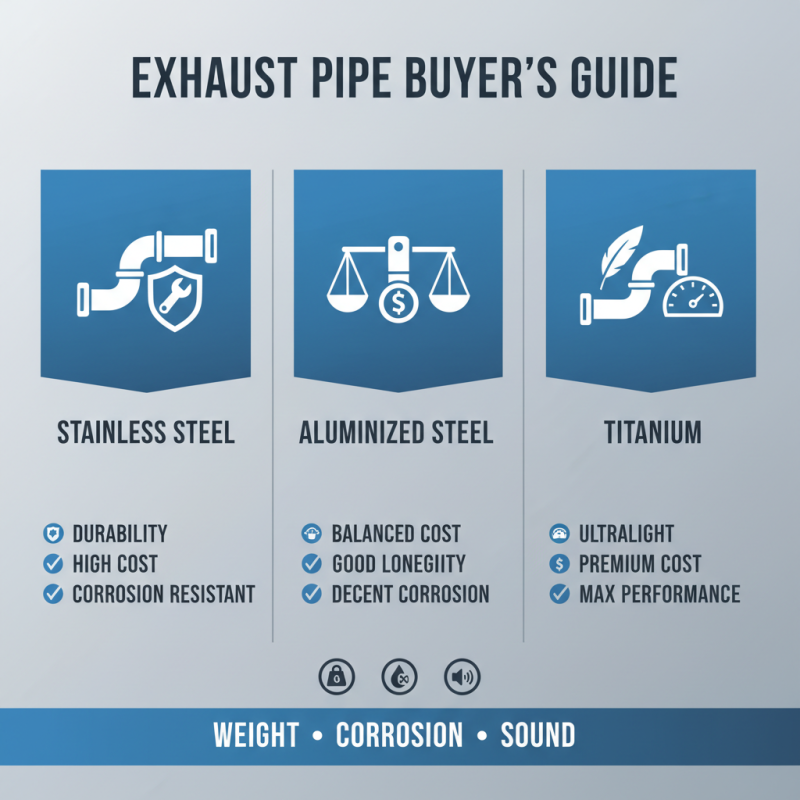
When it comes to choosing exhaust pipes, understanding the types available is crucial. Exhaust pipes can be made from different materials like stainless steel, aluminized steel, and even titanium. Stainless steel is popular for its durability but can be more expensive. Aluminized steel offers a good balance of cost and longevity. Each type affects weight, corrosion resistance, and sound.

A report from the Automotive Research Institute notes that about 35% of vehicle owners prioritize sound quality when selecting exhaust systems. This is where pipe diameter plays a role. Larger pipes can enhance performance and give a deeper growl, but they may not suit every vehicle. Distinguishing between single and dual exhaust systems is also vital. Dual setups often provide better performance but can complicate installation.

Additionally, ensuring proper fitment is key. Misalignment leads to leaks and can impact engine performance. Research shows that improperly installed exhaust systems can decrease fuel efficiency by up to 10%. Many enthusiasts overlook pipe bends and connectors during selection. These details may seem trivial but can have a significant impact on overall performance. Finding the right balance between sound, performance, and durability is a thoughtful process.


Factors to Consider When Selecting Exhaust Pipes for Your Vehicle

When choosing exhaust pipes for your vehicle, several factors come into play. Material choice is crucial. Stainless steel is durable but can cost more. Mild steel is cheaper but may rust quickly. Consider your budget and how often you drive.

Diameter matters too. A larger diameter can improve performance. However, a very large pipe may not suit all vehicles. It could lead to reduced backpressure, impacting engine efficiency. Aim for a balance that helps your vehicle's performance without overdoing it.

Tips: Always consult with a professional if unsure. They can guide you based on your car’s specifications. Research local regulations related to exhaust systems. Some areas have strict noise and emission laws.

Lastly, remember your vehicle's purpose. Is it for daily driving or racing? This decision affects the type of exhaust pipe you should select. Take your time and review options carefully. Mistakes can be costly. Don’t rush the process.

Material Choices for Exhaust Pipes: Pros and Cons

When selecting exhaust pipes, material choice plays a pivotal role. Stainless steel and aluminized steel are two common options. According to industry reports, stainless steel is preferred for its durability and resistance to corrosion. This metal can withstand harsh environments. It can last up to 20 years with proper maintenance. However, it is generally more expensive.

On the other hand, aluminized steel offers a more budget-friendly choice. It is coated with aluminum, providing some protection against rust. Yet, it may only last around 5 to 7 years. The trade-off adds to maintenance costs over time. Some consumers may overlook this aspect when making their choice.

Furthermore, titanium is gaining traction in performance circles. It is notably lightweight and highly durable. However, its price point may deter many. Reports show titanium can reduce overall weight by nearly 50%. This factor can enhance performance metrics. But the upfront investment is significant. Balancing cost and longevity is crucial for buyers.

How to Choose the Right Exhaust Pipes for Your Vehicle? - Material Choices for Exhaust Pipes: Pros and Cons

Material Pros Cons Ideal Use
Stainless Steel Corrosion resistant, durable, good appearance, withstands high temperatures More expensive, can be heavy Performance vehicles, daily drivers
Aluminized Steel Cost-effective, provides decent corrosion resistance Less durable than stainless steel, can corrode over time Budget-friendly applications, non-performance vehicles
Mild Steel Inexpensive, easy to weld and fabricate Prone to rust and corrosion, shorter lifespan Temporary solutions, racing applications
Titanium Lightweight, very strong, excellent temperature resistance High cost, can be brittle under certain conditions High-performance racing and exotic vehicles

Assessing Compatibility with Your Vehicle's Make and Model

When choosing exhaust pipes, compatibility with your vehicle's make and model is crucial. Each car has unique requirements for exhaust systems. An exhaust pipe not designed for your vehicle may not fit properly. This can lead to various issues, such as leaks or decreased performance. Each vehicle type may require specific diameters and bends. Make sure to check vehicle specifications before purchasing.

Consider consulting with a professional to assess compatibility. Some vehicle models may have aftermarket options available. Others may not. Researching your specific model can save time and money. Inevitably, some exhaust pipes might require modifications for optimal fit. This can add extra cost and complexity, so weigh the options carefully.

Don’t hesitate to reach out to fellow car enthusiasts. Their experiences can offer valuable insights into the best choices. Compatibility is not always straightforward. What fits one model might not suit another. Take time to understand your requirements. A well-chosen exhaust pipe can have a significant impact on performance and sound. Make sure to consider all factors before making a decision.

Exhaust Pipe Material Durability Comparison

This chart compares the durability of different exhaust pipe materials commonly used in vehicles. Stainless steel offers the longest lifespan, while mild steel has a much shorter durability. Titanium, although more expensive, provides excellent longevity.

Installation Options: Professional vs. DIY Exhaust Pipe Fitting

How to Choose the Right Exhaust Pipes for Your Vehicle?

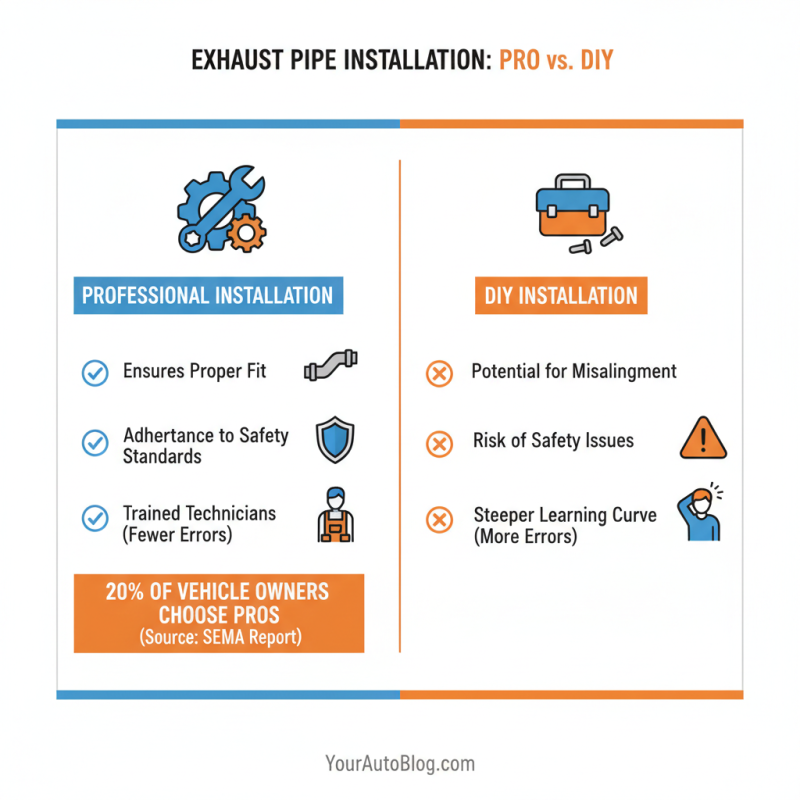
When it comes to exhaust pipe installation, choosing between professional help and DIY can feel daunting. According to a report from the Specialty Equipment Market Association (SEMA), about 20% of vehicle owners opt for professional installation. This choice often ensures a proper fit and adherence to safety standards. Professionals are trained to handle specific tools and techniques, which can minimize errors. They can also identify potential issues that an untrained eye might miss.

On the other hand, DIY enthusiasts often enjoy the challenge of installation. A study by the Automotive Aftermarket Industry Association (AAIA) found that nearly 30% of vehicle owners prefer to perform their own installations. This can save money and provide a sense of achievement. However, without the right knowledge, errors can occur. Misalignment can cause leaks, and improper fittings may reduce vehicle performance. Many DIYers overlook the importance of precise measurements and high-quality materials.

Both options have their merits, but they also come with risks. A professional installation guarantees reliability. DIY may come with a steeper learning curve. Every car and situation is unique. Choose wisely, considering both skill level and long-term goals.