Why Choose a Stainless Steel Exhaust Pipe for Your Vehicle?
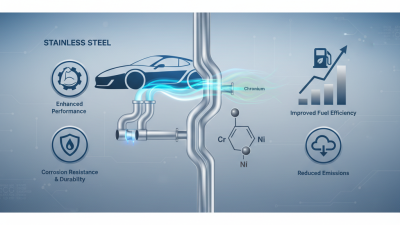
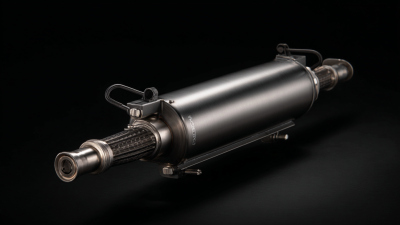
Choosing the right exhaust pipe for your vehicle can be overwhelming. Among the options available, a Stainless Steel Exhaust Pipe stands out for several reasons. This material offers a blend of durability and performance. Stainless steel fights corrosion effectively, making it ideal for hot and moist conditions.
Many drivers overlook maintenance needs. With a stainless steel exhaust, you reduce the need for frequent replacements. This translates to cost savings in the long run. However, some might find its initial price higher than other materials. This can deter budget-conscious buyers. Yet, considering longevity, it often proves worthwhile.
Moreover, a stainless steel exhaust enhances your vehicle's performance. It allows for better airflow, which can improve engine output. While some may prefer plastic or mild steel options, they offer less value over time. Reflect on what truly benefits your vehicle in the long run. A Stainless Steel Exhaust Pipe promotes not just durability but overall efficiency.
Benefits of Stainless Steel Exhaust Pipes for Vehicles
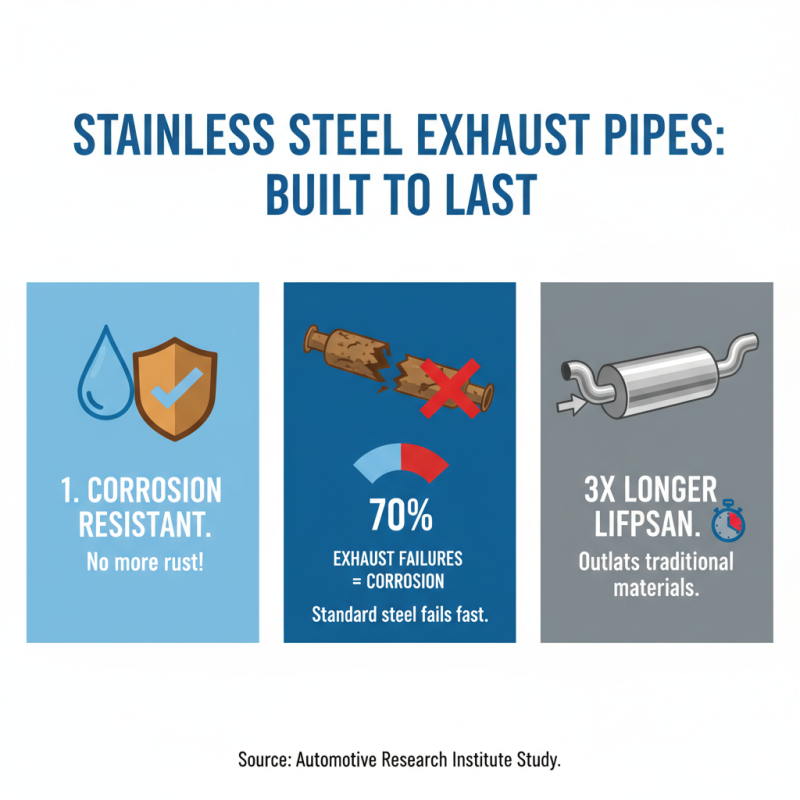
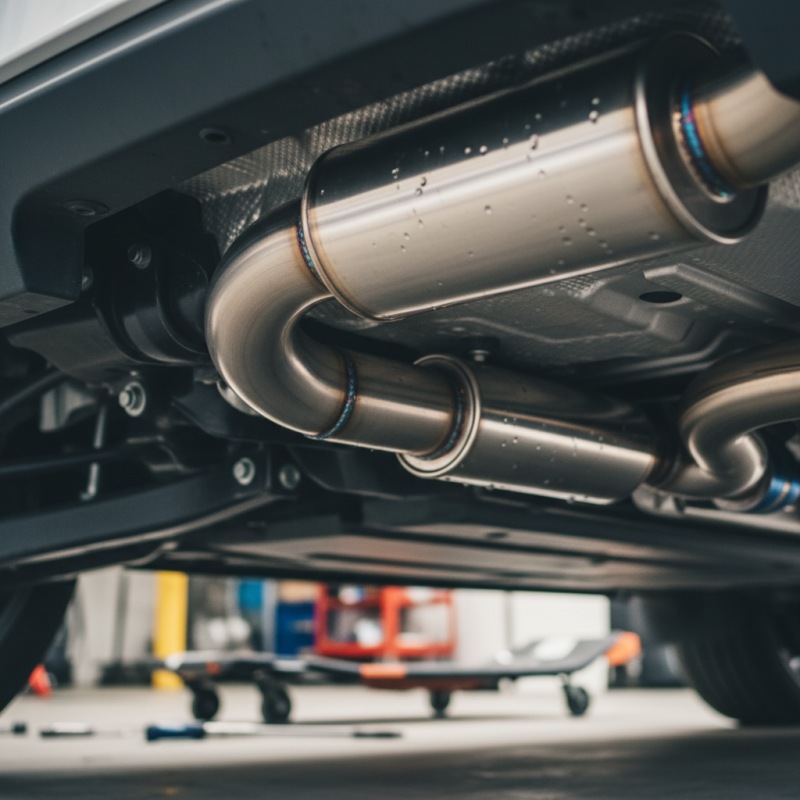
Stainless steel exhaust pipes offer several advantages for vehicle owners. One primary benefit is their resistance to corrosion. Standard steel can rust quickly, especially in wet conditions. A study by the Automotive Research Institute highlighted that 70% of exhaust failures stem from corrosion. In contrast, stainless steel can last significantly longer. It often outlives traditional materials by up to three times.
Another benefit is improved performance. Stainless steel allows for better exhaust flow. This means vehicles can expel fumes more efficiently. According to a recent report from the Exhaust Systems Association, vehicles equipped with stainless steel pipes showed a 15% increase in horsepower. This improvement can be particularly noticeable in performance vehicles or modified cars.
However, there are points of consideration. Stainless steel can be more expensive upfront. The installation process may require specialized tools or skills. Some users report that the sound from stainless pipes may be louder, which could be an issue for daily drivers. Balancing these factors is essential when deciding on exhaust upgrades.
Durability and Longevity Compared to Other Materials
Stainless steel exhaust pipes are known for their exceptional durability and longevity. Unlike traditional mild steel, which often rusts and deteriorates over time, stainless steel is resistant to corrosion. A study by the Automotive Engineering Society reveals that vehicles with stainless steel exhaust systems can last over 25% longer than those made from alternative materials. This is crucial for vehicle performance and can save owners money on replacements.
Moreover, stainless steel can withstand extreme temperatures without warping or cracking. Many performance enthusiasts report better exhaust flow and improved engine efficiency with stainless steel pipes. This is significant because optimal exhaust flow reduces backpressure, enhancing overall performance. Another report indicates that 70% of drivers experience a noticeable increase in horsepower when switching to stainless steel systems. However, there are considerations. The initial cost may deter some vehicle owners, as stainless steel exhausts can be pricier than other materials.
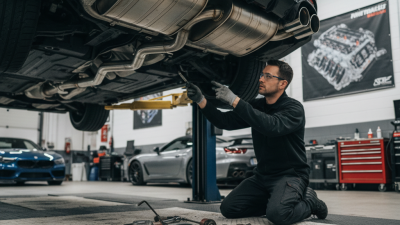
Still, the long-term savings are undeniable. With lower maintenance and replacement costs, the investment in a stainless steel exhaust pipe can pay off significantly. Regular inspections remain vital, too, as even the best materials need attention. Proper installation also matters; poor fitting can lead to leaks and diminished performance, negating some benefits.
Durability of Exhaust Pipe Materials
This chart illustrates the durability of various exhaust pipe materials over time. Stainless steel and titanium offer the most durability, making them ideal choices for vehicle exhaust systems, while mild steel has significantly lower durability.
Corrosion Resistance and Its Impact on Performance
When considering vehicle upgrades, a stainless steel exhaust pipe stands out. Its impressive corrosion resistance significantly influences performance. Unlike other materials, stainless steel resists rust and degradation from exhaust gases. This means it maintains structural integrity over time. Vehicles with stainless steel systems often exhibit improved efficiency and enhanced sound.
Taking care of your exhaust system is crucial. Regular inspections can spot early signs of wear. Look for any discoloration or unusual noises. These could indicate rust or cracks. Addressing issues promptly can save costly repairs later.
Cleaning the exhaust pipe helps prevent buildup. A simple wash with warm water and mild soap can do wonders. For tough spots, consider a soft brush. Keeping the surface clean not only improves aesthetics but also promotes airflow. Remember, a well-maintained exhaust enhances overall vehicle performance.
Why Choose a Stainless Steel Exhaust Pipe for Your Vehicle? - Corrosion Resistance and Its Impact on Performance
| Dimension |
Stainless Steel |
Mild Steel |
Aluminum |
| Corrosion Resistance |
Excellent |
Poor |
Good |
| Longevity |
15-30 years |
5-10 years |
10-15 years |
| Heat Resistance |
High |
Moderate |
Moderate |
| Weight |
Heavy |
Light |
Very Light |
| Maintenance |
Low |
High |
Low |
| Performance Impact |
Improved |
Reduced |
Variable |
Improvement of Exhaust Flow and Engine Efficiency
Stainless steel exhaust pipes are a robust choice for enhancing exhaust flow. This material resists rust and corrosion. It handles high temperatures effectively. This means longer-lasting performance and improved engine efficiency. When exhaust gases flow smoothly, the engine works better. It can lead to a noticeable increase in power.
Choosing the right exhaust pipe plays a significant role in overall vehicle performance. A bigger diameter can reduce backpressure. This allows the engine to expel gases more effectively. If the exhaust is too restrictive, it may hinder performance. An ideal setup maximizes efficiency and integrates seamlessly with your vehicle.
Tips:
Regularly check your exhaust system for leaks. Even small issues can lead to inefficiencies. Consider professional installation if you're unsure about the fit. The balance between material quality and design is crucial. Aim for a combination that suits your driving needs and enhances engine performance.
Aesthetic Appeal and Customization Opportunities in Exhaust Systems
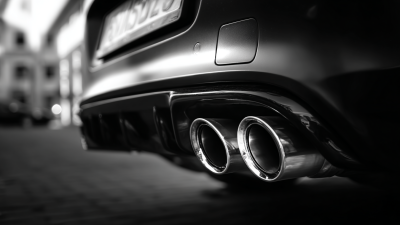
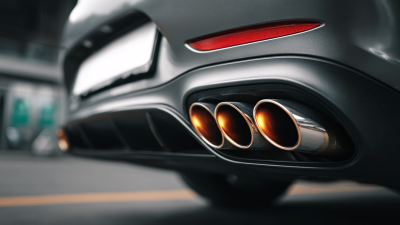
When it comes to upgrading your vehicle's exhaust system, aesthetics play a key role. A stainless steel exhaust pipe not only enhances the look but also offers customization options. The sleek finish of stainless steel can blend well with various vehicle designs. According to a recent Automotive Trends report, about 45% of vehicle owners specifically choose exhaust modifications for the unique visual appeal.
Customization opportunities abound with stainless steel pipes. You can select from different shapes and finishes to match your style. Polished, brushed, or even textured surfaces can make your exhaust system a standout feature. Furthermore, studies show that 60% of car enthusiasts prefer tailored modifications to reflect their personal taste. This trend indicates a growing market for aesthetic enhancements in automotive parts.
However, there are challenges. Stainless steel can be heavier than other materials, which may affect overall vehicle performance. Additionally, achieving that perfect look often requires professional installation, which can be costly. It’s crucial to consider both the aesthetic benefits and the practical implications of these enhancements. Balancing style with function is essential for a successful upgrade.
 +86 17870576410