How to Choose the Best Stainless Steel Exhaust Pipe for Your Vehicle?
When choosing the best stainless steel exhaust pipe for your vehicle, it's essential to consider several factors. Renowned automotive expert, John Smith, emphasizes, "The right exhaust pipe can enhance performance and durability." Stainless Steel Exhaust Pipes offer superior resistance to corrosion and heat, making them a preferred choice for many vehicle enthusiasts.
Quality matters significantly in exhaust systems. Different grades of stainless steel can impact the pipe's longevity and efficiency. For instance, 304-grade stainless steel is known for its excellent resistance to oxidation, leading to prolonged lifespan. However, some might overlook the importance of proper fitting and compatibility with their specific vehicle model.
Moreover, buyers sometimes make hasty decisions based on price rather than quality and performance. It's crucial to weigh the options carefully and invest in a well-reviewed product. A poorly chosen exhaust pipe can lead to suboptimal vehicle performance, even if it seems like a good deal initially. Rethinking these choices can make a significant difference in both performance and enjoyment of your vehicle.
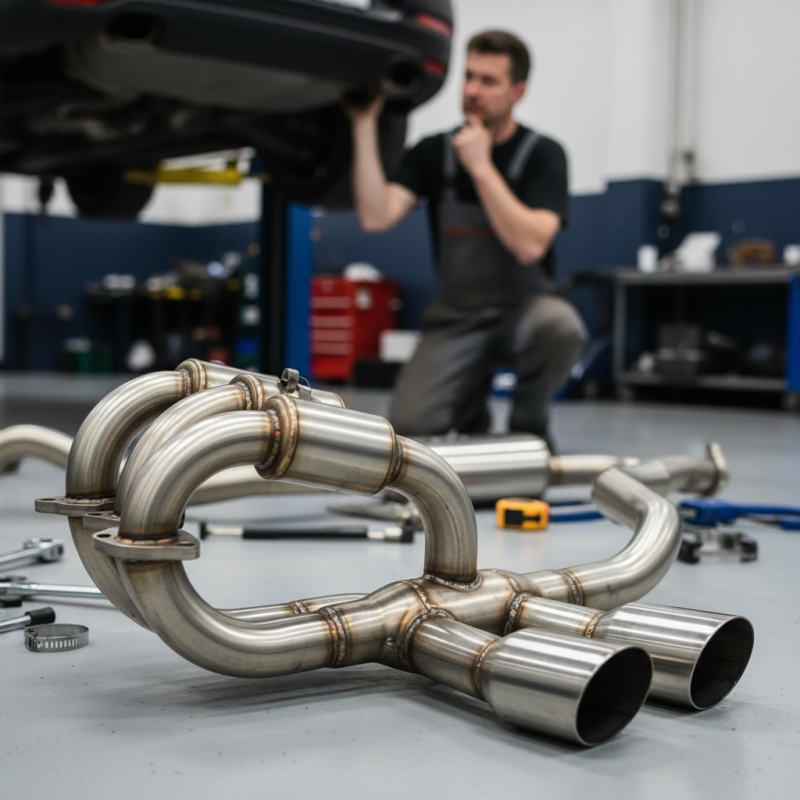
Understanding the Benefits of Stainless Steel Exhaust Pipes
Stainless steel exhaust pipes offer numerous benefits for vehicle owners. One of the most significant advantages is their resistance to corrosion. Unlike standard steel, stainless steel can withstand harsh weather conditions and road salts. This durability ensures a longer lifespan, making it a wise investment.
Another essential benefit is performance improvement. Stainless steel allows for better exhaust flow, resulting in enhanced engine efficiency. Drivers often notice a boost in horsepower. Additionally, the material can minimize the weight of the exhaust system, improving overall vehicle handling.
However, not all stainless steel options are created equal. Different grades come with varying amounts of nickel and chromium, affecting durability and performance. It's crucial to research these elements closely. Assessing your specific driving conditions can help in making the right choice. Evaluating the balance between cost and quality is equally important. Vehicle owners should be aware that premium materials may come with higher upfront costs. Taking these factors into account can lead to better decision-making for exhaust system upgrades.
Comparison of Stainless Steel Exhaust Pipe Benefits
Identifying Your Vehicle's Exhaust Specifications
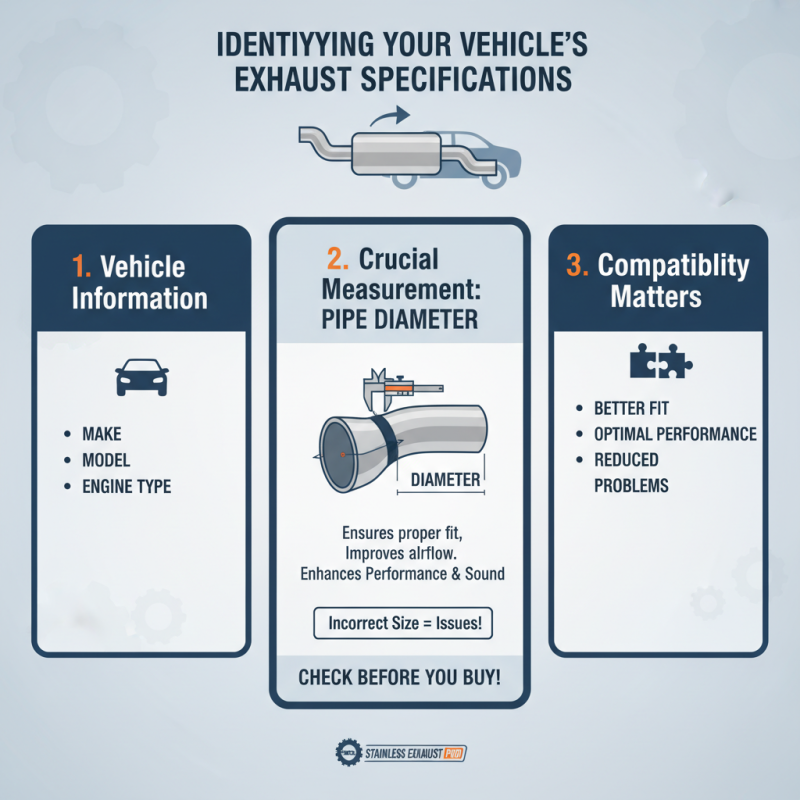
When selecting a stainless steel exhaust pipe for your vehicle, identifying its exhaust specifications is crucial. Knowing your vehicle’s make, model, and engine type ensures better compatibility. Start by checking the pipe diameter. A proper fit improves airflow, enhancing performance and sound. If the diameter is too large or too small, you might face issues.
Next, examine the exhaust layout. Some vehicles have unique routing patterns that affect the installation. Understanding these specifics prevents misalignment and potential damage. Pay attention to the type of connection too. Flanged or slip-fit connections serve different purposes and affect the ease of installation.
Take the time to research materials. While stainless steel is durable, not all stainless is equal. Consider factors like gauge thickness and corrosion resistance. This choice impacts longevity and performance under various conditions. Reflect on the installation process as well. A professional install may be more reliable, especially if you lack experience. It’s important to weigh these factors to make an informed choice.
Evaluating Different Grades of Stainless Steel Materials
When selecting a stainless steel exhaust pipe, understanding material grades is crucial. The two most common grades are 304 and 409 stainless steel. According to a report by the International Stainless Steel Forum, grade 304 is often preferred for its excellent corrosion resistance and durability. However, it is also more expensive. Some vehicles may benefit from grade 409, which offers a lower cost but has less resistance to rust.
The choice of grade also impacts performance. A study from the Society of Automotive Engineers points out that exhaust systems made from 304 stainless steel can handle high temperatures better. This can lead to enhanced vehicle performance. On the other hand, while 409 can be suitable for less demanding applications, its lower resistance may result in a shorter lifespan under harsh conditions.
Many consumers overlook the importance of proper installation. Poor fitting can lead to leaks, regardless of the exhaust pipe material. Additionally, real-world testing shows that even high-grade pipes can fail prematurely if they are exposed to harsh chemicals without proper protective coatings. It’s essential to evaluate both material quality and installation methods for optimal results.
Comparing Exhaust Pipe Designs: Mandrel-Bent vs. Crush-Bent
When selecting a stainless steel exhaust pipe, understanding design differences is crucial. Mandrel-bent pipes maintain a consistent diameter throughout. This feature ensures smooth airflow, leading to improved performance. You'll notice better acceleration and sound quality. The bends do not restrict exhaust flow. This design can enhance engine efficiency.
In contrast, crush-bent pipes are cheaper but come with drawbacks. Their bends reduce the pipe's diameter. This compression creates bottlenecks. It can negatively affect performance over time. Many car enthusiasts prefer the smoother path of mandrel bends. Still, crush bends may suffice for daily drivers. They often fit fine with stock setups but might limit upgrades.
Evaluating your vehicle’s needs is vital. Mandrel bends are an investment in performance. On the other hand, crush bends can work for budget-conscious drivers. Make informed decisions based on your priorities. Understanding these differences empowers better choices.
How to Choose the Best Stainless Steel Exhaust Pipe for Your Vehicle? - Comparing Exhaust Pipe Designs: Mandrel-Bent vs. Crush-Bent
| Feature |
Mandrel-Bent |
Crush-Bent |
| Design Method |
Smooth curves |
Bent using force |
| Flow Efficiency |
Higher flow efficiency |
Lower flow efficiency |
| Material Strength |
Better strength due to structure |
Reduced strength in bends |
| Cost |
Generally higher |
Generally lower |
| Installation Complexity |
Moderately complex |
Usually simpler |
| Durability |
Higher durability |
Lower durability |
Determining Installation Needs: DIY vs. Professional Help
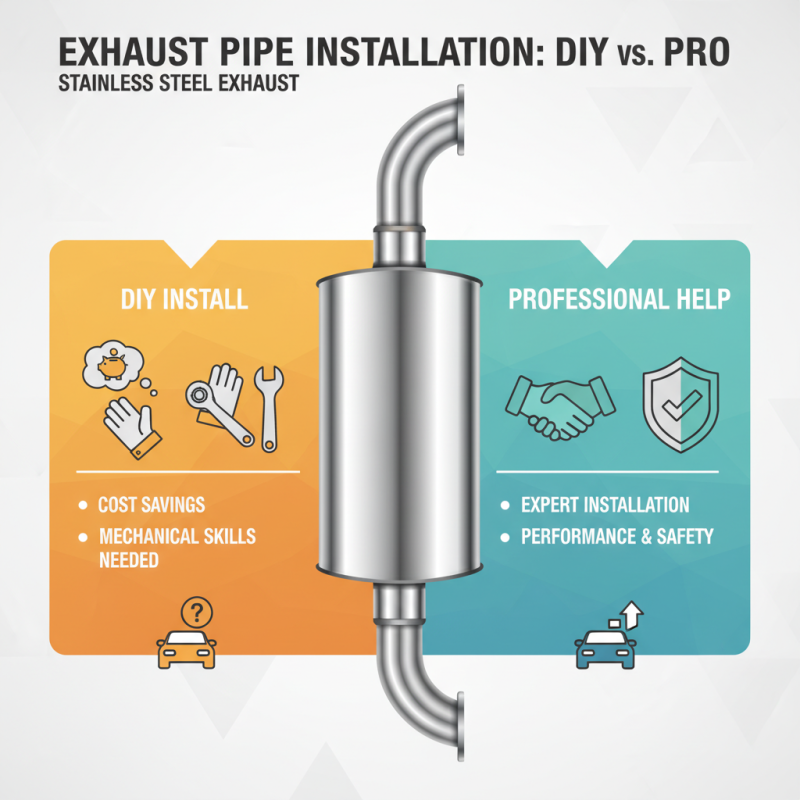
When considering a stainless steel exhaust pipe, the installation approach is crucial. Some drivers prefer a DIY method. This choice can save money. However, it requires mechanical skills and the right tools. Missteps in DIY can lead to poor performance or even damage. Consider your comfort level with tools and mechanical concepts.
On the other hand, professional installation comes with reliability. Experienced mechanics understand nuances in exhaust systems. They ensure everything fits perfectly. This option often has a higher cost, but the peace of mind is valuable. You avoid potential pitfalls of a DIY attempt. If you choose professional help, check their credentials. Look for reviews and past work.
Ultimately, weigh your skills against the complexity of the job. Sometimes, you might feel a bit overconfident in your DIY capabilities. That’s okay, but remember, safety and performance matter. Taking the time to choose wisely can lead to better long-term results for your vehicle.
 +86 17870576410