How to Choose the Right Titanium Alloy Exhaust for Your Vehicle
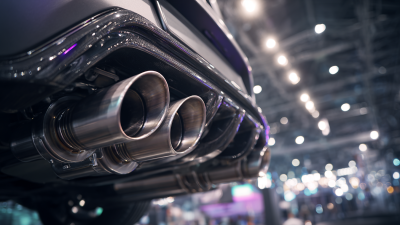
Choosing the right Titanium Alloy Exhaust for your vehicle can significantly enhance performance and durability while also providing distinct aesthetic appeal. Renowned industry expert Dr. Emily Hart, a specialist in automotive materials, once stated, "The right titanium alloy not only increases strength and reduces weight but also enhances the exhaust sound, delivering an unmatched driving experience." This highlights the importance of selecting an appropriate titanium alloy when considering an upgrade to your vehicle's exhaust system.
The growing popularity of Titanium Alloy Exhausts stems from their superior properties compared to traditional materials. They offer exceptional corrosion resistance, allowing them to withstand the harsh conditions often faced by automotive components. Moreover, the lightweight nature of titanium alloys contributes to improved fuel efficiency and handling. However, with a multitude of options available in the market, it becomes crucial for vehicle owners to understand the specific requirements of their engines and driving styles when making this decision.
In this guide, we will explore the essential factors one must consider when choosing a Titanium Alloy Exhaust, including material specifications, design considerations, and compatibility with various vehicle models. By doing so, you can ensure that your exhaust system not only meets your performance goals but also aligns with your personal preferences, ultimately transforming your driving experience.

Understanding Titanium Alloys and Their Properties
When selecting the right titanium alloy exhaust for your vehicle, it is essential to have a solid understanding of titanium alloys and their unique properties. Titanium is renowned for its remarkable strength-to-weight ratio, offering durability without the added weight of traditional steel exhausts. This characteristic makes titanium alloys an ideal choice for performance-oriented vehicles, as they help to enhance speed and efficiency by minimizing excess weight.
Different titanium alloys exhibit varying properties such as corrosion resistance, heat tolerance, and weldability. For instance, commercially pure titanium is highly resistant to oxidation, making it suitable for high-temperature applications typically found in exhaust systems. On the other hand, titanium alloys with aluminum or vanadium components can further bolster strength and hardness, which is crucial for withstanding the stresses of high-performance driving. Understanding these properties allows vehicle owners to select an exhaust system that not only fits their performance needs but also aligns with their driving style and environmental conditions.
Benefits of Upgrading to a Titanium Alloy Exhaust System
Upgrading to a titanium alloy exhaust system offers several significant benefits that can enhance your vehicle's performance and efficiency. One of the primary advantages of titanium is its remarkable strength-to-weight ratio. Unlike traditional steel exhausts, titanium exhausts are much lighter, which can reduce the overall weight of your vehicle. This weight reduction translates into better acceleration and handling, as well as improved fuel efficiency. For performance enthusiasts, this means faster lap times and a more responsive ride.
In addition to weight savings, titanium exhaust systems are renowned for their durability and corrosion resistance. Unlike stainless steel or mild steel, titanium is highly resistant to rust and can withstand extreme temperatures without degrading. This resilience not only extends the lifespan of the exhaust system but also maintains its aesthetic appeal over time.
Furthermore, a titanium alloy exhaust can significantly alter the sound profile of your vehicle, often producing a deeper and more aggressive tone that many enthusiasts find appealing. This auditory enhancement, combined with the performance improvements, makes upgrading to a titanium alloy exhaust an attractive option for anyone looking to optimize their vehicle's capabilities.
Key Factors to Consider When Choosing a Titanium Exhaust
When choosing a titanium alloy exhaust for your vehicle, there are several key factors to consider to ensure you make the right decision. First and foremost, you need to evaluate the compatibility of the exhaust system with your vehicle model. This entails checking the size, design, and mounting points of the exhaust to ensure a perfect fit. Improper sizing can lead to performance issues and potential damage to your vehicle.
Next, consider the specific properties of different titanium alloys. Titanium is known for its high strength-to-weight ratio and corrosion resistance, but not all titanium alloys are created equal. Look for alloys that offer the best balance of durability and lightweight characteristics for your driving needs. Additionally, think about the sound profile produced by the exhaust; titanium systems can offer a distinctive sound that varies based on the alloy and construction. Finally, be mindful of your budget, as titanium exhaust systems tend to be more expensive than traditional materials. Evaluate your long-term goals for performance and aesthetics to help determine if the investment aligns with your needs.
Comparing Different Titanium Alloys for Performance and Durability
When selecting the right titanium alloy exhaust for your vehicle, it is essential to understand the various types of titanium alloys available and how they impact performance and durability. The most common titanium alloy used in exhaust systems is Ti-6Al-4V, known for its excellent strength-to-weight ratio and corrosion resistance. This alloy performs well under high temperatures, making it suitable for high-performance applications. Its lightweight nature enhances vehicle handling and fuel efficiency, making it a popular choice among automotive enthusiasts.
Another notable alloy is Ti-3Al-2.5V, which offers exceptional toughness and fatigue resistance. This makes it particularly beneficial for systems that experience significant vibration and thermal cycling. Though slightly less common than Ti-6Al-4V in exhaust applications, Ti-3Al-2.5V is favored in environments where durability is paramount. Additionally, some manufacturers may utilize a blend of different titanium alloys, optimizing the performance traits needed for various driving conditions. Understanding the specific characteristics and advantages of these alloys will enable you to make an informed decision, maximizing both the performance and lifespan of your exhaust system.
How to Choose the Right Titanium Alloy Exhaust for Your Vehicle - Comparing Different Titanium Alloys for Performance and Durability
| Titanium Alloy |
Tensile Strength (MPa) |
Weight (kg/m) |
Corrosion Resistance |
Temperature Resistance (°C) |
| Ti-6Al-4V |
970 |
4.43 |
Excellent |
600 |
| Ti-5Al-2.5Sn |
830 |
4.24 |
Good |
550 |
| Ti-6Al-2Sn-4Zr-2Mo |
900 |
4.55 |
Very Good |
620 |
| Ti-3Al-2.5V |
860 |
4.11 |
Good |
510 |
| Ti-7Al |
840 |
4.00 |
Very Good |
480 |
Installation and Maintenance Tips for Titanium Alloy Exhaust Systems
When installing a titanium alloy exhaust system, proper preparation and care are essential for optimal performance and longevity. Start by gathering all necessary tools and components before beginning the installation process. It’s crucial to lift the vehicle safely using jack stands, ensuring easy access to the exhaust area. When removing the old exhaust, be careful not to damage surrounding parts, especially if they are made of sensitive materials. A clean workspace will help prevent dirt and grime from entering the system during installation.
Maintenance of titanium alloy exhausts is relatively low compared to traditional systems, but it still requires attention. Regularly inspect the exhaust for any signs of corrosion, cracks, or loose fittings. Use a soft brush or cloth to clean the surface and remove any debris that may have accumulated. Tips for maintaining your titanium exhaust include periodically applying a heat-resistant coating to protect against oxidation and checking the hangers and brackets for wear. By staying proactive with maintenance, you ensure your exhaust system remains efficient and enhances your vehicle's performance.
 +86 17870576410