10 Essential Tips for Maintaining Your Stainless Steel Exhaust System
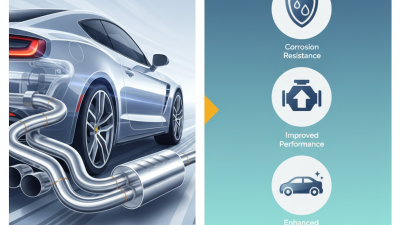
Maintaining a stainless steel exhaust system is crucial for ensuring the longevity and performance of your vehicle. A stainless steel exhaust not only enhances the aesthetic appeal of your car but also contributes to better airflow and efficiency, making it a popular choice among automotive enthusiasts. However, like any other component of your vehicle, it requires regular maintenance to retain its functionality and pristine appearance. In this guide, we will discuss 10 essential tips to help you effectively maintain your stainless steel exhaust system.
From routine checks to proper cleaning methods, these tips are designed to prevent corrosion, minimize wear, and keep your exhaust system operating at its best. Whether you’re a seasoned car owner or a novice enthusiast, understanding how to manage your stainless steel exhaust will empower you to preserve its quality and performance. Let’s delve into the essential practices you can adopt to ensure your exhaust remains in top-notch condition for years to come.
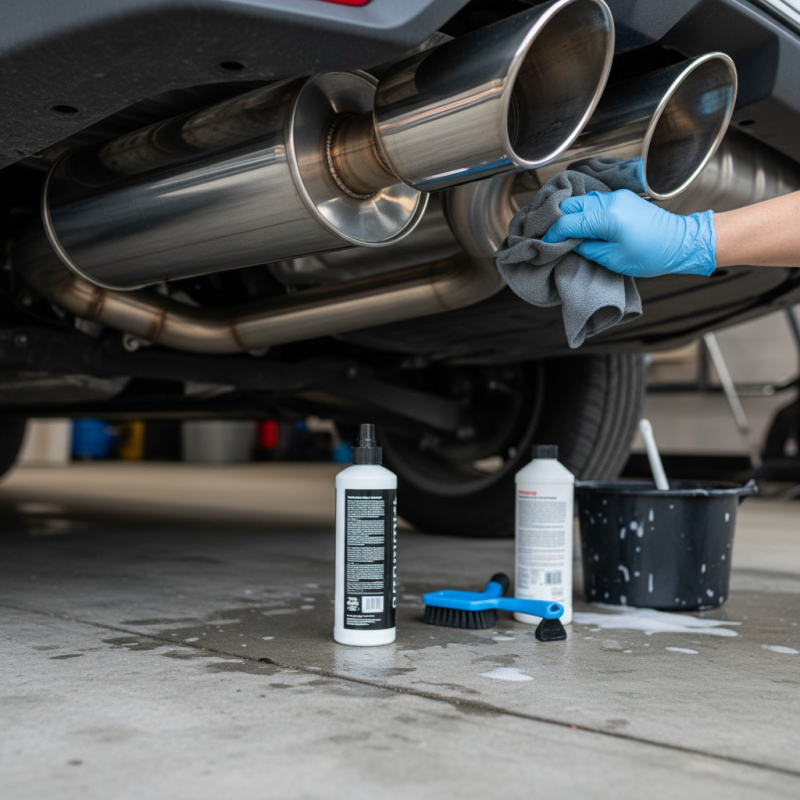
Importance of Regular Inspections for Stainless Steel Exhaust Systems
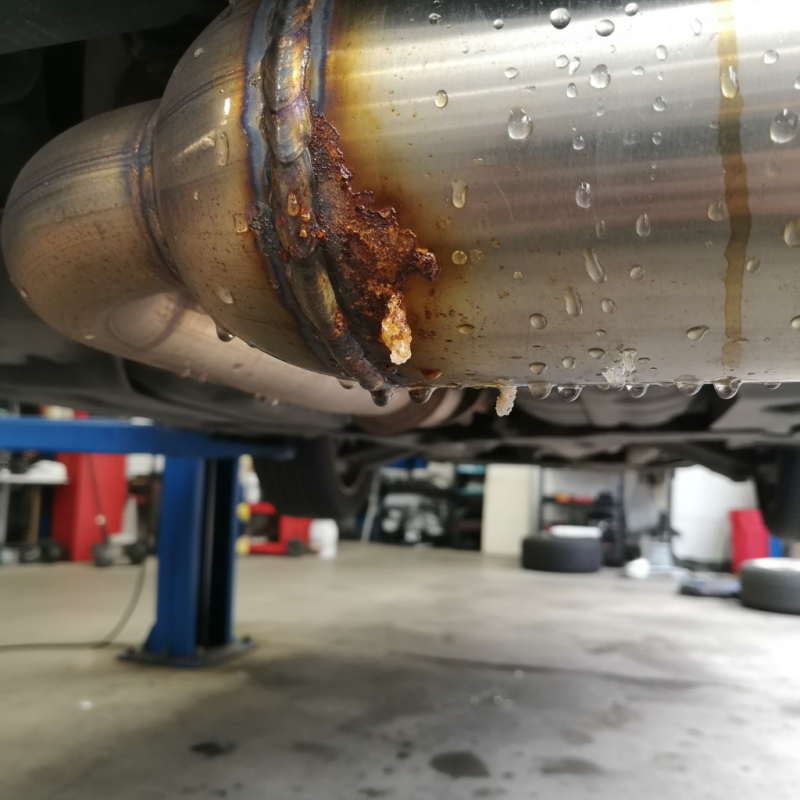
Regular inspections of your stainless steel exhaust system are crucial for ensuring its longevity and optimal performance. Over time, your exhaust system is exposed to various elements such as moisture, heat, and road debris, which can cause wear and tear. Conducting routine inspections allows you to identify potential issues early on, preventing costly repairs and maintaining vehicle efficiency. Look for signs of rust, corrosion, or loose fittings during your checks to address problems before they escalate.
In addition to regular inspections, here are some essential tips to maintain your stainless steel exhaust system effectively. First, keep the exhaust system clean by washing it regularly to remove any dirt or contaminants that may encourage corrosion. Next, consider installing heat shields to protect the exhaust system from excessive heat and potential damage caused by surrounding components. Lastly, ensure proper drainage and ventilation, as stagnant water can lead to rust buildup. By following these tips and maintaining a consistent inspection routine, you can extend the life and performance of your exhaust system significantly.
10 Essential Tips for Maintaining Your Stainless Steel Exhaust System
| Tip No. |
Maintenance Tip |
Frequency |
Importance |
| 1 |
Regular Visual Inspections |
Monthly |
Prevents corrosion and rust |
| 2 |
Clean with Mild Detergent |
Every 3 months |
Removes grime and maintains shine |
| 3 |
Check for Leaks |
Monthly |
Ensures efficiency and performance |
| 4 |
Inspect Mounting Hardware |
Every 6 months |
Prevents system failure |
| 5 |
Remove Protective Coating from Piping |
Annually |
Ensures proper heat dissipation |
| 6 |
Check for Signs of Discoloration |
Every 3 months |
Indicates overheating or damage |
| 7 |
Test Sound Levels |
Quarterly |
Detects leaks or muffler issues |
| 8 |
Inspect for Cracks and Holes |
Every 6 months |
Maintains integrity of the system |
| 9 |
Check Exhaust Tips for Clearance |
Bi-annually |
Prevents contact with other parts |
| 10 |
Seek Professional Inspection |
Annually |
Ensures comprehensive assessment |
Common Corrosion Factors Affecting Stainless Steel Exhaust Systems
Stainless steel exhaust systems are celebrated for their durability and resistance to rust, yet they are not entirely immune to corrosion. Understanding the common factors that can lead to degradation is crucial for maintaining these systems. One of the primary contributors to corrosion is moisture accumulation, which can occur due to condensed water vapor from the exhaust gases. When this moisture interacts with road salts or other contaminants, it can create a corrosive environment that accelerates the deterioration of the stainless steel.
Another significant factor affecting the longevity of stainless steel exhaust systems is exposure to heat. High temperatures can lead to thermal fatigue and weaken the metal over time. Additionally, areas where exhaust systems are prone to direct contact with road debris or harsh weather conditions can be more vulnerable to corrosion. Regular inspections and prompt addressing of any chips or scratches in the protective layer are vital to preventing corrosion from taking hold. By being aware of these common corrosion factors, enthusiasts can take proactive steps to extend the life of their stainless steel exhaust systems.
Best Practices for Cleaning and Maintaining Your Exhaust System
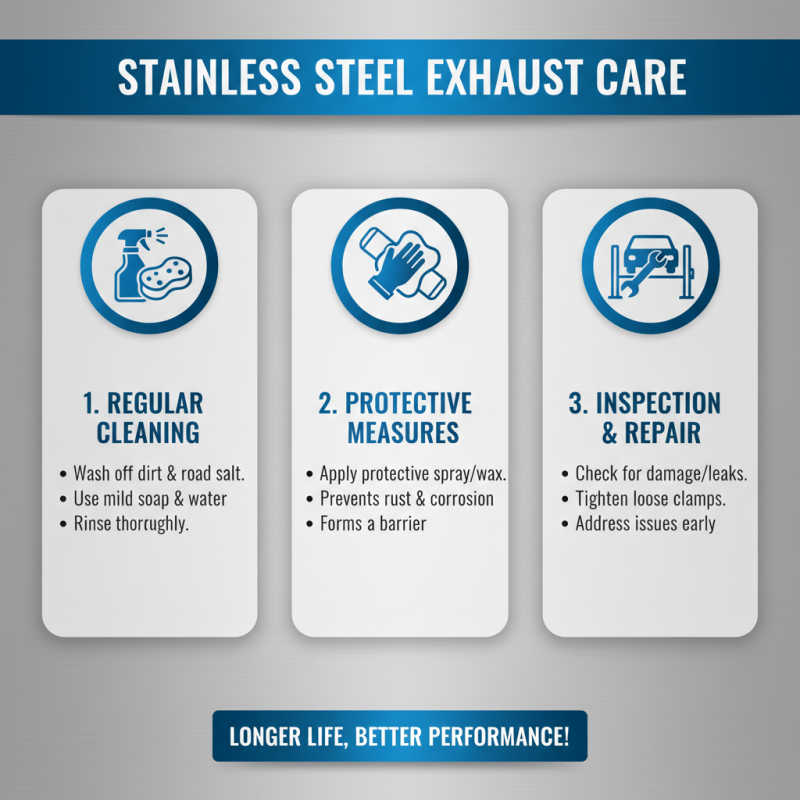
Maintaining a stainless steel exhaust system is crucial for ensuring its longevity and performance. Regular cleaning and maintenance can prevent rust and corrosion, keeping your exhaust system in optimal condition. Here are some best practices to follow.
First and foremost, always start with a thorough clean. Use a gentle cleanser specifically designed for stainless steel to remove grime and pollutants. Avoid abrasive materials, as they can scratch the surface and lead to more significant issues over time. For tough spots, consider using a soft brush to agitate the dirty areas without damaging the material. Regular cleaning, ideally every few months, will help to maintain a polished appearance and functionality.
Additionally, inspect your exhaust system periodically for any signs of wear or damage. Look for cracks, loose connections, or rust spots. If you notice any issues, address them promptly to prevent further deterioration. It's also a good idea to apply a high-temperature protective coating afterward to provide a barrier against heat and corrosion. Lastly, keeping your exhaust system dry when not in use can go a long way in prolonging its life. By incorporating these practices into your routine, you can ensure that your stainless steel exhaust system remains effective and looking its best.
Using High-Quality Products for Enhanced Exhaust Longevity
When it comes to maintaining your stainless steel exhaust system, using
high-quality products is paramount for ensuring its longevity and performance.
Stainless steel is renowned for its resistance to corrosion, but even the best materials can succumb to wear over
time if not cared for properly. Selecting premium exhaust cleaners and sealants
can provide enhanced protection against environmental factors such as road salts, moisture, and harsh weather
conditions. These products are formulated specifically for stainless steel, ensuring that they clean effectively
without causing damage.
Additionally, investing in high-quality components for repairs and
replacements is essential. Cheap substitutes may save you money in the short term, but they can lead to more
significant problems down the line, such as fitment issues or premature deterioration. Using well-crafted clamps,
hangers, and gaskets helps to create a secure and tight exhaust system, minimizing leaks and maximizing efficiency.
Regular inspections and the application of high-quality protective coatings can further extend the life of your
exhaust system, allowing you to enjoy optimal performance without the frequent need for replacements.
Understanding the Role of Temperature in Exhaust System Durability
The temperature of an exhaust system plays a crucial role in its overall durability and effectiveness. As gases exit the engine, they can reach extremely high temperatures, sometimes exceeding 1,500 degrees Fahrenheit. This intense heat can cause thermal stress on the components of the exhaust system, leading to potential cracks, warping, or even complete failure if not properly managed. Understanding the relationship between heat and material performance is essential for ensuring the longevity of stainless steel exhaust systems.
To maintain the integrity of your exhaust system amidst varying temperatures, regular inspections are important. Look for signs of discoloration, which can indicate overheating, and check for any corrosion that might have occurred due to prolonged exposure to high temperatures. Additionally, proper heat shielding and insulation can help to dissipate heat more effectively, reducing localized heating that could compromise the structure. By staying vigilant about temperature-related issues, car owners can significantly extend the lifespan of their stainless steel exhaust systems, ensuring optimal performance and reliability.
 +86 17870576410