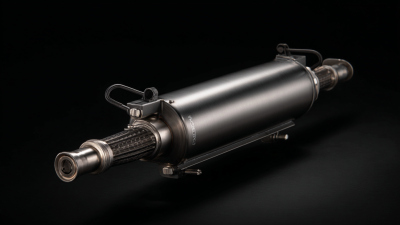
What is an Exhaust Pipe? Understanding Its Importance and Functionality
The exhaust pipe is a critical component of a vehicle's exhaust system, playing a pivotal role in ensuring optimal engine performance and environmental compliance. According to data from the U.S. Environmental Protection Agency (EPA), vehicle emissions significantly contribute to air pollution, making the design and functionality of the exhaust pipe paramount in mitigating harmful pollutants. In fact, modern exhaust systems are engineered to reduce toxic gas emissions by up to 90%, emphasizing the importance of effective exhaust pipe design in achieving stringent environmental standards.
In addition to environmental considerations, the functionality of the exhaust pipe directly impacts engine efficiency and performance. Research by automotive engineering experts highlights that a well-designed exhaust pipe can enhance engine power by improving exhaust flow, thereby reducing backpressure. This relationship between exhaust pipe design and performance underscores the necessity for manufacturers to prioritize innovative exhaust solutions. As the automotive industry pivots towards sustainability, understanding the significance of the exhaust pipe becomes increasingly crucial for both manufacturers and consumers, marking its importance in the ongoing evolution of vehicle technology.
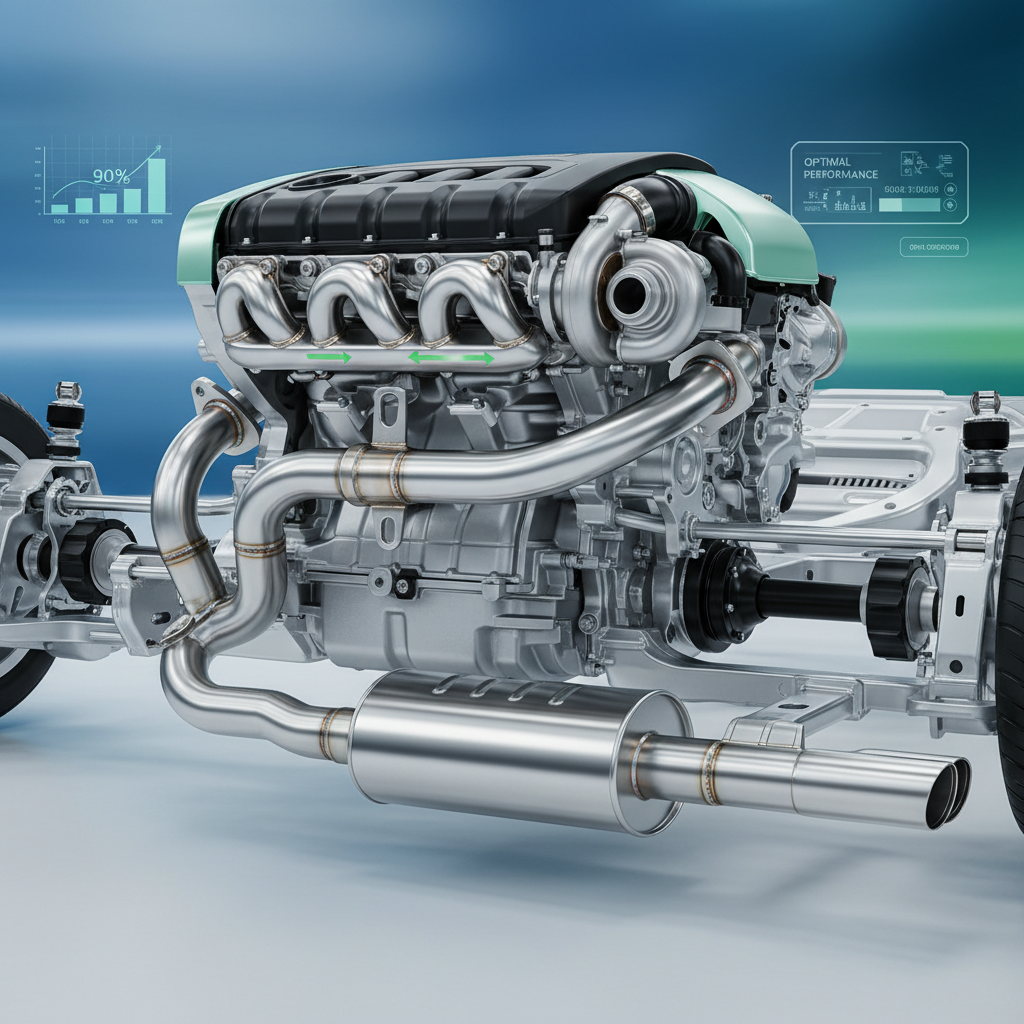
What is an Exhaust Pipe? A Comprehensive Overview
 An exhaust pipe is a critical component of a vehicle's exhaust system, responsible for directing and expelling the gases produced during the combustion process in the engine. It typically extends from the engine manifold to the rear of the vehicle, ensuring that harmful emissions are safely released into the atmosphere away from the vehicle’s occupants. The design and material of exhaust pipes are essential, as they must endure high temperatures and corrosive gases.
Beyond its primary function of gas expulsion, the exhaust pipe significantly influences a vehicle’s performance and efficiency. A properly designed exhaust pipe can enhance engine performance by improving exhaust flow, which may lead to better fuel efficiency and increased power output. Additionally, the exhaust system, including the pipes, plays a vital role in noise reduction, providing a quieter and more pleasant driving experience. Understanding the importance and functionality of the exhaust pipe is crucial for vehicle maintenance and optimizing overall performance.
Key Functions of Exhaust Pipes in Automotive Engineering
Exhaust pipes play a crucial role in automotive engineering by directing harmful gases away from the engine and vehicle occupants. One of their key functions is to manage emissions, ensuring that toxic byproducts produced during combustion are effectively channeled out of the vehicle. According to the U.S. Environmental Protection Agency (EPA), an estimated 70% of air pollution from vehicles comes from emissions released through exhaust systems. Thus, understanding the functionality of exhaust pipes is essential to comprehend the broader picture of vehicle emissions and environmental impact.
Another vital function of exhaust pipes is to reduce noise produced by the engine. The design of the exhaust system, including mufflers and resonators, significantly influences the sound output of a vehicle. Reports from the Society of Automotive Engineers (SAE) indicate that a well-designed exhaust system can reduce noise levels by up to 50%, improving the overall driving experience. Additionally, modern advancements in exhaust technology also enhance engine performance by optimizing back pressure, which contributes to better fuel efficiency.
**Tips:** When inspecting your exhaust system, look for signs of rust or damage, as these issues can lead to leaks and increased emissions. Regular maintenance can improve both the performance and lifespan of your exhaust components. Always consider upgrading to aftermarket exhaust systems, which may offer enhanced sound and efficiency tailored to your driving style.
Key Functions of Exhaust Pipes in Automotive Engineering
The Importance of Exhaust Systems for Vehicle Performance
The exhaust system plays a crucial role in a vehicle's overall performance, serving to expel harmful gases produced during combustion while also optimizing engine efficiency. According to data from the U.S. Department of Energy, an efficient exhaust system can improve fuel economy by up to 10%. This improvement is significant considering that vehicle fuel economy directly impacts both operational costs and environmental sustainability.
TIPS: To ensure your exhaust system is functioning at its best, consider regular inspections. Look out for rust, leaks, or unusual noises which could indicate a problem. Keeping your exhaust system in top shape can prevent damage to other engine components and maintain your vehicle's performance.
Additionally, modern exhaust systems are designed with advanced technologies such as catalytic converters and mufflers that not only reduce emissions but also enhance engine sound and power. According to a report from the Automotive Research Association, vehicles equipped with high-performance exhaust systems can experience a power increase of 5-10%, making them more responsive and enjoyable to drive.
TIPS: Upgrading to a performance exhaust system can yield benefits such as reduced back pressure and improved airflow. However, ensure that any modifications comply with local emission regulations to avoid fines or issues with vehicle inspections.
What is an Exhaust Pipe? Understanding Its Importance and Functionality
| Dimension |
Description |
Importance |
| Material |
Typically made of stainless steel or aluminized steel for durability and corrosion resistance. |
Ensures longevity and performance under harsh conditions. |
| Diameter |
Ranges from 1.5 to 3 inches depending on vehicle type. |
Affects exhaust flow rate and overall engine performance. |
| Length |
Varies significantly; typically designed to fit specific vehicle models. |
Helps in reducing back pressure, promoting engine efficiency. |
| Shape |
Can be straight or bent; often features resonators or mufflers. |
Contributes to noise reduction and emission control. |
Common Materials Used in Exhaust Pipe Manufacturing
Exhaust pipes play a crucial role in an automotive exhaust system, directing harmful emissions away from the engine and reducing noise. The materials used in manufacturing these pipes significantly influence their performance and durability. Commonly utilized materials include stainless steel, mild steel, and aluminum due to their unique properties. Stainless steel is favored for its resistance to corrosion and high temperature, making it ideal for high-performance applications. Meanwhile, mild steel, often coated for additional protection, provides a cost-effective solution for general use.
Recent assessments from semiconductor manufacturing processes indicate an alarming amount of non-methane hydrocarbons being emitted from exhaust systems, with studies showing that 141 exhaust pipes from 59 fabs in Taiwan displayed significant TNMHC emissions. This highlights the importance of choosing the right materials and systems, not just for performance but also for environmental compliance.
Innovations like carbon dioxide capture systems from engine exhaust have shown promise, achieving up to 90% CO2 capture efficiency. Such advancements serve as a reminder that materials and technology in exhaust pipe design continue to evolve, addressing both performance needs and environmental concerns.
Future Trends: Innovations in Exhaust Pipe Design and Technology
The future of exhaust pipe design and technology is poised for significant innovation, driven by advancements in engineering and materials. As manufacturers seek to enhance vehicle performance and efficiency, the integration of smarter design elements is becoming crucial. Innovations such as advanced exhaust aftertreatment systems are enabling vehicles to meet stricter emissions regulations while improving fuel efficiency. These developments reflect a broader trend in the automotive industry aimed at reducing environmental impact without sacrificing performance.
Additionally, new generation engines are emerging, emphasizing reduced fuel consumption and increased output. For instance, techniques that allow for greater customization and refined processes are setting the stage for exhaust systems that not only enhance performance but also contribute to overall vehicle sustainability. As automotive and transportation sectors evolve, the future will likely see exhaust pipes that incorporate intelligent technology, such as sensors and adaptive features, enhancing functionality and aligning with the industry's shift towards cleaner energy solutions.
 +86 17870576410