What You Need to Know About Exhaust Pipe Maintenance?
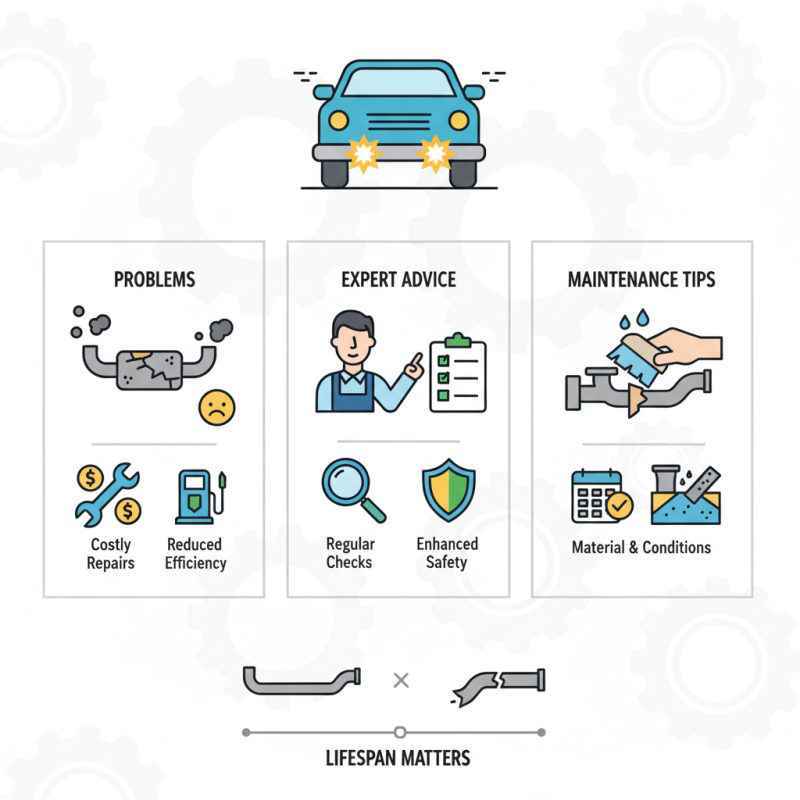
Proper maintenance of exhaust pipes is essential for vehicle performance. According to the American Automobile Association (AAA), about 25% of all vehicle failures are related to exhaust system issues. Ignoring exhaust pipe care can lead to costly repairs and reduced efficiency.
Expert Dave Wilson, a leading authority in automotive exhaust systems, emphasizes, "Regular checks of your exhaust pipes can not only save money but also enhance safety." Drivers often overlook these components, leading to rust and leaks. Neglecting upkeep can compromise engine efficiency and increase harmful emissions.
Proper cleaning and inspection can alleviate common problems. Realizing that an exhaust pipe's lifespan can vary significantly based on material and driving conditions is crucial. With the right attention, many premature failures can be avoided. It's time to reflect on how we prioritize our vehicle's maintenance.
Understanding the Role of the Exhaust Pipe in Vehicle Performance
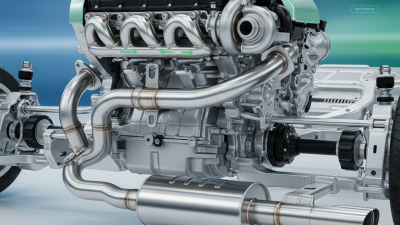
The exhaust pipe plays a critical role in vehicle performance. It is responsible for directing harmful gases away from the engine and minimizing emissions. A well-functioning exhaust system can improve engine efficiency and enhance overall performance. If the exhaust pipe is blocked or leaking, it can lead to reduced power and increased fuel consumption.
Tips: Regularly check your exhaust for rust or damage. Listen for unusual sounds when the engine is running. A hissing or rumbling sound can indicate a leak.
Another aspect to consider is the way exhaust gas affects your vehicle. Poor exhaust flow can lead to engine problems. This may result in overheating or misfiring. Staying attentive to these signs can help prevent costly repairs later.
Tips: Clean the exhaust pipe periodically to maintain optimal airflow. Avoid driving on rough roads, which can damage the pipe. This simple action can prolong the life of your exhaust system. Always remember to monitor your vehicle’s performance. Small issues can escalate quickly if not addressed.
Common Issues and Symptoms of Exhaust Pipe Problems
Exhaust pipe problems can be sneaky. They may not show immediate symptoms, but over time, they can lead to serious issues. A study reported that over 25% of vehicles experience exhaust leaks. These leaks can result from rust, corrosion, or physical damage. Drivers often notice strange noises, like hissing or tapping sounds coming from the exhaust. These noises indicate a potential leak.
Another common symptom is increased fuel consumption. When the exhaust system is compromised, the engine may work harder. This extra strain can lead to a 10-15% drop in fuel efficiency according to industry reports. If you notice your fuel gauge dipping faster than usual, it might be time to check your exhaust pipe. Foul odors can also signal trouble. A rotten egg smell could indicate a failing catalytic converter, which is closely tied to the exhaust system's health.
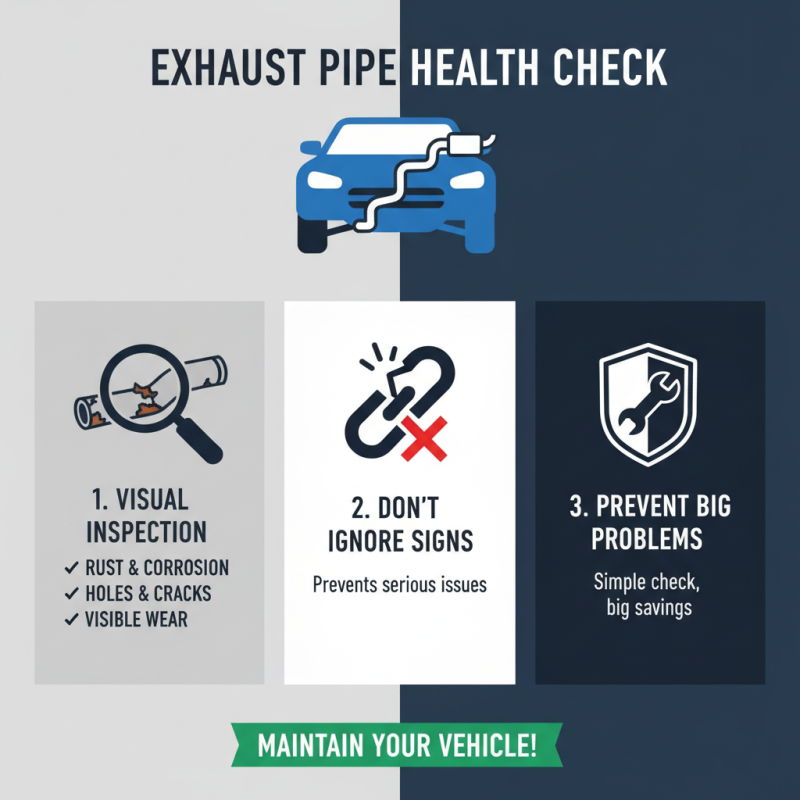
Lastly, observing visible damage is essential. If the exhaust pipe has cracks, rust, or discoloration, it needs immediate attention. Ignoring these signs might lead to further complications. Regular inspection and maintenance are crucial. Keeping an eye on your vehicle's exhaust system can save you money and prevent hazardous situations. It's not just about performance; it's about safety too.
What You Need to Know About Exhaust Pipe Maintenance - Common Issues and Symptoms of Exhaust Pipe Problems
| Common Issue |
Symptoms |
Causes |
Maintenance Tips |
| Rust and Corrosion |
Unusual noises, exhaust leaks, decreased performance |
Exposure to moisture and road salt |
Regular inspections, apply protective coatings |
| Exhaust Leaks |
Loud noises, exhaust fumes inside the vehicle |
Cracked pipes, loose connections |
Check for holes/loose fittings, replace damaged sections |
| Blocked Catalytic Converter |
Reduced power, increased fuel consumption |
Carbon build-up, impurities |
Regular cleaning, use high-quality fuel |
| Damaged Muffler |
Rattling noise, vibrations |
Rust, impact damage |
Inspect and replace as necessary, avoid road hazards |
Essential Tools and Materials for Exhaust Pipe Maintenance
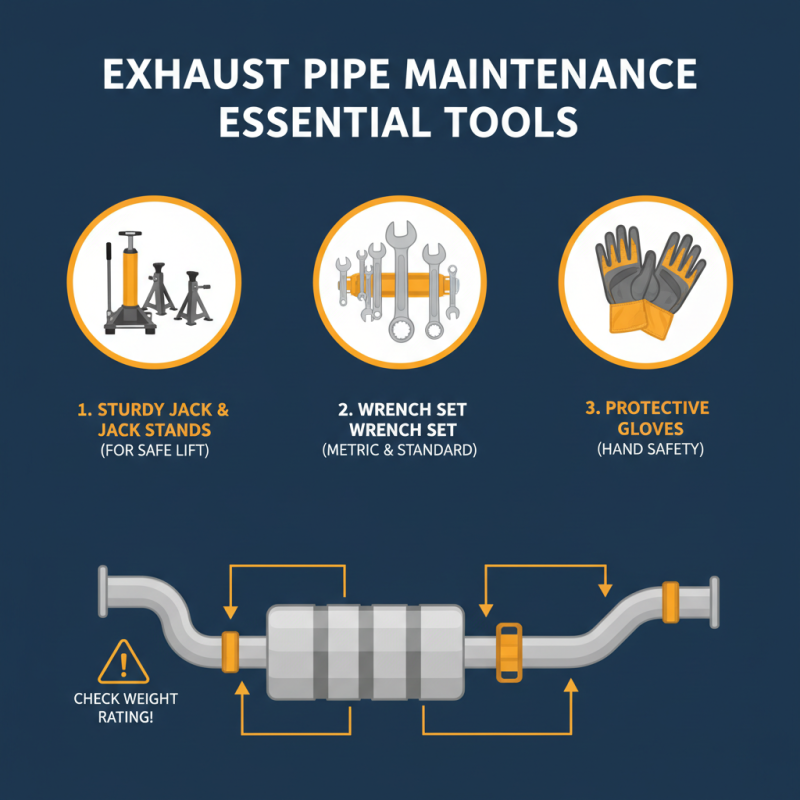
When it comes to exhaust pipe maintenance, having the right tools and materials is essential. First, a sturdy jack and jack stands are necessary for elevating your vehicle safely. Ensure the jack is rated for your car's weight. A wrench set, including both metric and standard sizes, will help you loosen or tighten bolts easily. Don’t forget to have a pair of gloves to protect your hands from grime and sharp edges.
Tips: Always double-check the tightness of your connections. Loose bolts can lead to leaks.
You might also need a wire brush to clean the rust and debris from the exhaust. Additionally, high-temperature exhaust sealant can help mend small cracks. These materials can save you from costly replacements down the line. Keeping a thorough checklist of needed items might help in avoiding unpreparedness during maintenance.
Tips: Keep your workspace organized. Losing a small part can extend your repair time significantly.
Best Practices for Cleaning and Repairing Exhaust Components
Maintaining the exhaust system is crucial for vehicle performance. Regular cleaning of exhaust components is essential. A study by the Automotive Research Institute shows that dirty exhaust pipes can reduce efficiency by up to 20%. This is significant.
Cleaning can often be done with simple tools. A wire brush and a cleaning solution will suffice. Ensure the vehicle is off and cool before starting. Areas commonly overlooked include the muffler and catalytic converter. Failing to clean these can lead to corrosion and costly repairs. In fact, the same study reported that 25% of vehicle owners neglect regular maintenance, leading to unexpected failures.
Repairs should not be ignored either. A small crack can grow over time, leading to larger issues. Inspect your exhaust system every six months. Many people don’t realize that even a minor leak can affect fuel economy negatively. Reports indicate that leaks can cost drivers an extra 15% at the pump. Regularly checking for rust or damage is a good practice. Ignoring these signs can result in expensive repairs down the line.
 +86 17870576410