What Are Exhaust Valves and How Do They Work in 2026?
Exhaust valves play a crucial role in engines. They control the flow of exhaust gases from the combustion chamber. This process is vital for an engine's performance and efficiency in 2026.
In modern engines, exhaust valves are designed with precision. They need to open and close at the right moments. If they fail or wear out, engine performance declines. The consequences can be frustrating and costly.
Moreover, advances in technology have improved exhaust valve design. New materials and techniques enhance durability. However, challenges still exist. Manufacturers must ensure these valves can withstand high temperatures and pressures. It’s a delicate balance. Understanding exhaust valves and their functions can lead to better vehicle maintenance.
What Are Exhaust Valves? An Overview of Their Definition and Purpose
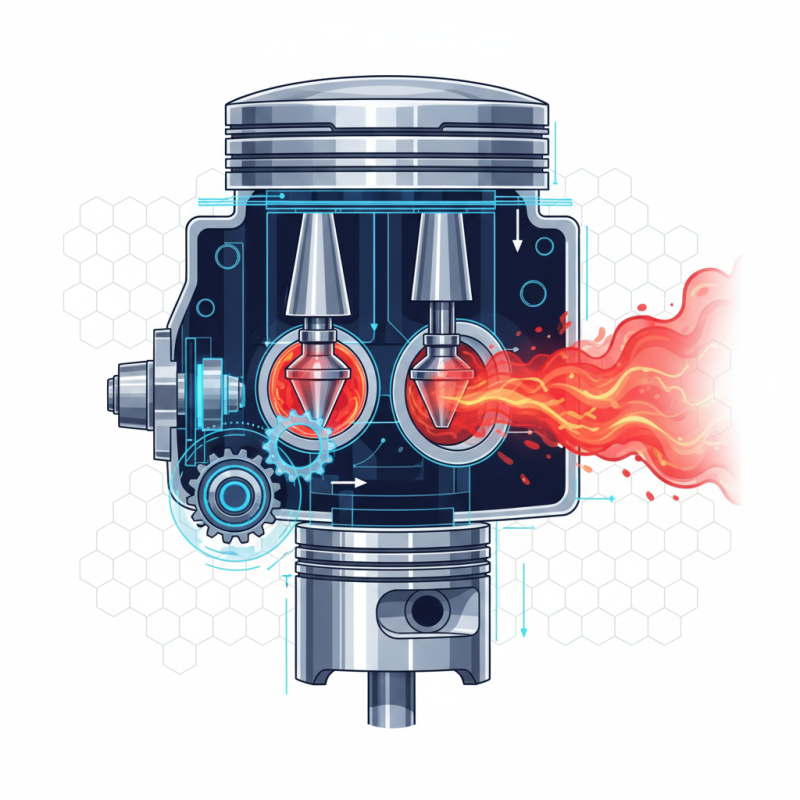
Exhaust valves are critical components in combustion engines. They control the exit of exhaust gases after fuel combustion. When the engine operates, these valves open and close in sync with the engine's cycle. Their primary purpose is to optimize engine performance and efficiency.
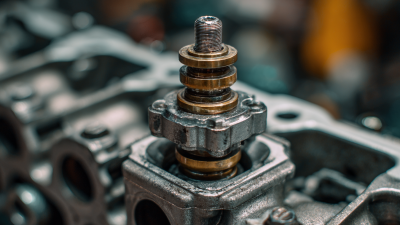
These valves are typically made of durable materials. They must withstand high temperatures and corrosion. A well-functioning exhaust valve prevents gas leaks and maintains engine pressure. However, wear and tear can affect their performance. Sometimes, a valve could stick or fail to seal properly. These issues can lead to reduced power output or increased emissions.
Understanding exhaust valves helps in engine diagnostics. Mechanics often check these components when a vehicle exhibits performance issues. Regular maintenance is vital for longevity. Ignoring small problems can lead to costly repairs. Engineers are constantly looking for improvements. Future designs may enhance their durability and efficiency.
What Are Exhaust Valves and How Do They Work in 2026?
| Dimension |
Details |
| Definition |
An exhaust valve is a key component in an internal combustion engine that allows exhaust gases to exit the combustion chamber after fuel has been burned. |
| Purpose |
The primary purpose of exhaust valves is to maintain optimal engine functioning by ensuring efficient expulsion of exhaust gases and preventing backflow into the combustion chamber. |
| Types |
Common types include poppet valves, rotary valves, and sleeve valves, each with different mechanisms of operation. |
| Material |
Exhaust valves are often made from high-strength alloys that can withstand high temperatures and corrosive gases. |
| Functionality |
They open and close at precise timing during the engine cycle, typically controlled by the camshaft and timing belt or chain. |
| Impact of Technology |
In 2026, advancements such as electro-hydraulic actuators and variable valve timing systems enhance efficiency and performance, optimizing exhaust flow. |
| Maintenance |
Regular inspection and maintenance are crucial to prevent issues such as valve overlap, leakage, or damage due to excessive heat. |
| Future Trends |
Emerging trends include the development of smart combustion valves that adapt in real-time to changing engine conditions for improved performance. |
The Role of Exhaust Valves in Internal Combustion Engines
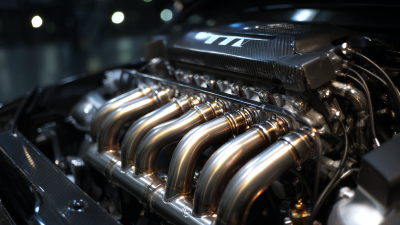
Exhaust valves play a crucial role in internal combustion engines. They allow exhaust gases to exit the combustion chamber after power is generated. A typical engine may have two to four exhaust valves per cylinder, depending on the design. According to the Society of Automotive Engineers, an efficient exhaust system can improve engine performance by 5-10%.
The efficiency of exhaust valves impacts emissions and fuel consumption. A well-functioning exhaust valve aids in reducing harmful emissions. Reports indicate that engines with optimized exhaust systems can decrease nitrogen oxide emissions significantly. However, exhaust valves face wear and tear over time, leading to performance degradation. Regular inspections are necessary to ensure their functionality.
Innovations in valve materials and designs have emerged. Advanced alloys help valves withstand high temperatures and pressures. Still, motorists and manufacturers must consider maintenance. Neglecting exhaust valves can lead to bigger engine problems and costly repairs. A balanced approach to maintenance is essential in keeping engines running smoothly.
Mechanisms of Exhaust Valve Operation: Types and Technologies
Exhaust valves play a crucial role in an engine's performance. They are part of the engine's valve train and are responsible for releasing exhaust gases from the combustion chamber. These gases must exit to allow for fresh air and fuel to enter. The efficiency of exhaust valves directly affects engine power and fuel economy.
There are several types of exhaust valves, including poppet valves and sleeve valves. Poppet valves are most common in modern engines. They open and close quickly, adapting to various rev ranges. Sleeve valves, on the other hand, are less common but can improve airflow. They work by sliding sleeves over the combustion chamber openings. This technology is fascinating but not widely adopted.
Operating mechanisms can vary. Conventional systems use camshaft-driven components. Electro-hydraulic systems offer more precision but can be complex. Such complexity invites potential problems; for example, they may fail if not maintained properly. Choosing the right valve operation mechanism can greatly impact engine efficiency, which is worth considering for future designs.
Exhaust Valve Types and Their Usage in 2026
This chart illustrates the relative usage percentages of different types of exhaust valves in 2026. The dual exhaust valve is expected to dominate the market, followed by single exhaust valves and variable valve timing technology.
Impact of Exhaust Valves on Engine Performance and Emissions Standards
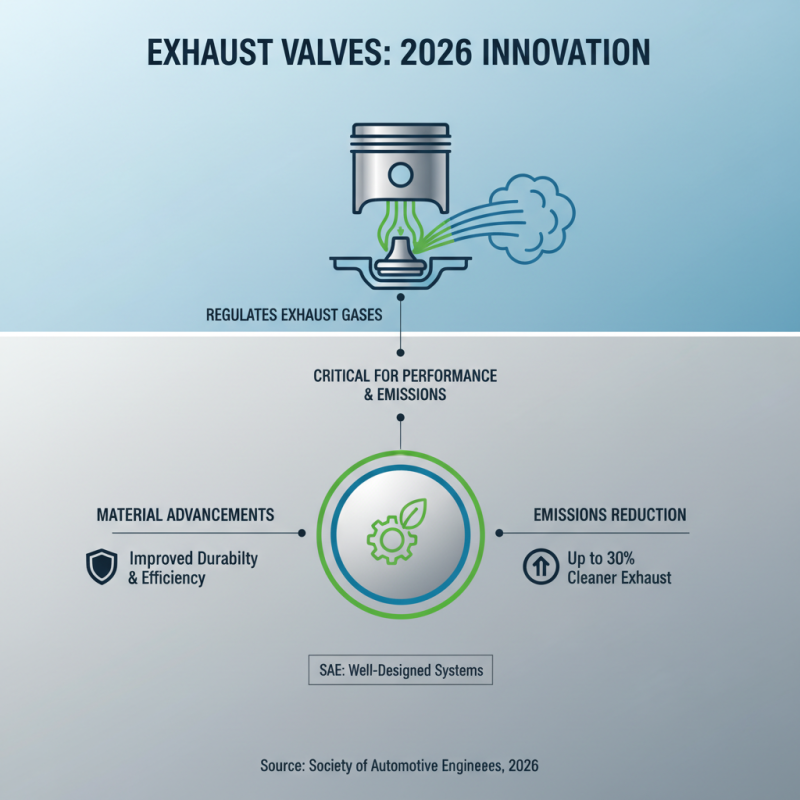
Exhaust valves play a critical role in engine performance and emissions control. They regulate the escape of exhaust gases after combustion. In 2026, advancements in materials have improved their durability and efficiency. According to the Society of Automotive Engineers, well-designed exhaust systems can reduce emissions by up to 30%.
However, not all engines utilize exhaust valves effectively. Some designs lead to incomplete combustion, resulting in higher emissions. This gap highlights the need for ongoing research. Inconsistent valve timing can cause power loss and increased pollutants. Data from the Environmental Protection Agency suggests that optimizing exhaust valve operation can significantly enhance efficiency.
Innovative technologies are emerging to address these issues. Solutions like variable valve timing allow for precise control of exhaust flow. These methods can help meet stricter emissions standards expected in the coming years. Nonetheless, the execution of these technologies is not without challenges. Proper integration with existing systems remains an area for improvement and exploration.
Future Trends in Exhaust Valve Design: Innovations for 2026 and Beyond
The design of exhaust valves is evolving rapidly. In 2026, we're seeing significant innovations driven by sustainability and efficiency. Lightweight materials are becoming common. These materials enhance performance while reducing overall vehicle weight. For instance, composites and advanced alloys are on the rise. Their strength-to-weight ratios are impressive, making them ideal for high-performance engines.
Another trend is the integration of technology into valve designs. Smart exhaust valves can now adjust based on engine conditions. This adaptability offers improved emissions control and fuel efficiency. The incorporation of sensors allows for real-time monitoring. However, these advancements come with challenges. Reliability can be an issue when integrating electronics with traditional mechanical systems. Maintenance is also more complex, requiring specialized knowledge.
Furthermore, future designs may explore hybrid mechanisms. By combining traditional and modern methods, engineers can create hybrid systems. These could offer the best of both worlds. However, there's a risk of over-engineering. Simplicity can often lead to better reliability in mechanical components. As we look ahead, the quest for balance between innovation and practicality continues.
 +86 17870576410