Ultimate Guide to Muffler Straight Pipes: Benefits, Installation, and FAQs
The world of automotive performance is ever-evolving, and one of the most talked-about modifications among car enthusiasts is the installation of a Muffler Straight Pipe. According to renowned exhaust system specialist John H. Ramirez, "Upgrading to a Muffler Straight Pipe not only enhances the aggressive sound profile but also optimizes the vehicle's overall power delivery." This statement encapsulates the essence of why many drivers consider this modification an essential upgrade in their quest for performance and efficiency.
Muffler Straight Pipes offer a unique blend of benefits that appeal to both casual drivers and hardcore automotive aficionados. By removing restrictive components within the exhaust system and allowing for a direct path for exhaust gases to exit, these pipes promise to increase horsepower and provide a more exhilarating sound. Moreover, the installation process, while requiring some mechanical insight, can be straightforward with the right tools and knowledge. In this ultimate guide, we will dive deep into the various advantages of Muffler Straight Pipes, outline the steps for installation, and address frequently asked questions to empower you with the information needed to make an informed decision for your vehicle.

Ultimate Guide to Muffler Straight Pipes: Overview of Key Features
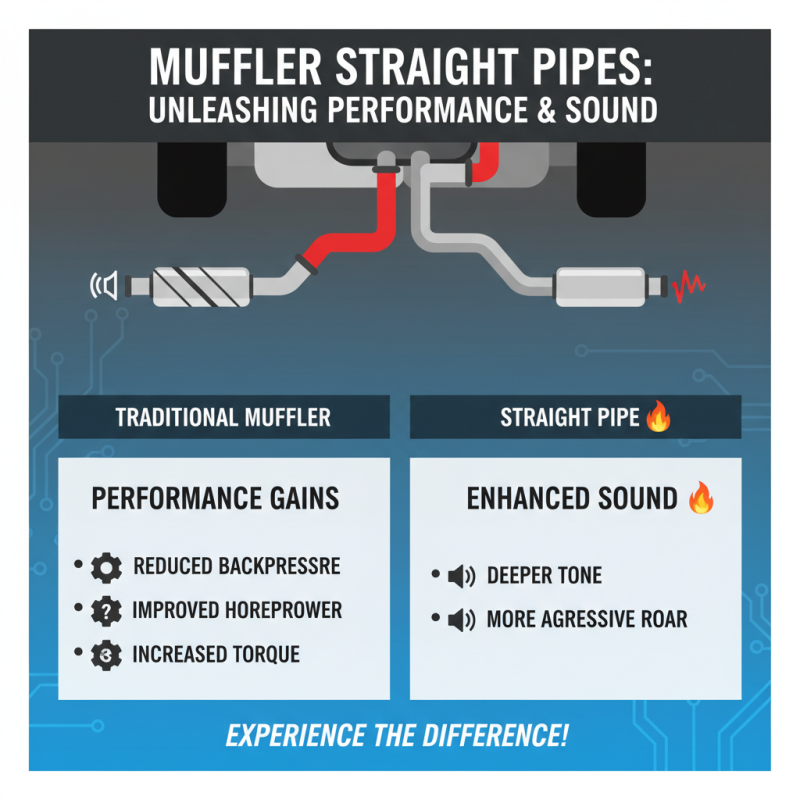
Muffler straight pipes are a popular choice among automotive enthusiasts seeking to enhance their vehicle's performance and sound. These pipes streamline the exhaust system by eliminating the traditional muffler, allowing for a more direct path for exhaust gases. This results in reduced backpressure, which can contribute to improved horsepower and torque. Additionally, the absence of a muffler alters the sound profile of the exhaust, leading to a deeper, more aggressive tone that many drivers find appealing.
When considering the key features of muffler straight pipes, it's essential to note their construction and material quality. Typically made from stainless steel or aluminized steel, these pipes offer durability and resistance to corrosion. The diameter of the pipe is another crucial aspect, as larger diameters generally facilitate increased exhaust flow, enhancing performance further. Installation is often straightforward, requiring minimal modifications, which makes straight pipes an attractive option for those looking to upgrade their exhaust systems without extensive mechanical work.
Benefits of Muffler Straight Pipes: Performance Gains and Noise Levels
Muffler straight pipes have gained popularity among automotive enthusiasts for their notable performance gains and enhanced sound characteristics. These modifications can reduce back pressure in the exhaust system, which is essential for maximizing engine efficiency. According to a 2021 study by the Society of Automotive Engineers, vehicles equipped with straight pipes can experience a horsepower increase of up to 10% compared to those with standard mufflers. This improvement is primarily due to the reduced obstruction of exhaust flow, allowing for a more efficient expulsion of exhaust gases.
In addition to performance enhancements, muffler straight pipes are known for their distinct, aggressive sound profiles. Many users report a significant increase in decibel levels, with some modifications producing sounds that are 5-10 dB louder than traditional setups. This increase in sound not only provides a thrilling auditory experience but also can serve as a warning to other drivers, potentially increasing road safety. However, it’s essential to consider local noise regulations, as excessive sound levels may lead to fines.
Tips: When considering the installation of muffler straight pipes, ensure your vehicle's current exhaust system can accommodate the modification. It may be beneficial to consult with a professional mechanic to evaluate compatibility and performance expectations. Additionally, always verify that your exhaust system complies with local noise ordinances to avoid potential issues on the road.
Ultimate Guide to Muffler Straight Pipes: Benefits, Installation, and FAQs
| Aspect |
Details |
| Performance Gains |
Improved horsepower and torque due to reduced backpressure. |
| Weight Reduction |
Lighter than traditional mufflers, leading to better power-to-weight ratio. |
| Noise Levels |
Increased exhaust noise, providing a sportier sound profile. |
| Installation Complexity |
Requires welding and cutting; can be DIY or professional installation. |
| Compatibility |
Generally fits most vehicles; check specific model requirements. |
| Legal Considerations |
May not be street legal in some regions due to noise regulations. |
| Cost |
Pricing varies based on materials and labor; typically ranges between $100-$500. |
Installation Process: Tools Required and Step-by-Step Instructions
When it comes to installing muffler straight pipes, having the right tools and following a systematic approach can make a significant difference in the process. Start by gathering the necessary tools which include a jack and jack stands, a wrench set, cutting tools (like a saw or pipe cutter), a pipe expander, and clamps to secure the connections. Once you have your tools ready, ensure the vehicle is parked on a flat surface and that you’ve engaged the handbrake for safety.
The installation process begins with lifting your vehicle using the jack and securing it with jack stands. Next, remove the existing muffler and any connected exhaust pipes carefully to avoid damaging surrounding components. If you're using a straight pipe instead, measure and cut it to the required length. Be sure to leave extra length for adjustments. After cutting, use the pipe expander on the ends for a snug fit, then position the straight pipe in place. Secure it using clamps, ensuring all connections are tight to prevent leaks.
Tips: Always wear safety goggles and gloves to protect yourself while working on your vehicle. Also, consider pre-fitting all parts before finalizing the installation; this can save time and prevent frustration. Double-check your work to ensure everything is aligned correctly and securely fastened before taking your vehicle for a test drive.
Common FAQs: Addressing Misconceptions About Straight Pipe Systems
Straight pipe systems, commonly associated with muffler setups, often spark a debate among automotive enthusiasts and everyday drivers alike. One of the most prevalent misconceptions is that straight pipes universally enhance a vehicle's performance. While it's true that straight pipe systems can reduce back pressure and potentially increase horsepower, data from automotive performance studies reveals that the gains can vary significantly based on engine type and setup. For instance, a report by the Specialty Equipment Market Association (SEMA) indicates that vehicles optimized for high-end power may benefit more from such modifications than standard commuter cars.
Additionally, the notion that straight pipes eliminate back pressure completely is misleading. Although these systems are designed to minimize restrictions, some degree of back pressure is essential for optimal engine performance. According to an analysis by the American Society of Mechanical Engineers (ASME), excessive loss of back pressure can lead to a condition known as "reversion," where exhaust gases flow back into the engine. This can negatively impact engine efficiency and even lead to damage over time. Therefore, understanding how straight pipe systems interact with specific vehicle dynamics is crucial to dispelling myths and making informed decisions about exhaust modifications.
Benefits of Muffler Straight Pipes
Industry Insights: Trends and Regulations Affecting Muffler Designs
The muffler industry is undergoing significant transformations driven by evolving consumer preferences and stringent environmental regulations. As more drivers seek ways to enhance vehicle performance and sound, manufacturers are exploring innovative designs that not only improve exhaust flow but also minimize noise pollution. These trends reflect a growing consciousness among consumers regarding the environmental impact of their vehicles, pushing the industry towards more sustainable solutions. The development of advanced materials and technologies aims to strike a balance between performance and compliance with emerging regulations aimed at reducing vehicular emissions.
Regulatory standards play a critical role in shaping muffler designs and production processes. Governments around the world are implementing stricter emission guidelines, prompting manufacturers to prioritize eco-friendly materials and techniques in muffler construction. This shift encourages the adoption of straight pipe designs that optimize exhaust efficiency while adhering to legal requirements.
Additionally, the rise of electric and hybrid vehicles is reshaping market demands for traditional muffler solutions, as these vehicles often necessitate new approaches to sound management and performance enhancement. Overall, industry insights reveal a dynamic landscape where innovation and regulation go hand in hand, influencing future developments in muffler technology.
 +86 17870576410