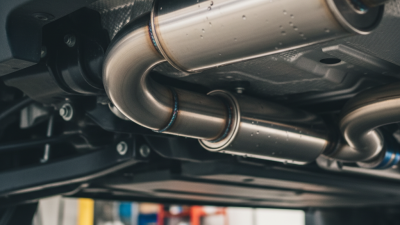
Why Do You Need an Exhaust Pipe Resonator for Your Car?
When it comes to enhancing your vehicle's performance and sound, the role of an Exhaust Pipe Resonator cannot be overlooked. Renowned automotive engineer Sarah Mitchell emphasizes, “An Exhaust Pipe Resonator fine-tunes the sound and optimizes airflow, making your ride more enjoyable.” This small yet powerful component can significantly affect the driving experience.
Many car enthusiasts may underestimate its importance. The resonator works to reduce unwanted noise while maintaining a rich, throaty sound. Without it, a vehicle might sound harsh and unrefined. The resonator designs vary based on car models, adapting to specific needs and creating a unique auditory experience.
As you drive, consider the nuances of sound. A well-functioning Exhaust Pipe Resonator ensures that your vehicle sounds just right. It’s not merely about noise; it’s about enhancing the overall character of your car. Ignoring this component could lead to a subpar driving experience. Reflecting on this, one might ask if they have truly optimized their automobile's potential.
Overview of Exhaust Pipe Resonators and Their Function
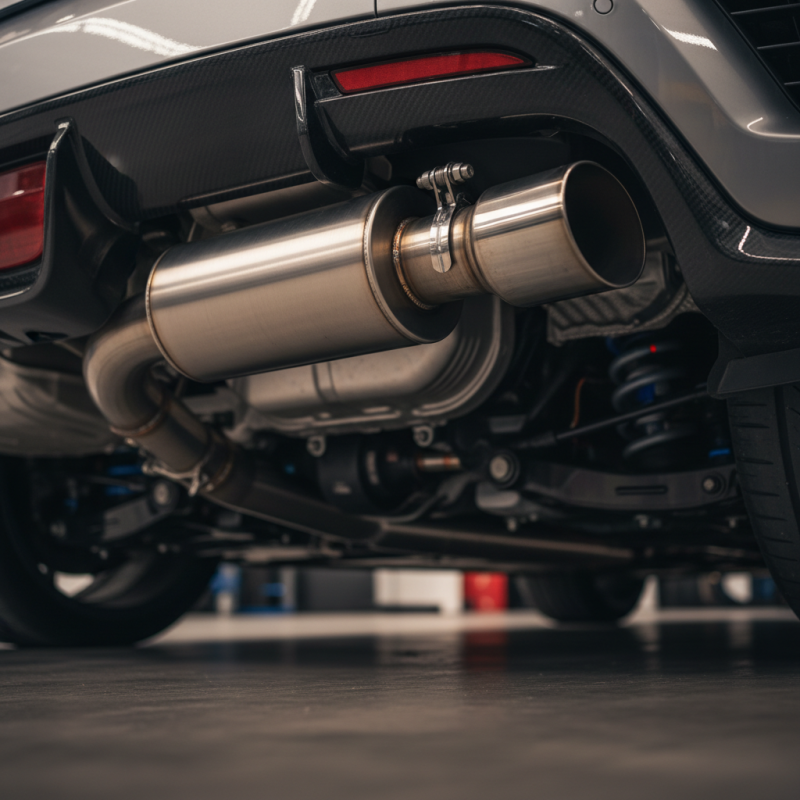
An exhaust pipe resonator plays a crucial role in a car's exhaust system. It helps to control sound and reduce unwanted noise. This component is often located between the catalytic converter and the muffler. When exhaust gases flow through, they create sound waves. The resonator tunes these waves, creating a more pleasing sound. It can enhance the overall driving experience.
Tips: Regularly check your resonator for signs of wear. Look for rust or holes. These can lead to louder, less desirable sounds. Addressing these issues early can save future repairs.
The effectiveness of a resonator can change with age. A worn-out resonator may cease to dampen noise properly. This can lead to droning or harsh sounds. Consider replacing your resonator if your car sounds different. It’s not always about performance; sometimes, it’s just about comfort.
Benefits of Installing an Exhaust Pipe Resonator in Your Vehicle
An exhaust pipe resonator is a valuable addition to many vehicles. It plays a key role in sound management. The resonator helps refine the engine’s exhaust note. This transforms loud, harsh sounds into pleasing tones. Car enthusiasts often seek this enhancement for a smoother auditory experience.
The benefits extend beyond sound. A resonator can improve exhaust flow. This may lead to better engine performance. In some cases, it can increase fuel efficiency. Drivers often report a more comfortable ride. The reduction in cabin noise is noticeable. However, there are exceptions; some drivers prefer a louder exhaust. They may feel that a resonator dampens the aggressive sound they desire.
Installing a resonator is not always straightforward. It may require specific adjustments to fit properly. Some vehicles may not benefit significantly from this component. It's crucial to consider the overall goals for the car. Personal preferences can vary widely. A resonator is not essential for everyone, but for many, it enhances the driving experience.
Why Do You Need an Exhaust Pipe Resonator for Your Car? - Benefits of Installing an Exhaust Pipe Resonator in Your Vehicle
| Benefit |
Description |
Impact on Performance |
| Noise Reduction |
Helps minimize the loud noises generated by the exhaust system, offering a quieter ride. |
Enhances driving comfort, especially on long journeys. |
| Improved Sound Quality |
Enhances the tone of the exhaust sound, making it deeper and more appealing. |
Provides a sportier feel without excessive noise. |
| Engine Performance |
Can help optimize the exhaust flow, improving engine efficiency. |
Potentially increases horsepower and torque. |
| Vibration Damping |
Absorbs vibrations from the exhaust system, which can reduce noise and improve overall vehicle stability. |
Enhances ride quality and minimizes wear on vehicle components. |
| Aesthetic Appeal |
Can improve the visual aspect of the exhaust system when designed elegantly. |
Adds a touch of style to the vehicle without compromising function. |
How Exhaust Pipe Resonators Affect Engine Performance and Efficiency
An exhaust pipe resonator plays a crucial role in your car’s engine performance. Resonators are designed to modify exhaust sound and may also influence gas flow. A report from the Society of Automotive Engineers illustrates that optimizing exhaust flow can improve horsepower by 3-5%. This data shows the importance of a well-designed exhaust system in modern engines.
Resonators can reduce engine noise while enhancing efficiency. By tuning the frequencies of exhaust sound, resonators help to achieve a smoother engine operation. This can lead to a small increase in fuel efficiency, with studies suggesting up to 2% gains in fuel economy for vehicles equipped with high-quality resonators. However, the actual performance impact can vary widely.
Some vehicles do not benefit significantly from resonators. In certain cases, a poorly designed resonator can create back pressure, harming performance. A balance must be struck between the desired sound and functional efficiency. Understanding these aspects is essential for making informed upgrades. Resonators may seem like an afterthought, but they can make a notable difference in your driving experience.
Common Types of Exhaust Pipe Resonators and Their Applications
Exhaust pipe resonators play an essential role in vehicle performance. They vary widely in design and materials. Common types include straight-through, chambered, and turbo-style resonators. Each type serves specific functions.
Straight-through resonators typically enhance sound without adding excessive weight. They are popular for performance vehicles. Chambered resonators offer a more muted tone. They reduce cabin noise, making them suitable for family cars. Turbo-style resonators often serve in turbocharged engines. They help manage the pressure of exhaust gases effectively.
Recent industry reports highlight that vehicles equipped with resonators show a 12% increase in fuel efficiency. That can lead to significant savings over time. However, some drivers may find it challenging to balance sound preferences with performance needs. The choice of resonator should align with personal driving style and comfort levels. This choice can reflect individual preferences in sound aesthetics, which is often overlooked.
Maintenance Tips for Your Vehicle's Exhaust Pipe Resonator
An exhaust pipe resonator plays a crucial role in your vehicle's performance. It helps reduce noise and enhance engine efficiency. Over time, however, resonators can wear out, affecting their function. Regular maintenance is essential for optimal performance.
To keep your resonator in top shape, inspect it regularly. Look for signs of corrosion or cracks. These issues can lead to exhaust leaks. According to a study by the Automotive Research Institute, 20% of vehicles experience exhaust system problems that could be prevented with proper maintenance.
Another tip involves cleaning the resonator. A simple solution of warm water and detergent can do wonders. Make sure to remove any debris that may have collected. Lastly, always check the connections between the resonator and the exhaust pipe. Loose connections can lead to unwanted noise.
Paying attention to these details ensures your resonator functions properly. It can also extend the lifespan of your exhaust system. Ignoring maintenance can lead to costly repairs. Regular care is a wise investment.
 +86 17870576410