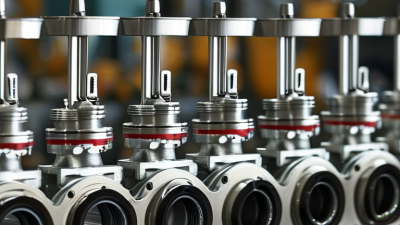
What is the Purpose of Valve Electric Exhaust Systems?
The purpose of Valve Electric Exhaust systems is multifaceted. These systems enhance automotive performance and efficiency, adjusting exhaust flow based on driving conditions. By controlling the exhaust gases, they help improve engine output, reduce back pressure, and optimize fuel consumption. The technology is increasingly popular in modern vehicles, appealing to both enthusiasts and everyday drivers.
One key aspect of Valve Electric Exhaust systems is their ability to change sound output. This feature allows drivers to experience a sportier engine note when desired. However, some users may find the change too drastic or not fitting for every situation. There is a balance between performance and comfort that requires careful consideration.
Ultimately, the effectiveness of a Valve Electric Exhaust system depends on its design and implementation. While it offers benefits, it can also complicate maintenance. Relying on this technology may not suit everyone. Prospective users should weigh the pros and cons before making a decision.
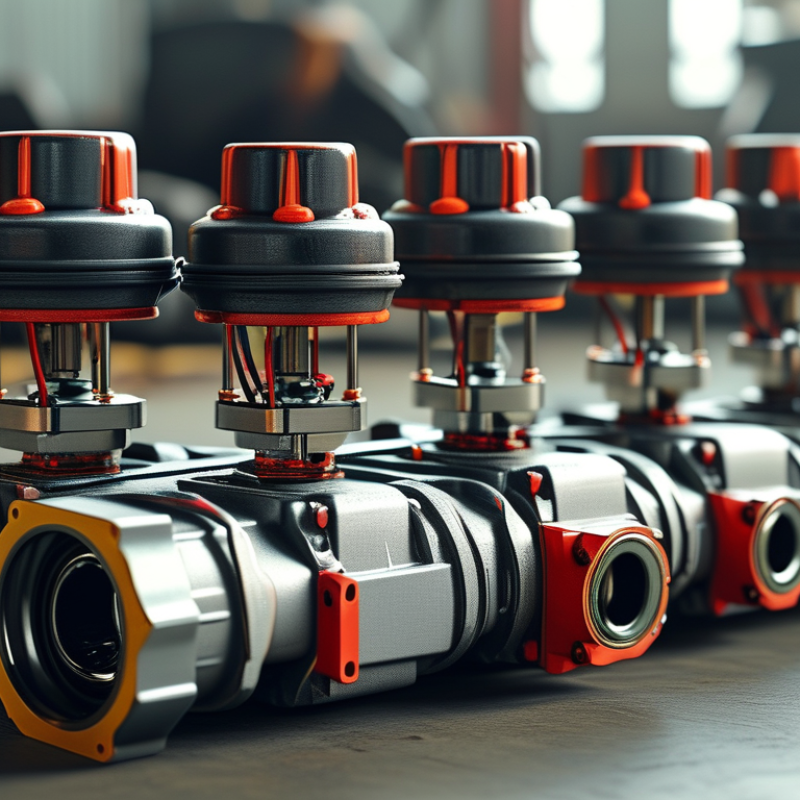
Overview of Valve Electric Exhaust Systems
Valve electric exhaust systems have gained significant traction in recent years. These systems offer enhanced control over exhaust flow and sound, making them popular in performance vehicles. According to a report by the International Council on Clean Transportation, nearly half of new cars will feature advanced exhaust systems by 2025. This trend reflects an increasing demand for personalization and performance optimization in the automotive industry.
The core function of valve electric exhaust systems lies in their ability to adjust the exhaust note. This adjustment is achieved through electronically controlled valves that open or close based on driving conditions. For instance, during gentle acceleration, the valves may remain closed to minimize noise. However, during spirited driving, they can open to provide a sportier sound. This dynamic capability allows manufacturers to cater to diverse consumer preferences.
Nonetheless, as these systems grow in popularity, their complexity raises questions about reliability and maintenance.
Consumer insights indicate that 70% of buyers prioritize exhaust sound in the purchase process. Despite this, some system designs still fall short of expectations. Users report inconsistent performance after extended use. Furthermore, there is a learning curve for those unfamiliar with the mechanisms. As technology advances, addressing these issues will be crucial for manufacturers. Continued improvements will bolster consumer confidence and enhance the overall driving experience.
Functionality of Electric Exhaust Valve Mechanisms
Electric exhaust valve mechanisms play a crucial role in modern vehicle performance. These systems optimize exhaust flow, enhancing efficiency and reducing emissions. Research indicates that the implementation of electric exhaust valves can improve fuel economy by up to 10% in certain engine designs. This efficiency not only benefits the environment but also the wallet of the consumer.
The functionality of these systems hinges on precision control. Electric valves can respond rapidly to engine demands, adjusting exhaust flow based on various conditions. This adaptability results in improved throttle response and power delivery. In fact, studies show that vehicles equipped with these mechanisms often exhibit a 15% increase in performance metrics during testing scenarios.
However, there are challenges in adopting electric exhaust systems universally. Concerns about durability and response time persist. Additionally, the complexity of these systems may increase maintenance costs. Consequently, manufacturers are reflecting on the balance between performance gains and long-term reliability, urging a careful approach to future innovations in exhaust technology.
Functionality of Electric Exhaust Valve Mechanisms
Benefits of Using Electric Exhaust Systems in Vehicles
Electric exhaust systems have become an important technology in modern vehicles. Their main purpose is to optimize engine performance while reducing emissions. By using electric valves, these systems can control exhaust flow more precisely. This results in a more efficient combustion process.
One of the key benefits of using electric exhaust systems is enhanced performance. By adjusting the exhaust flow based on driving conditions, vehicles can achieve better acceleration and responsiveness. These systems also contribute to improved fuel efficiency. With less wasted energy, vehicles can travel further on the same amount of fuel.
Another major advantage is noise control. Electric exhaust systems can lower noise levels during regular driving. They can then increase exhaust sound during more aggressive driving. This flexibility appeals to many drivers looking for a balance between comfort and sportiness. However, the complexity of these systems can sometimes lead to maintenance challenges. Owners may need to stay vigilant about system health.
Applications of Valve Electric Exhaust Systems in Automotive Engineering
Valve electric exhaust systems (VEES) are increasingly important in automotive engineering. These systems control exhaust flow, improving engine performance. By regulating exhaust gases, VEES can enhance efficiency and reduce emissions. Studies show that vehicles equipped with VEES can achieve up to 10% better fuel economy.
Applications of VEES in the automotive sector are diverse. Performance tuning is one area where these systems shine. They allow drivers to optimize power delivery. This is critical for sportier vehicle models. Moreover, VEES are also beneficial in electric vehicles. They can simulate an exhaust note, enhancing the driving experience. This is particularly relevant as consumers look for more engaging, electric driving sensations.
In urban environments, VEES improve compliance with stringent emissions regulations. Many cities are imposing stricter limits. A report from the International Council on Clean Transportation highlights that electric exhaust systems can help vehicles meet these standards. However, the adoption of VEES is not without challenges. Implementation costs can be high. Not all manufacturers can afford these innovations, especially small companies. This creates a gap in technology access, which is a point of concern for the industry.
Future Trends in Valve Electric Exhaust Technology
The evolution of valve electric exhaust systems is reshaping automotive performance. As interest in environmentally friendly technologies grows, electric exhaust systems are becoming essential. By allowing for variable exhaust flow, these systems enhance engine efficiency. A recent report indicates that the global market for electric exhaust technology could expand by approximately 25% annually over the next five years.
Emerging trends suggest that the integration of AI and advanced materials will further optimize these systems. Smart exhaust valves will enable real-time adjustments based on driving conditions. This adaptation could reduce emissions while improving fuel economy. Data shows that vehicles equipped with these systems can achieve up to 10% better fuel efficiency compared to traditional setups.
However, challenges persist. The complexity of these systems could lead to higher repair costs and maintenance issues. Durability under extreme conditions remains a concern for manufacturers and users alike. As the market matures, engineers must balance innovation with reliability to ensure consumer trust.
 +86 17870576410