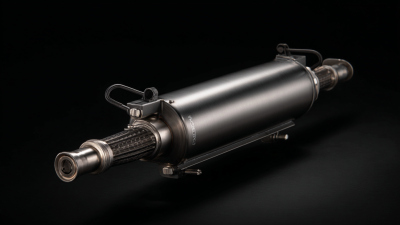
How to Reduce Exhaust Noise with an Exhaust Pipe Resonator
In the automotive world, reducing exhaust noise has become an essential concern for both manufacturers and enthusiasts. An effective solution that has garnered attention is the use of an "Exhaust Pipe Resonator." According to Dr. Emily Hawthorne, a leading expert in automotive acoustics, "The proper integration of an Exhaust Pipe Resonator can transform not only the sound profile of a vehicle but also enhance the driving experience by minimizing unwanted noise."
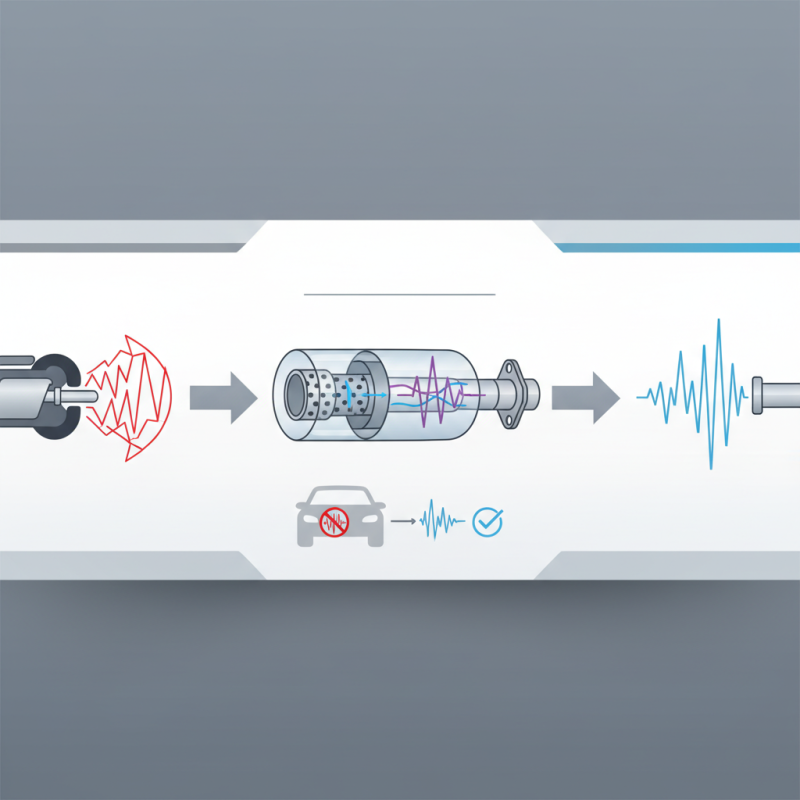
Resonators work by utilizing sound waves to counteract specific frequencies produced by the engine and exhaust system, thereby providing a more refined auditory experience. As vehicles evolve toward more powerful engines, the need for sophisticated noise management techniques becomes increasingly crucial. By implementing an Exhaust Pipe Resonator, car owners can achieve a balanced sound that delivers both performance and comfort.
Incorporating an Exhaust Pipe Resonator into your vehicle’s exhaust system not only addresses noise issues but can also contribute to improved exhaust flow and engine efficiency. Whether in daily drivers or performance vehicles, understanding how to harness the benefits of this technology is vital for those looking to enhance their vehicle's acoustic signature without compromising on performance.
Understanding Exhaust Noise and Its Causes
Exhaust noise is an inevitable byproduct of internal combustion engines, resulting from the rapid expulsion of gases produced during fuel combustion. According to a report by the Environmental Protection Agency (EPA), motor vehicles account for approximately 40% of total noise pollution in urban areas. This noise can disrupt communities, impair the quality of life, and even affect human health, with studies indicating a correlation between prolonged exposure to high noise levels and increased stress and cardiovascular issues.
The primary causes of exhaust noise include the speed of exhaust gas flow, engine design, and the geometry of the exhaust system. High-performance engines typically produce a more aggressive sound due to greater gas expulsion rates, while variations in pipe diameter and length can also alter acoustics significantly. Research published by the Society of Automotive Engineers (SAE) shows that adjustments in exhaust pipe structure can lead to noticeable changes in noise levels, with resonators specifically designed to target unwanted frequencies. For example, a well-placed resonator can reduce sound levels by up to 5 dB, making a vehicle considerably quieter without compromising performance. Understanding these dynamics allows for effective noise management through the strategic use of technology and design adjustments.
The Role of Exhaust Pipe Resonators in Noise Reduction
Exhaust pipe resonators play a crucial role in reducing noise levels emitted from vehicles. These components are strategically placed within the exhaust system to cancel out specific sound frequencies generated by the engine. Research from automotive noise control studies shows that the integration of resonators can effectively lower decibel levels by up to 8-10 dB, creating a more pleasant driving experience. By utilizing principles of sound wave interference, resonators help to dampen the harsh sounds often associated with high-performance vehicles, making them not only quieter but also more refined in their acoustic profile.
When considering the implementation of exhaust pipe resonators, it’s essential to assess the specific needs of your vehicle. One tip is to evaluate the existing exhaust system—preferably conduct a sound analysis to identify which frequencies are most intrusive. Customizing the size and placement of the resonator can significantly enhance its effectiveness. Additionally, tuning the resonator can further improve the vehicle's sound characteristics, allowing for a balance between performance and acoustic comfort.
Another important consideration is the material of the resonator itself. High-quality materials can increase durability and longevity while minimizing unwanted vibrations that might contribute to noise. It's advisable to check industry standards and reports, indicating that up to 30% of overall exhaust noise can be mitigated with appropriate resonator designs. Regular maintenance checks on the exhaust system will ensure that the resonator remains in optimal condition, thus sustaining its noise-reduction capabilities over time.
Exhaust Noise Reduction with Exhaust Pipe Resonators
The above chart demonstrates the effectiveness of exhaust pipe resonators in reducing noise levels from 95 dB to 75 dB, showcasing a substantial reduction in exhaust noise.
Types of Exhaust Resonators and Their Functions
Exhaust resonators play a crucial role in optimizing vehicle sound and performance by mitigating unwanted noises. These components are typically found in the exhaust systems of various vehicles, serving as a sound dampening aid.
There are primarily two types of exhaust resonators: straight-through and chambered designs.
Straight-through resonators consist of a simple tube with minimal restrictions, allowing exhaust gases to flow freely, which helps reduce high-frequency noise. According to industry research from the Society of Automotive Engineers, straight-through designs can improve exhaust flow by up to 10%, contributing to better engine performance while keeping noise levels at bay. On the other hand, chambered resonators feature compartments that utilize sound waves to cancel out specific noise frequencies. This design approach is particularly effective for eliminating low-frequency rumble, which is often more intrusive inside the cabin.
The choice of resonator type greatly influences the overall sound profile of the vehicle. For instance, a study conducted by the International Journal of Automotive Engineering found that vehicles with chambered resonators exhibited a 20-30% reduction in cabin noise levels compared to those without them. Thus, understanding these resonator types and their functions can help vehicle owners make informed decisions to enhance driving comfort while maintaining performance.
Installation Process for Exhaust Pipe Resonators
The installation of an exhaust pipe resonator is a relatively straightforward process that can significantly mitigate exhaust noise. To begin, ensure that you have the necessary tools, such as a socket set, wrenches, and clamps. The first step is to elevate the vehicle securely on ramps or a lift to gain adequate access to the exhaust system. Once under the vehicle, locate the existing muffler or exhaust pipe segment you're looking to modify. It’s important to detach the connections carefully to avoid damaging the surrounding components.
After removing the desired section of the exhaust pipe, the resonator can be installed in its place. This usually involves attaching it via flanges or clamps, ensuring a watertight connection to prevent any leaks. According to a report by industry experts, utilizing a resonator can reduce decibel levels by approximately 3-6 dB, which translates into a more pleasant driving experience without significantly compromising engine performance. It’s also advisable to check the vehicle's alignment after installation to ensure optimal performance and avoid excessive vibration or noise that could arise from improper installation.
Lastly, when reinstalling everything, double-check all connections and clamps, making sure that everything is tight. Some specialists recommend a temporary test drive to listen for any unusual sounds that may indicate improper installation. By following these steps, vehicle owners can successfully reduce exhaust noise and enhance their driving experience while adhering to regulations concerning sound emissions.
Maintenance Tips for Optimizing Resonator Performance
To optimize the performance of an exhaust pipe resonator and effectively reduce exhaust noise, regular maintenance is essential. A well-maintained resonator can significantly enhance your vehicle's acoustics, making for a more pleasant driving experience. According to a report by the Society of Automotive Engineers, up to 30% of noise reduction can be achieved through the proper tuning of exhaust systems, which includes maintaining the resonator’s condition.
Tips for maintaining your resonator include checking for rust or damage, as these can lead to leaks that nullify the benefits of noise reduction. It's advisable to inspect the resonator regularly for signs of corrosion, particularly in regions prone to road salt exposure. Additionally, ensure that all mounting hardware is secure — vibrations from loose components can lead to misalignment and increased noise levels.
Another key aspect of optimally maintaining your resonator is ensuring that the exhaust flow is unobstructed. The flow rate can be adversely affected by clogs or blockages, which can increase backpressure and result in unwanted noise. Regularly cleaning the exhaust system, including the resonator, can prevent build-up that would impede performance. According to industry findings, even minor obstructions can increase sound levels by 5-10 dB, emphasizing the importance of regular inspections and maintenance.
 +86 17870576410