Top 10 Benefits of a Straight Pipe Exhaust System Explained
When considering performance upgrades for your vehicle, a Straight Pipe Exhaust System emerges as a popular choice. This modification enhances both sound and efficiency, making engines roar with power. Many automotive enthusiasts praise the benefits it brings. However, it’s essential to understand the implications of such upgrades.
A Straight Pipe Exhaust System eliminates restrictions found in stock exhausts. This leads to increased airflow, improved horsepower, and torque. Additionally, the weight reduction contributes to better handling. These tangible benefits often excite car lovers. While the excitement is real, one should reflect on potential downsides. Local noise regulations may pose challenges, and a loud system can draw unwanted attention.
Understanding the nuances of a Straight Pipe Exhaust System is crucial. Its impact on sound and performance can be positive, yet it may not be suitable for all drivers. Assessing your specific needs is vital before diving into this upgrade. Balancing the allure of increased performance with practicality is key.

Understanding Straight Pipe Exhaust Systems
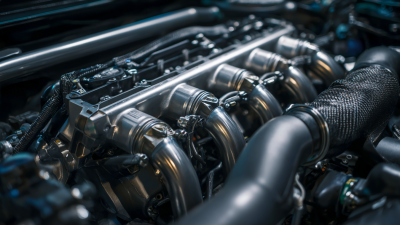
Straight pipe exhaust systems are popular among automotive enthusiasts for various reasons. One key benefit is improved engine performance. A straight pipe reduces back pressure, allowing exhaust gases to flow more freely. According to a 2021 study by the International Journal of Automotive Engineering, cars with straight pipe systems can experience up to a 15% increase in horsepower. This enhanced airflow can significantly boost acceleration and overall vehicle responsiveness.
Another advantage is the distinctive sound produced by straight pipes. Many drivers appreciate the aggressive tone that often accompanies such systems. However, this sound is not universally adored. Some find it overly loud and disruptive, especially at cruising speeds. Balancing performance and a pleasant acoustic experience can be difficult.
Installation and maintenance concerns also arise with straight pipes. While they can be easier to install, the lack of mufflers may lead to increased emissions. A recent report from the Environmental Protection Agency highlights the importance of maintaining compliant exhaust systems. Disregarding regulations can result in fines and environmental harm, reminding owners that performance upgrades must be approached with thoughtfulness and responsibility.
Enhanced Engine Performance and Efficiency
A straight pipe exhaust system can significantly enhance engine performance and efficiency. According to a report from the Society of Automotive Engineers, optimizing exhaust flow can lead to a 10-20% increase in horsepower. This is primarily due to reduced back pressure. When exhaust gases exit quickly, they allow the engine to breathe better. Less restriction promotes a more efficient fuel-air mixture, translating into better combustion.
Moreover, many users report improved throttle response. This is especially noticeable in high-performance vehicles. The linear exhaust flow provides a more direct path for gases. As a result, acceleration feels more immediate and powerful. However, it’s essential to consider that not all applications will benefit equally. Some vehicles might find a balance with moderate exhaust modifications, maintaining a comfortable sound level while still improving efficiency.
While the benefits are clear, there are trade-offs. A straight pipe system can increase noise levels significantly. This could lead to a less pleasant driving experience for some. Additionally, potential legal issues may arise in certain jurisdictions due to noise regulations. It’s critical to weigh the engine’s potential improvements against these factors before making modifications.
Top 10 Benefits of a Straight Pipe Exhaust System
Improved Exhaust Flow and Reduced Back Pressure
A straight pipe exhaust system can significantly enhance your vehicle's performance.
Improved exhaust flow is one major benefit.
By reducing bends and using a larger diameter, exhaust gases exit the engine more efficiently.
This means more power delivered to the wheels. According to the Society of Automotive Engineers,
optimized exhaust flow can improve horsepower by up to 10%.
Reduced back pressure is another key factor. High back pressure can hinder engine performance.
A straight pipe minimizes resistance, allowing the engine to breathe easier. This can lead to better
fuel efficiency and faster throttle response. Reports indicate that a reduction in back pressure by just
1 psi can yield a noticeable boost in performance.
Tips:
Regularly inspect your exhaust system for leaks. A small leak
can offset the benefits of a straight pipe. Also, keep in mind that while louder exhaust notes are often
sought after, excessive noise may not be suitable for all driving environments.
Consider sound regulations in your area.
Sound Quality and Aesthetic Appeal of Exhaust Note
A straight pipe exhaust system transforms the sound profile of a vehicle. Many enthusiasts appreciate the deep, throaty roar it produces. This distinct sound arises from increased airflow and reduced backpressure. The resulting auditory experience enhances driving enjoyment, giving a sense of power and performance.
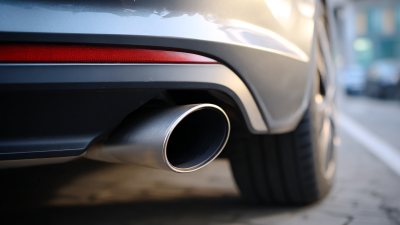
Beyond sound, aesthetics play a vital role in appeal. A straight pipe exhaust often features sleek design and polished finishes. This visual enhancement can elevate the overall look of a vehicle. However, it's essential to consider local noise ordinances. Excessive noise can lead to unwanted attention and fines. While a bold sound can be exhilarating, it may not always be welcomed in residential areas.
Choosing a straight pipe exhaust is not just about noise and style. It involves reflection on personal preferences and local regulations. Some drivers may find the volume thrilling, while others may view it as a nuisance. Balancing performance, sound, and community standards is crucial for an enjoyable driving experience.
Potential Legal and Environmental Considerations
When considering a straight pipe exhaust system, it's vital to examine potential legal and environmental implications. Straight pipe exhausts are popular due to their performance benefits, yet they often raise concerns regarding noise levels and emissions. According to the Environmental Protection Agency (EPA), around 15% of automotive emissions can be linked to exhaust systems that exceed legal limits. Exhaust systems must comply with local and federal regulations to avoid penalties.
Beyond legal issues, environmental impact is significant. Loud exhausts can disturb wildlife and contribute to noise pollution, which affects public health. A study by the World Health Organization estimates that prolonged exposure to noise can lead to cardiovascular problems in humans. Vehicle modifications should consider these factors to ensure sustainability.
Lastly, there's a societal aspect to consider. Communities have mixed feelings about modified exhausts. While some enjoy the increased performance, others may find the noise disruptive. Stakeholders from both sides must engage in discussions to balance performance with community well-being. Awareness about these concerns is crucial for responsible vehicle modification.
 +86 17870576410