What is Valve Exhaust System and How Does it Work?
The Valve Exhaust System plays a crucial role in modern automotive engineering. It ensures the optimal expulsion of exhaust gases, enhancing engine performance and efficiency. According to a report by the International Council on Clean Transportation, vehicles equipped with advanced exhaust systems can reduce emissions by up to 30%. This highlights the significance of properly functioning systems in meeting strict environmental regulations.
Understanding how a Valve Exhaust System operates requires insight into its components and mechanisms. The system typically includes valves, pipes, and sensors designed to manage exhaust flow effectively. Research shows that systems optimized for performance can lead to a noticeable increase in horsepower and torque. However, maintenance challenges can arise. Regular inspection is vital, as buildup of carbon deposits can negatively impact efficiency.
As technology evolves, the importance of a well-designed Valve Exhaust System cannot be overstated. With the shift towards electric vehicles, traditional systems may face obsolescence. Yet, for conventional engines, these systems remain a critical area for improvement. Industry experts emphasize the need for continual innovation and adaptation to meet future standards.
What Is a Valve Exhaust System? An Overview of Its Components
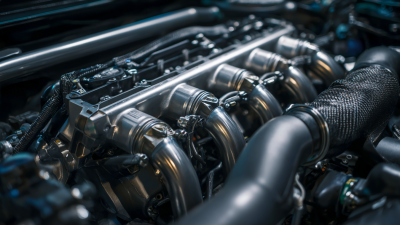
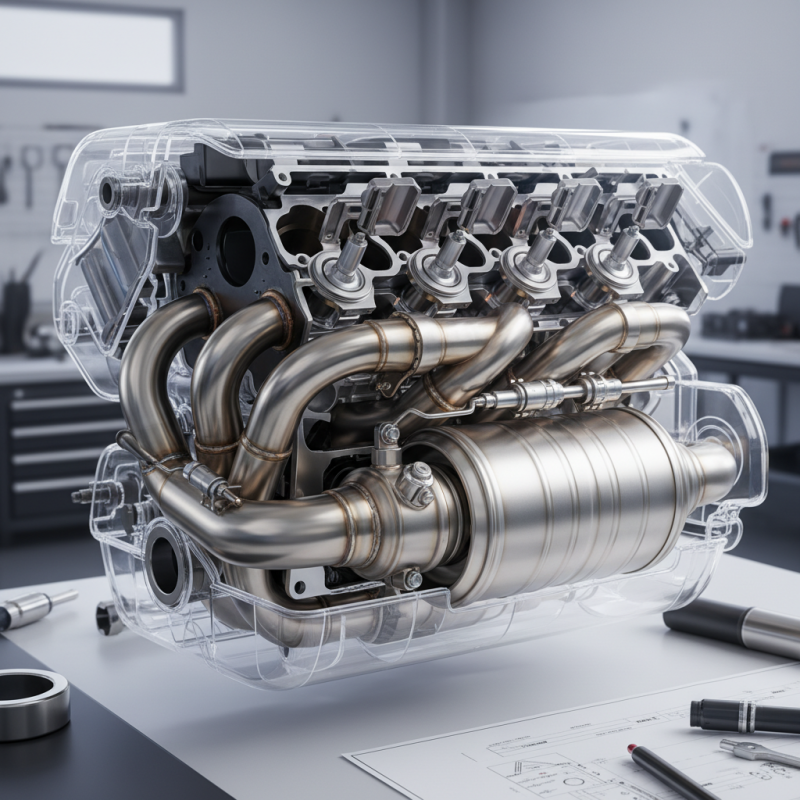
A valve exhaust system is essential in controlling engine emissions and enhancing performance. This system typically comprises several key components. These include the exhaust valves, control mechanisms, and the exhaust manifold. The exhaust valves allow spent gases to exit the combustion chamber. They must open and close at precisely timed intervals.
The control mechanisms manage the timing and operation of the valves. Advanced systems use electronic controls for improved efficiency. These controls ensure that the engine functions optimally under various conditions. However, they can be complex and prone to malfunction. Regular maintenance and checks are necessary to prevent costly repairs.
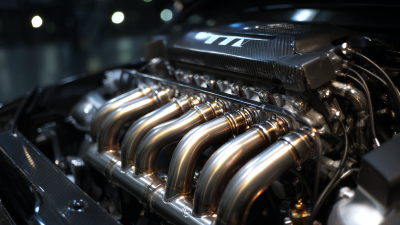
The exhaust manifold collects gases from multiple cylinders. It directs them to the rest of the exhaust system. A poorly designed manifold can hinder performance. It's crucial to ensure that all components work cohesively. With careful analysis, one can spot inefficiencies and make necessary adjustments. Understanding these elements is vital for anyone interested in automotive engineering.
The Functionality of Valve Exhaust Systems in Engine Performance
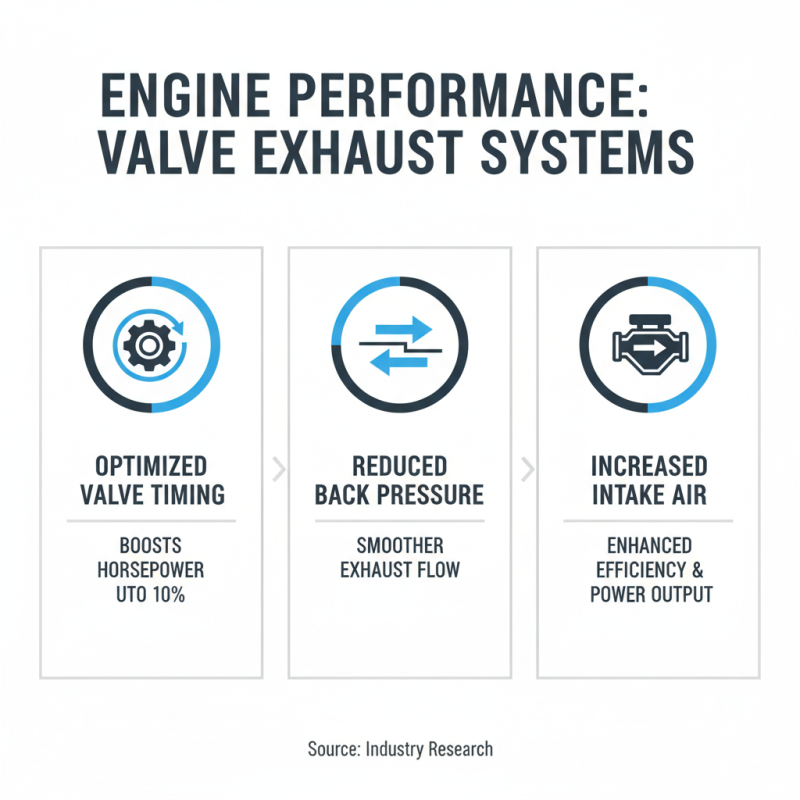
The functionality of valve exhaust systems plays a critical role in engine performance. Proper exhaust management enhances efficiency and power output. According to industry research, optimized valve timing can boost horsepower by up to 10%. This efficiency arises from reducing back pressure, which permits smoother exhaust flow and allows for increased intake air.
A valve exhaust system employs complex mechanisms to achieve optimal performance. Advanced systems now incorporate variable valve timing (VVT), adjusting the timing of exhaust valves depending on engine speed. VVT helps provide better fuel economy and lowers emissions. Reports indicate that using VVT can improve fuel efficiency by as much as 3-5% under normal driving conditions.
However, challenges persist. Not all vehicles are equipped with these advanced systems, leading to disparities in performance. Some may rely on outdated designs, resulting in higher emissions and poorer fuel economy. Engine tuning remains essential for maximizing the benefits of a modern valve exhaust system. Ignoring this aspect can negate the improvements that a well-designed exhaust system can offer.
Key Benefits of Implementing a Valve Exhaust System in Vehicles
The valve exhaust system plays a crucial role in modern vehicles. It enhances engine performance and minimizes emissions. By controlling the flow of exhaust gases, it ensures optimal engine efficiency. This system allows for better waste management and contributes to cleaner air.
Implementing a valve exhaust system offers several benefits. Improved fuel economy is one of the key advantages. When exhaust gases are managed effectively, the engine uses fuel more efficiently. This can lead to significant savings for the driver over time. Additionally, the system helps reduce noise levels, resulting in a quieter ride, which is increasingly desirable for many vehicle owners.
However, there are challenges to consider. Maintenance can be more complex and costly. Some systems may not be compatible with all vehicle types. This can lead to confusion during installation or repairs. Potential buyers should reflect on these factors before making decisions. Adopting this technology requires careful consideration of both benefits and drawbacks.
What is Valve Exhaust System and How Does it Work? - Key Benefits of Implementing a Valve Exhaust System in Vehicles
| Feature |
Description |
| Improved Engine Performance |
Enhances horsepower and torque by optimizing exhaust flow. |
| Fuel Efficiency |
Can lead to better fuel consumption by reducing back pressure. |
| Sound Control |
Offers a customizable sound profile, improving the driving experience. |
| Emission Reduction |
Helps lower harmful emissions by optimizing combustion. |
| Weight Reduction |
Lightweight materials can reduce overall vehicle weight. |
| Enhanced Engine Longevity |
Less engine stress translates to longer component life spans. |
Industry Standard Measurements for Valve Exhaust System Efficiency
The efficiency of a valve exhaust system is crucial in various industrial applications. Industry standards focus on specific measurements such as flow rate and pressure drop. A well-functioning system can improve performance and reduce energy consumption. For instance, maintaining a flow rate of 100 cubic feet per minute (CFM) can yield significant energy savings.
Pressure drop is another critical measurement. Studies indicate that a drop of more than 5 psi may indicate inefficiencies. Regular maintenance and monitoring can help keep these figures within industry standards. Notably, systems that meet or exceed a 92% efficiency rating demonstrate reliability. However, real-world systems often fall short of these ideal metrics.
It’s essential to consider the impact of component wear on performance. Dust and debris can accumulate, leading to pressure drops. This often requires reevaluation of the system’s design and materials. The knowledge gap about proper maintenance can affect overall efficiency. With ongoing research and development, the industry strives for better standards and practices.
Valve Exhaust System Efficiency Comparison
Recent Innovations and Trends in Valve Exhaust System Technology
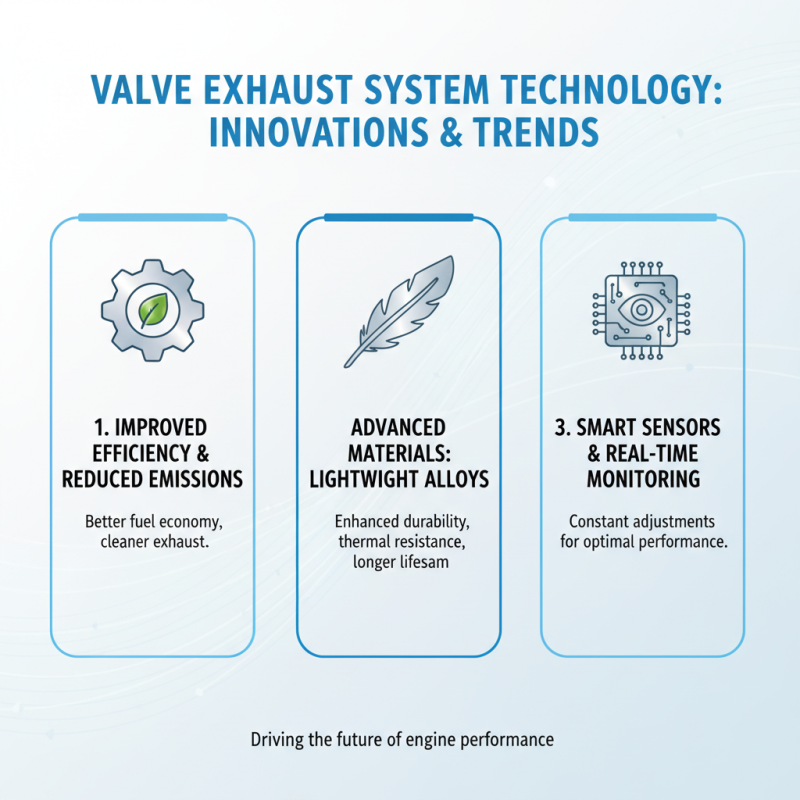
Recent Innovations and Trends in Valve Exhaust System Technology have significantly impacted engine performance. These advancements focus on improving efficiency and reducing emissions. New materials, like lightweight alloys, provide durability while enhancing thermal resistance. This can lead to longer-lasting components, reducing the need for replacements. Additionally, smart sensors are now integrated into these systems, allowing for real-time monitoring and adjustments.
Tips: Regular maintenance is crucial. Inspect valve exhaust systems for wear and tear. Small issues can escalate quickly, leading to costly repairs.
Another innovation is the development of variable valve timing technologies. This allows for adjustments based on engine speed and load, optimizing performance. However, the complexity of these systems may require specialized knowledge for proper calibration. Not all mechanics may have the training to service these advanced units effectively.
Tips: Seek professional guidance when dealing with complex exhaust systems. Inadequate service could result in poor performance or further damage.
Despite these advancements, challenges remain. Manufacturers still face issues with exhaust noise control and backpressure. Balancing efficiency and power output is a delicate task. Continuous research is essential to improve these systems further. The evolving technology in valve exhaust systems indicates a forward-thinking approach but also highlights areas needing attention.
 +86 17870576410