Looking for Something that’s not listed on our site?
Contact us and we can make it happen!

Leave Your Message

10 Best Valve Exhaust Systems for Performance and Value

A Valve Exhaust System gives drivers a choice: a quieter cabin for daily travel, or a fuller exhaust note when conditions allow. The appeal is easy to picture. Press a control, hear the valves move, and the car’s character changes. But sound alone is a poor buying guide.

SEMA’s 2024 market report estimated U.S. specialty-equipment sales at about $52.3 billion in 2023. That figure covers many product categories, not exhaust systems alone, so it shows market scale rather than valve-exhaust demand. Still, it reflects a large community of buyers seeking vehicle upgrades. Fitment matters. So do valve response, cabin drone, construction materials, installation requirements, warranty support, and clear product documentation. A polished sound clip cannot tell you how a system behaves on a cold start or during a long highway drive. That matters.

This guide compares ten systems for performance and value, using practical criteria rather than volume claims. Check whether each kit matches your exact vehicle and intended use. Confirm its sound-control features and applicable noise and emissions requirements before purchase. Some listings make comparison harder than it should be; marketing language can hide meaningful differences. I would also treat peak-power figures cautiously unless testing conditions are explained. A good system should sound right, fit correctly, and work consistently—not merely impress for a few seconds.
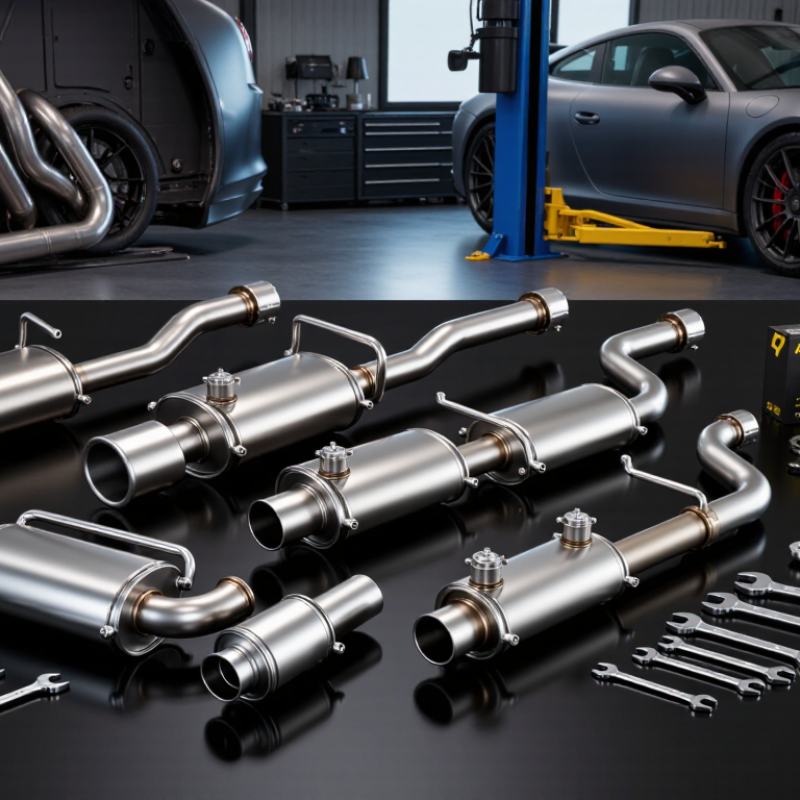
10 Best Valve Exhaust Systems for Performance and Value

How Valve Exhaust Systems Work and Affect Vehicle Performance

A valve exhaust changes the route and timing of exhaust flow, not the engine’s basic power source. At low load, the valve usually directs gases through muffling chambers, reducing cabin noise. Under heavier throttle, it may open a less restrictive path. The deeper note is immediate; extra power is not guaranteed. Pipe diameter, valve position, engine speed, and calibration all matter.

The U.S. Department of Energy’s gasoline-vehicle energy-flow chart estimates that engine losses account for about 68–72% of fuel energy, largely as heat. That figure covers total engine losses, not exhaust alone. A valve cannot reclaim all of it. On a chassis dynamometer, compare the same vehicle with the valve open and closed, under repeatable conditions. Small changes can disappear amid temperature or measurement variation. That part gets overlooked. A system may feel sharper because sound changes, even when measured wheel output barely moves. During a test drive, listen for a sudden volume jump and check whether low-speed torque feels weaker. Cite the DOE chart, and treat any claimed gain as vehicle-specific—not a universal result.


How Valve Exhaust Systems Work and Affect Vehicle Performance

The bars show a normalized valve-position scale: closed is 0%, halfway open is 50%, and fully open is 100%. Opening a valve changes the exhaust flow path and sound; its effect on power, torque, and noise depends on the vehicle, exhaust design, and control strategy. These are position settings, not measured performance results.

Key Factors for Comparing Sound, Fitment, and Value

Comparing a valve exhaust starts with the sound you want at different driving speeds. With the valves closed, listen for cabin drone around 1,800 to 2,500 rpm, not just idle volume. Open modes should add character without turning every commute into a constant shout. A phone recording can help, but it cannot reproduce bass or cabin resonance. That part is easy to miss.

Fitment deserves equal attention. Check pipe diameter, inlet and outlet positions, valve wiring, and clearance near the underbody. A system may fit a listed model year yet still need adjustments if the car has a different engine or factory option. Measure before ordering. Confirm whether the kit includes clamps, wiring, and a control switch; small omissions can add installation time. Published dimensions are useful, though real cars can vary slightly after repairs or modifications.

Value is more than purchase price. Compare material thickness, corrosion protection, actuator serviceability, warranty terms, and installation cost. Stainless construction may suit wet or salted roads, but grade and weld quality matter more than a shiny finish. Ask how replacement valves are sourced. A quiet closed mode sounds ideal on paper; in practice, seal wear or a loose actuator can change the result. Treat sound clips as clues, not proof.

Ten Valve Exhaust Systems Compared by Features and Price

Comparing ten valve exhaust systems means weighing sound control against fitment, materials, and cost. A valve can quiet the cabin during steady cruising, then open for a fuller exhaust note. Quiet when closed. Check whether the system uses an electric actuator or engine vacuum, and confirm that its controls suit your vehicle. Prices below are relative, since installation and vehicle-specific parts can change the total considerably.

A universal electric cutout is usually budget-priced, but may need extra fabrication.

A single-valve axle-back sits in the lower-to-middle range and changes sound without replacing the full exhaust.

A dual-valve axle-back costs more, offering finer control.

A single-valve cat-back is a mid-priced step with broader exhaust replacement.

A dual-valve cat-back tends to cost more and adds separate flow paths.

A vacuum-operated setup is often mid-priced, with fewer electronic controls.

A remote-controlled electric system commonly costs more for its actuator and wiring.

A stainless-steel dual-valve system usually commands a higher price and resists corrosion.

A lightweight alloy system can be premium-priced, though durability deserves close checking.

A vehicle-specific integrated system is often among the most expensive, but may offer cleaner fitment.

The ranking is imperfect: price alone says little about valve sealing, cabin resonance, or service access. Ask for the included hardware, warranty terms, and a written installed quote. A neat showroom sound can become tiring on a long highway drive. Fitment matters. Verify compatibility and local road-use requirements before buying.

Installation, Compatibility, and Long-Term Ownership Considerations

Before selecting a valve-controlled exhaust, match it to the exact model year, engine, and body style. Check pipe diameter, sensor locations, hanger positions, and rear-bumper clearance against the vehicle’s layout. Small details matter. An actuator connector that looks similar may still use different wiring or control logic. Find out whether the valves use factory controls, a separate switch, or a supplied controller; that choice affects installation time and everyday use. Do not assume a listing covers every trim. Written fitment confirmation is safer, though real-world tolerances can still surprise you.

Installation may require a lift, suitable tools, and careful support for the original pipes. Seized fasteners can turn a straightforward job into a longer one. Use the specified clamps or gaskets, tighten joints evenly, and inspect them for leaks after fitting. Listen for ticking and check clearance as the exhaust warms. Keep wiring clear of hot pipes and moving suspension parts. Over time, clean valve pivots and watch for uneven actuator movement. Short trips can leave extra moisture inside the system. That is easy to overlook. Stainless construction may resist corrosion, but neglected hardware can still wear. Budget for occasional adjustments, seals, or actuator service, not just the initial purchase. Valve sound can also seem much louder near homes than on an open road.

How to Choose the Right Valve Exhaust System for Your Needs

Choosing a valve exhaust system starts with fitment, not sound. Check the exact year, engine, body style, and existing exhaust layout. Then confirm how the valves operate: some use an electronic controller, while others rely on vacuum. A mismatch can mean extra wiring, awkward installation, or valves that do not respond as expected. Ask for a clear parts list before buying.

Think about how you actually drive. A quieter setting can make steady highway trips more comfortable, while an open setting may add volume under acceleration. Sound clips can mislead; phone microphones often flatten bass and exaggerate sharp tones. Listen in person if possible. Check the system’s material, weld quality, and warranty terms, and ask whether installation requires cutting or special tools. Small details matter.

Check local noise rules and consider your neighbors, too. More sound is not always better. Performance gains depend on the whole vehicle and setup, so treat big horsepower claims cautiously unless they include credible test conditions. There is no perfect setting for every drive, and I would not choose by appearance alone. A valve system adds moving parts; that trade-off is easy to underestimate. A reputable installer can help verify fitment and inspect valve operation after installation.