Top 10 Exhaust Valve Manufacturers in China for Global Buyers?
In the automotive industry, the significance of quality Exhaust Valves cannot be overstated. They are essential components that ensure optimal engine performance and efficiency. As global demand rises, buyers seek reliable manufacturers. China has emerged as a key player in the Exhaust Valve market, known for its innovative technology and competitive pricing.
This article explores the top 10 Exhaust Valve manufacturers in China. Each listed manufacturer has demonstrated expertise and commitment to quality. Understanding each company's strengths is crucial for global buyers. However, not all manufacturers maintain consistent standards. Some may excel in production but falter in support services. It’s important to evaluate multiple factors before making a decision.
Investing in Exhaust Valves from the right manufacturer can significantly enhance vehicle safety and longevity. With careful consideration, buyers can navigate through challenges and find trusted suppliers. Engaging with credible manufacturers ensures that performance expectations are met. This insight will empower buyers in their pursuit of excellence.
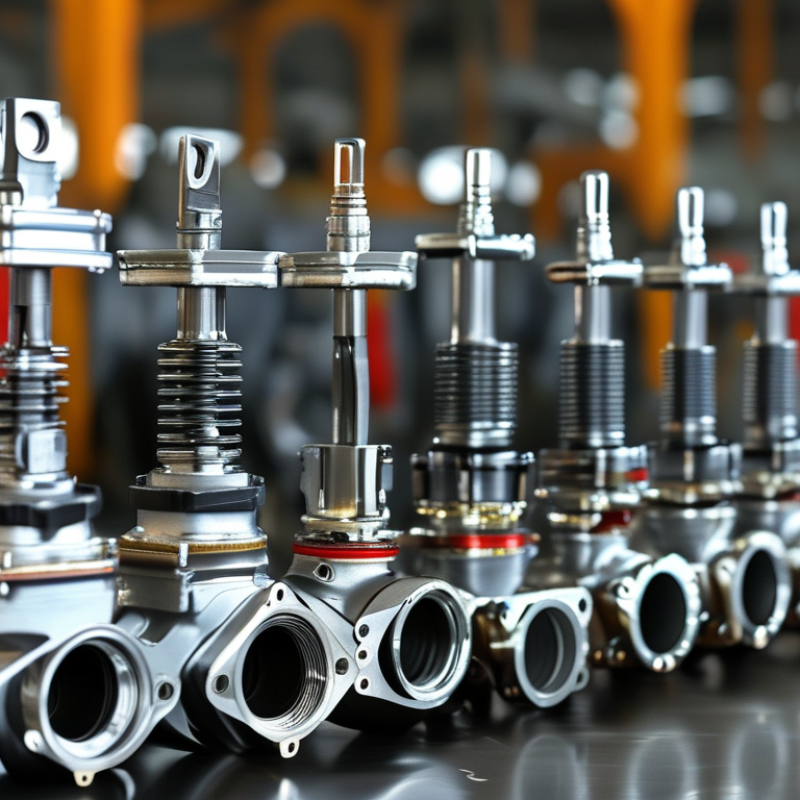
Overview of the Exhaust Valve Market in China: Key Statistics and Trends
The exhaust valve market in China is evolving rapidly. It plays a crucial role in the automotive and machinery sectors. The growing demand for energy-efficient engines drives innovations in this field. Key statistics indicate an annual growth rate of around 6% in the last few years.
Trends show a shift toward lightweight materials. Manufacturers are focusing on reducing production costs while maintaining quality. Advances in technology also contribute to improved valve performance. However, challenges remain. Some manufacturers struggle with the integration of new technologies and skilled labor shortages. This gap can hinder consistency in production quality.
The market is also impacted by environmental regulations. Companies must adapt to these changes to stay competitive. This landscape requires ongoing research and development. Overall, the future of the exhaust valve market in China appears promising, yet it demands continuous reflection and improvement from manufacturers.
Leading Exhaust Valve Manufacturers in China: A Comprehensive Analysis
In recent years, China has emerged as a key player in the global exhaust valve manufacturing industry. According to industry reports, the country accounts for approximately 30% of the global exhaust valve production. This rapid growth can be attributed to increasing automotive production and stringent emission regulations in various markets.
Chinese manufacturers utilize advanced technology and engineering practices. They focus on enhancing performance and durability, essential factors for global buyers. The market is also seeing a trend towards lightweight materials and innovative designs. Data suggests that nearly 70% of companies are investing in research and development to meet new standards.
However, challenges persist. Quality control remains a concern for many manufacturers. Reports indicate that around 20% of products may not meet international specifications. Buyers must conduct thorough audits and assessments. Supply chain disruptions have also posed threats. Diversifying sourcing options can mitigate these risks. Understanding these dynamics helps buyers navigate the complexities of sourcing from China.
Analysis of Exhaust Valve Production Capacity in China
Market Share and Competitive Landscape of Chinese Exhaust Valve Producers
The Chinese exhaust valve market has seen significant growth in recent years. Multiple manufacturers have emerged, catering to various segments of the global automotive industry. This expansion is partly due to China's strong manufacturing capabilities and low production costs. Key players have developed advanced technologies, improving valve performance and durability. However, the competition remains fierce.
Many manufacturers focus on enhancing product quality to gain market share. Some have invested heavily in research and development. This effort aims to innovate and meet international standards. However, not all producers achieve the same level of success. Some struggle to maintain consistent quality, which can impact their reliability in the global market.
The competitive landscape is varied. Established companies dominate, but newer entrants challenge their positions. This creates a dynamic environment where companies must continually adapt. They face pressure to reduce costs while improving specifications. As a result, the market is in a state of flux, and manufacturers must carefully assess their strategies to thrive.
Emerging Technologies in Exhaust Valve Manufacturing in China
In recent years, China's exhaust valve manufacturing sector has adopted emerging technologies that enhance efficiency and precision. Industry reports indicate that new materials, such as advanced alloys and composites, are revolutionizing valve production. These innovations improve heat resistance and reduce the weight of exhaust valves, making them more suitable for high-performance applications.
Automation plays a crucial role in modern manufacturing processes. The integration of robotics and AI-driven systems in production lines has increased output while minimizing errors. According to a 2022 market analysis, automation can decrease manufacturing costs by up to 30%. However, many small manufacturers struggle to keep pace with these advancements. They often lack the capital to invest in modern machines or training programs for staff.
Digital twin technology is another notable advancement. It creates virtual replicas of manufacturing processes, allowing for real-time monitoring and optimization. A recent study highlighted that companies using this technology reported a 15% improvement in production efficiency. Yet, the complexity of implementing such systems can be a barrier for small- to medium-sized enterprises. This highlights the need for ongoing support and resources in the industry to ensure competitiveness on a global scale.
Global Demand for Chinese Exhaust Valves: Insights and Projections
The global demand for exhaust valves is on the rise, driven by increasing automotive production and stringent emission regulations. As manufacturers focus on enhancing engine efficiency, the role of exhaust valves becomes critical. These components help control the flow of exhaust gases, which impacts overall engine performance.
In China, the exhaust valve manufacturing sector has seen significant growth. Enhanced production techniques and advanced materials have improved valve durability and reliability. However, the industry faces challenges such as fluctuating raw material costs and increasing competition. Manufacturers must adapt to these changes to maintain their market edge.
Moreover, collaboration with global buyers is essential for mutual growth. Understanding diverse market needs can lead to innovative designs. Exploring new technologies and manufacturing processes will be vital. This sector's future depends on balancing quality with cost-effectiveness while remaining resilient to external pressures.
 +86 17870576410