2026 How to Choose Flexible Exhaust Tubing for Best Performance?
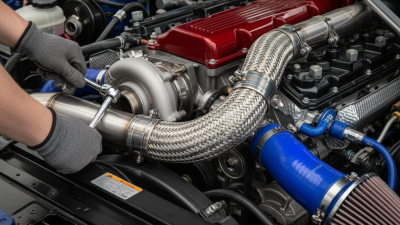
Choosing the right flexible exhaust tubing is essential for optimal vehicle performance. With various options available, the decision can be overwhelming. Flexible exhaust tubing allows for easy installation and adaptability in tight spaces. It can enhance exhaust flow, contributing to better engine efficiency.
Selecting the right materials is crucial. Stainless steel and aluminized steel are popular choices. Each offers unique benefits, but their durability varies. The connection types, such as clamps or welds, can affect installation ease. It’s important to consider how these factors influence overall performance.
Many enthusiasts overlook sizing. The diameter of the tubing must match the system for efficiency. Too large or too small can hinder exhaust flow. Additionally, proper support and routing are necessary to prevent unnecessary damage. Reflecting on these details is essential for long-term satisfaction. Your performance enhancement journey begins with informed choices about flexible exhaust tubing.
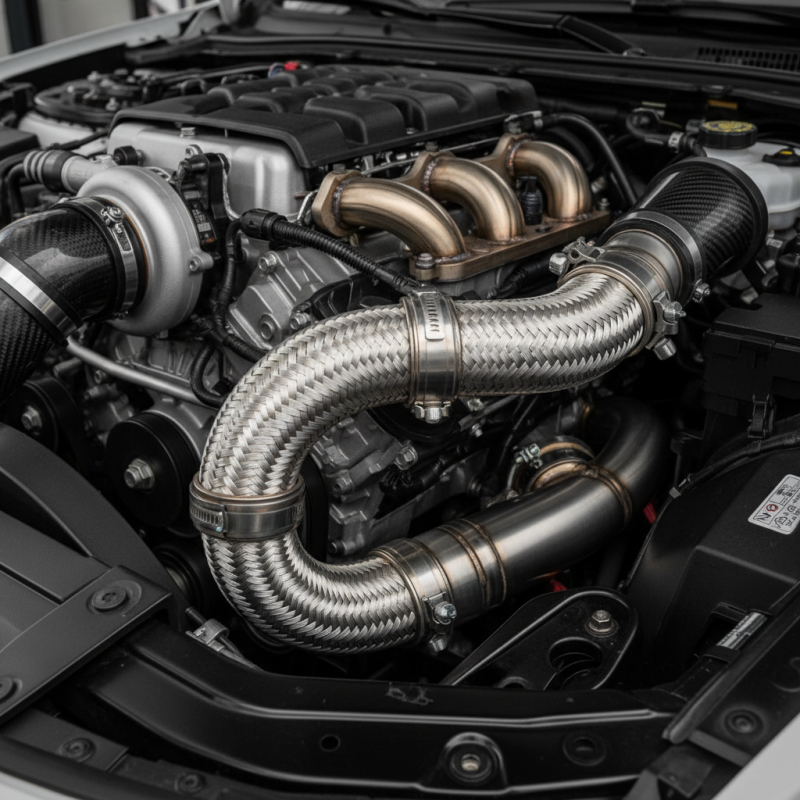
Understanding Exhaust Tubing Types and Materials
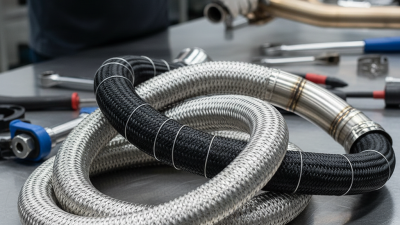
When selecting flexible exhaust tubing, understanding the types and materials is crucial. Different materials offer varying degrees of durability, heat resistance, and flexibility. Common options include stainless steel, aluminized steel, and silicone. Stainless steel, known for its longevity, resists corrosion effectively. Aluminized steel, while less expensive, may corrode faster in harsh conditions. Silicone tubing is highly flexible, making it suitable for tight spaces but may have a shorter lifespan.
Try to assess your vehicle’s environment. If you drive in wet or salty areas, choose a material with better corrosion resistance. For high-performance engines, stainless steel could offer better heat resistance, improving overall efficiency. It’s wise to evaluate your budget. A lower-cost option might seem appealing, but could lead to more repairs over time.
Remember to consider the tubing diameter. An oversized tube may lead to reduced back pressure, impacting performance. Conversely, a tube that’s too small can restrict airflow, harming efficiency. Finding the right balance is key. Sometimes, users overlook this aspect, leading to performance issues that are hard to diagnose. Don't rush your decision. Take your time to weigh your options carefully.
Evaluating the Performance Factors of Flexible Exhaust Tubing
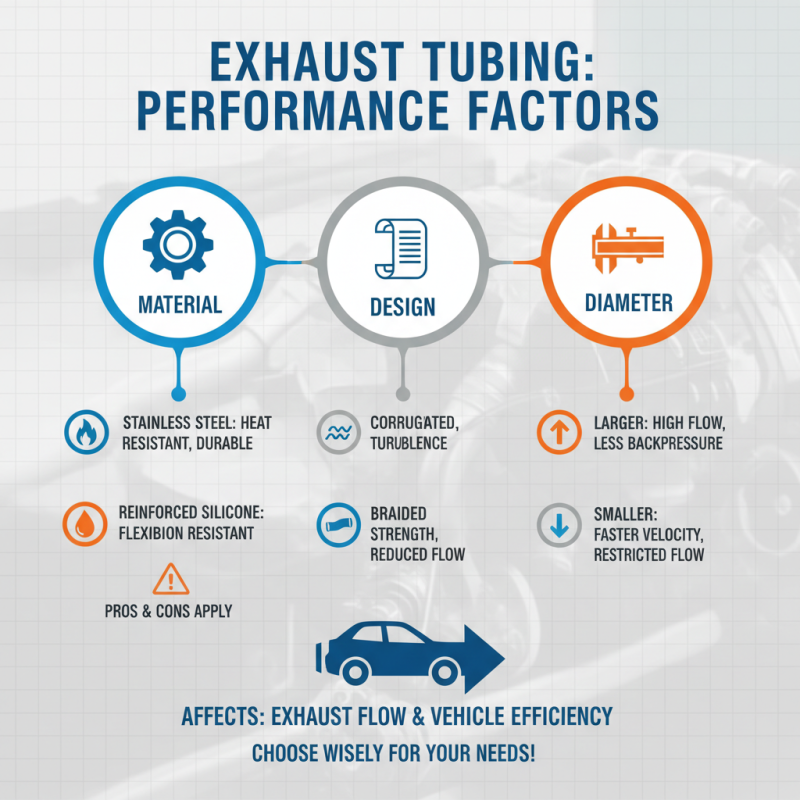
When choosing flexible exhaust tubing, performance factors play a crucial role. The material, design, and diameter significantly affect exhaust flow and overall vehicle efficiency. Options like stainless steel or reinforced silicone can offer different benefits, such as heat resistance and durability. However, each material has its shortcomings, and not every type will suit your needs.
Thermal expansion is another consideration. Excessive heat can affect tubing integrity over time. A proper fit is critical to avoid leaks. In some cases, the flexibility might not be worth it if it sacrifices performance. It's essential to balance ease of installation with durability. Always assess your specific application to achieve optimal outcomes. Identifying potential issues early can save time and money later.
In addition, the length of the tubing can influence back pressure. Shorter lengths generally offer better performance, yet the right length depends on your exhaust system's design. Occasionally, trial and error is necessary to find the optimal setup. Listening to feedback from peers in the industry can also aid in making informed choices.
Measuring Compatibility with Vehicle Specifications
When choosing flexible exhaust tubing, compatibility with vehicle specifications is crucial. Correct measurements ensure optimal performance. Gather detailed specifications of your vehicle's exhaust system. Many car models have unique layouts and sizes for exhaust components. For example, a 2021 study revealed that mismatched tubing could decrease engine efficiency by up to 20%.
Exhaust diameter is a vital factor. Tubing that is too large or too small may disrupt airflow. The National Institute for Automotive Service Excellence recommends maintaining optimal diameters specified by the manufacturer. Additionally, consider the material used in flexible exhaust tubing. Stainless steel is a popular choice for its durability and resistance to corrosion, yet it may increase installation complexity. Lightweight options might pose risks of damage under high-performance usage.
Even experienced mechanics can encounter issues during installation. Tubing should be adaptable to your vehicle’s bends and curves. Improper measurements can lead to leaks. A report from the Automotive Engineering Institute emphasized that a 5% gap in connections can amplify noise and disrupt the exhaust flow. Each vehicle is unique, and precise adjustments are essential for achieving desired performance metrics.
Assessing Installation Requirements for Optimal Use
When installing flexible exhaust tubing, assessing the specific requirements is crucial for achieving optimal performance. Begin by measuring the available space and determining the bends needed. Flexible tubing can adapt to tight areas, making it ideal for complex layouts. However, improper sizing can lead to restrictions and inefficiencies.
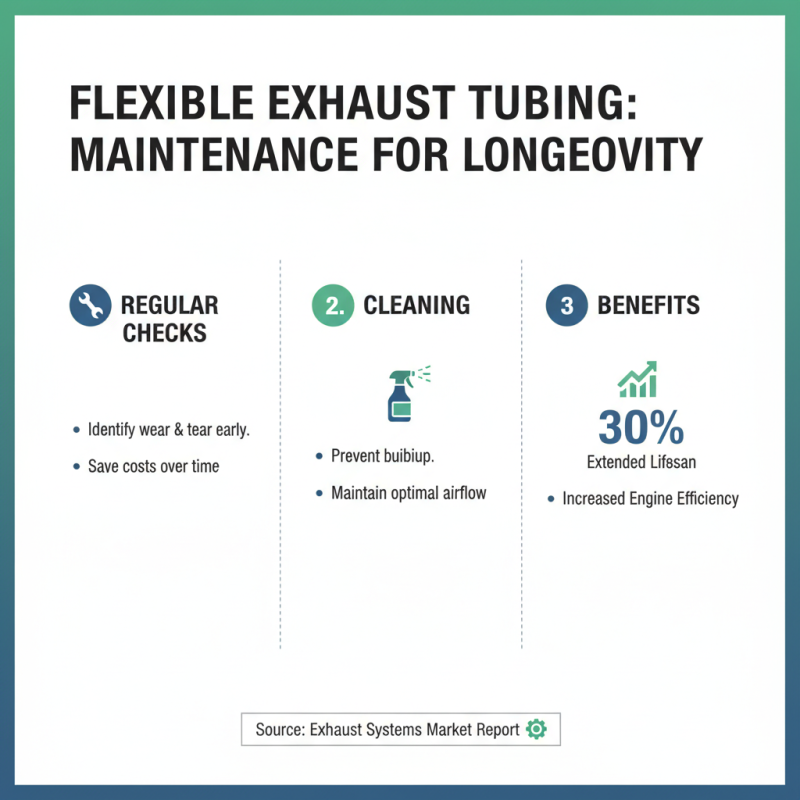
Consider the temperature and pressure conditions of your system. High heat can cause certain materials to degrade quickly. Using the wrong type may lead to premature failure, requiring frequent replacements. Furthermore, check for compatibility with other components to ensure a seamless fit. Over time, systems can wear out. Regular inspections can help identify any issues early on.
Installation techniques also play a role. Securing the tubing correctly will prevent leaks and misalignments. Use appropriate connectors and clamps to enhance reliability. Although it can be tempting to rush through the process, careful installation can save you from future headaches. Remember, flexibility shouldn't compromise stability. Each detail matters, so take your time to ensure everything is set perfectly.
2026 How to Choose Flexible Exhaust Tubing for Best Performance? - Assessing Installation Requirements for Optimal Use
| Dimension |
Material Type |
Temperature Rating (°F) |
Flexibility Rating (1-10) |
Typical Use Case |
| 2.5 inches |
Aluminum |
400 |
8 |
Sport Cars |
| 3 inches |
Stainless Steel |
1500 |
6 |
Heavy-Duty Vehicles |
| 4 inches |
Fiberglass |
300 |
9 |
Motorcycles |
| 5 inches |
Rubber |
250 |
10 |
Recreational Vehicles |
 +86 17870576410