How to Choose the Best Flexible Muffler Pipe for Your Vehicle?
Choosing the best Flexible Muffler Pipe for your vehicle can seem daunting. With so many options available, decision-making becomes challenging. An industry expert, John Smith, emphasizes, "Not all flexible pipes are created equal." Understanding the nuances is crucial.
Flexible Muffler Pipes serve multiple purposes. They can reduce vibrations, enhance exhaust flow, and even provide a smoother ride. However, improper selection may lead to inefficiency and excessive noise. It's essential to assess your vehicle’s specific needs carefully.
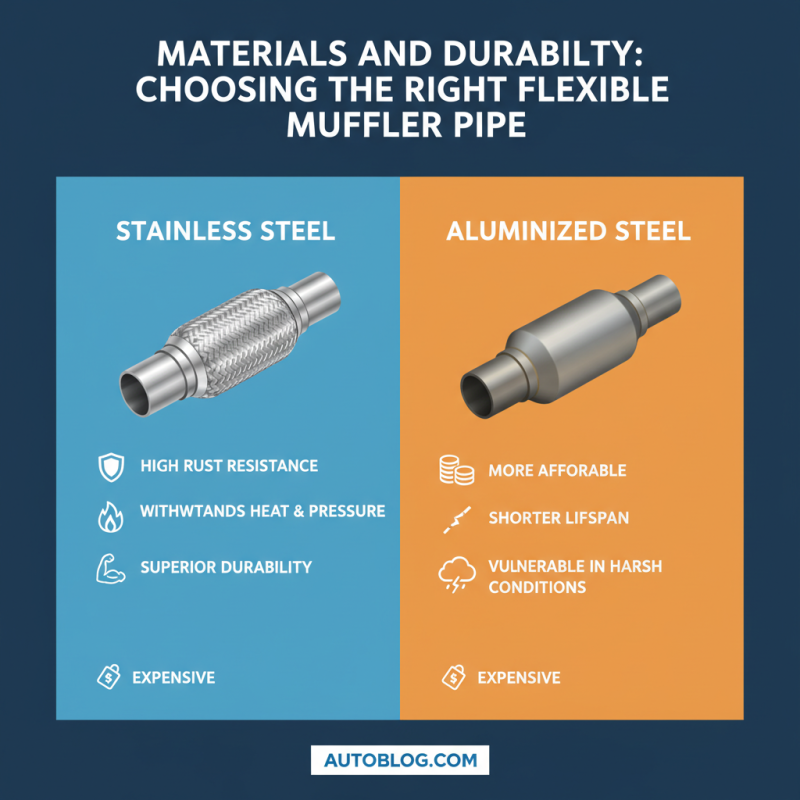
Potential buyers often overlook material quality. Stainless steel, for instance, offers durability and resistance to corrosion. However, some might favor lower-cost alternatives, risking long-term performance. Remember, investing in the right Flexible Muffler Pipe can save time and money in repairs down the road. Be thoughtful in your choices.
Understanding Flexible Muffler Pipes and Their Functionality
Flexible muffler pipes play a crucial role in vehicle exhaust systems. They allow for movement and alignment adjustments between the exhaust components. This flexibility helps to absorb vibrations and reduce stress on the pipe connections. As a result, the overall lifespan of the exhaust system can potentially improve.
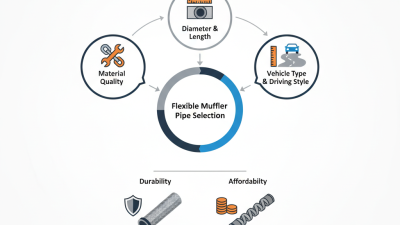
Choosing the right flexible muffler pipe involves considering several factors. You need to assess the size and material of the pipe. The pipe must be compatible with your vehicle's exhaust system. It’s common to find various materials such as stainless steel or rubber. Each material offers different durability levels and noise-reduction capabilities.
Installation can be tricky. You might find that fitting the pipe requires some tools and patience. Misalignment can lead to leaks or damage. While flexible pipes simplify many issues, they are not a one-size-fits-all solution. Check the specifications carefully to avoid mismatches. Doing so will prevent future complications and ensure a smooth ride.
Key Factors to Consider When Selecting a Muffler Pipe
When selecting a flexible muffler pipe for your vehicle, consider important factors. The material is crucial. Stainless steel offers durability and resistance to corrosion. Aluminum, while lighter, may not withstand high temperatures as well. According to industry reports, up to 70% of muffler issues stem from material fatigue.
The diameter of the pipe also matters. A mismatched diameter can affect exhaust flow and vehicle performance. For optimal results, choose a diameter that matches your engine specifications. A report from the Automotive Industry Association indicates that a proper fit enhances engine efficiency by nearly 15%.
Tips: Always check the exhaust flow rate. Testing different pipes can reveal significant performance differences. Don't underestimate sound levels. A muffler that is too loud can lead to discomfort. Remember to consider installation. Some pipes require professional help, and installation costs vary widely.
In summary, while the choice seems straightforward, the nuances can lead to poor decisions. Prioritize researching and evaluating each option carefully. This could save you unnecessary expenses in the long run.
Sizing and Compatibility with Your Vehicle Model
Choosing a flexible muffler pipe for your vehicle requires careful consideration of sizing and compatibility. The first step is to know your vehicle model. Different models have unique specifications that dictate what type of muffler can be installed. Many drivers overlook this detail. Not checking compatibility can lead to performance issues or even damage.
You also need to measure the existing piping. Use a tape measure to determine the diameter and length of your current exhaust system. Be precise, as a slight mismatch can affect installation. If your vehicle has modifications, such as a lifted suspension or a custom exhaust setup, you need to account for those changes. Flexible pipes are designed to adapt, but they still require the right fit.
Consider consulting with professionals or seeking advice online. Many discussions focus on basic information, lacking in-depth insights. Being well-informed is crucial. You might find that your vehicle performs better with a specific type of flexible pipe that is not initially obvious. Therefore, take the time to explore various options and weigh their advantages and disadvantages. This way, you will ensure that your choice enhances vehicle performance and meets your driving needs.
Flexible Muffler Pipe Types and Their Compatibility with Vehicle Models
This chart illustrates the number of compatible flexible muffler pipe types across different vehicle categories. It is essential to understand that the compatibility depends on the specific vehicle model, and the selected muffler pipe should align with both the sizing and specifications of your vehicle for optimal performance.
Installation Process and Maintenance Tips for Muffler Pipes
When it comes to installing a flexible muffler pipe, understanding the process is crucial. First, make sure you have the right tools. A socket wrench, screws, and clamps are essential for a secure installation.
Start by lifting the vehicle safely on jack stands. Then, measure the old pipe and cut the new flexible pipe to length. According to industry studies, improper measurements can lead to leaks, wasting up to 15% of your system's efficiency.
After cutting, attach the flexible pipe to the existing exhaust components. Use high-temperature exhaust clamps for a secure fit. Provide extra attention to junctions, as they are prone to wear. Maintain regular visual checks for signs of rust or cracks. Industry data reveals that neglected pipes can reduce a vehicle's exhaust efficiency by 30%. Ensure you schedule maintenance every few months.
Remember, even slight misalignments can cause severe noise and performance issues. Regular cleaning and inspection can significantly enhance the lifespan of the muffler pipe. Sometimes, the simplest tasks are the most overlooked. Keep an eye out for any unusual noises during operation. These could indicate installation errors or potential damages.
 +86 17870576410