How to Choose the Best Stainless Steel Exhaust Tubing?
Choosing the right stainless steel exhaust tubing can significantly impact your vehicle's performance. Renowned automotive expert, John Smith, emphasizes, "Quality materials lead to better performance." This insight underscores the importance of selecting durable options.
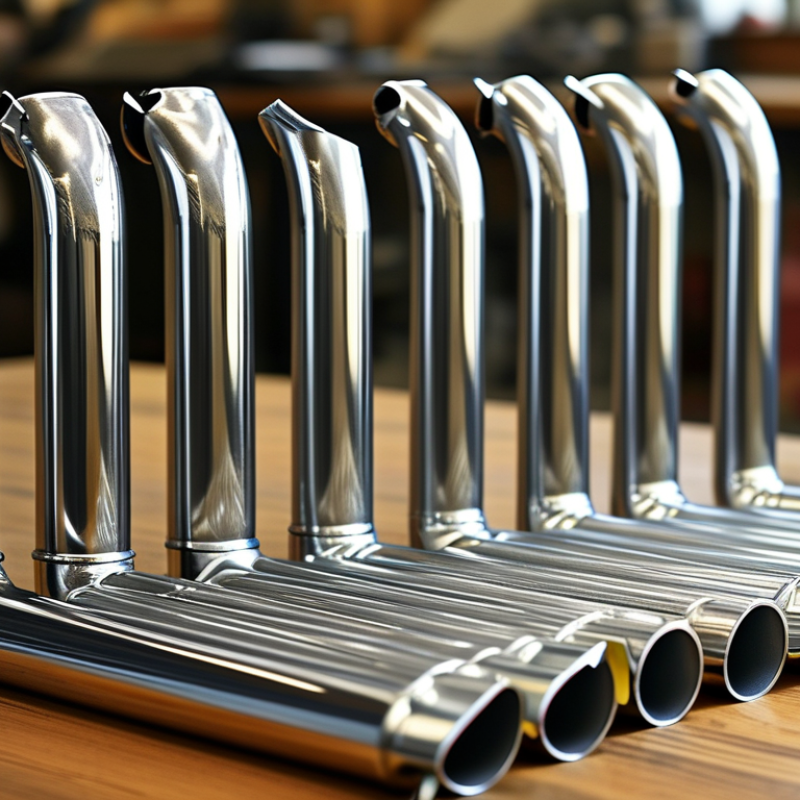
Stainless Steel Exhaust Tubing is favored for its corrosion resistance and strength. However, not all tubing is created equal. One must consider factors like grade, thickness, and design. These elements can affect installation and long-term outcomes.
The market offers various products, which can be overwhelming. Relying on expert recommendations is crucial. It's easy to overlook the quality for cheaper alternatives. Reflect on the long-term value rather than immediate savings. Your choice in exhaust tubing can influence both sound and efficiency.
Factors to Consider When Choosing Stainless Steel Exhaust Tubing
Choosing stainless steel exhaust tubing requires careful consideration of several key factors.
One critical aspect is the material grade. For exhaust systems, austenitic stainless steels like
304 and 316 are popular choices due to their corrosion resistance. According to industry data,
304 stainless steel offers excellent heat resistance and can withstand temperatures of up to 870°C.
This capability makes it suitable for high-performance applications. However,
316 stainless steel, enriched with molybdenum, provides even better resistance to chloride corrosion,
essential for coastal environments.
Another factor to think about is the tubing diameter. A larger diameter allows for better exhaust flow,
which can improve engine performance. However, going too large might lead to a decrease in backpressure,
affecting torque. A study from the Society of Automotive Engineers suggests that optimizing diameter can
lead to an increase in horsepower by 5-10%.
Also, consider the tubing thickness. A thicker wall can enhance durability and reduce the risk of dents and damage.
However, this may also add weight, which could be counterproductive for performance vehicles. Balancing these factors
requires understanding your vehicle's specific needs. It can sometimes be challenging to find the ideal compromise,
which can lead to trial and error.
Types of Stainless Steel Alloys and Their Properties for Exhaust Systems
When selecting stainless steel exhaust tubing, understanding the different alloys is crucial. The most common options include 409, 304, and 316 stainless steel. Each alloy possesses unique properties that can impact durability, corrosion resistance, and overall performance.
Alloy 409 is often chosen for its affordability. It offers decent rust resistance, but it isn't as robust as others. This might work for non-turbo applications, but the potential for quicker degradation is a consideration. Meanwhile, 304 stainless steel is a popular choice for many exhaust systems. It provides excellent corrosion resistance and handles high temperatures well. However, it comes at a higher cost.
Some may opt for 316 stainless steel, particularly in marine environments. Its resistance to pitting corrosion makes it ideal for harsh conditions. Yet, its weight can be a downside. Balancing these factors requires thoughtful consideration. The right choice influences not only the lifespan of the exhaust system but also performance. Reflecting on how often the vehicle faces extreme conditions can influence better decision-making. Each alloy has merits and drawbacks, so weighing these carefully is essential.
Types of Stainless Steel Alloys for Exhaust Systems
This chart displays the common types of stainless steel alloys utilized in exhaust systems and their respective properties such as corrosion resistance, heat resistance, and strength. Each alloy type has unique advantages suited for different applications in vehicle exhaust systems.
Understanding Exhaust Tubing Diameter: Impact on Performance
Choosing the right exhaust tubing diameter is crucial for vehicle performance. A well-chosen diameter helps in optimizing airflow, which directly impacts engine efficiency. According to a study by the Society of Automotive Engineers, an increase in exhaust pipe diameter by just one inch can improve scavenging and decrease back pressure by up to 10%. This leads to a noticeable boost in horsepower and torque.
However, larger isn’t always better. An excessively large diameter can impede proper exhaust flow at lower RPMs. This may result in a loss of torque, especially in vehicles designed for everyday driving rather than racing. Observations from automotive engineers suggest that maintaining a balance is key. A diameter that suits the specific engine size and configuration can enhance performance without sacrificing drivability.
Additionally, materials play a role. Stainless steel provides durability and corrosion resistance. Reports from automotive research highlight that high-quality stainless steel tubing can withstand extreme conditions and extend the life of exhaust systems. Reflecting on your vehicle's intended use and engine characteristics can guide you in selecting the best diameter for optimum performance.
How to Choose the Best Stainless Steel Exhaust Tubing? - Understanding Exhaust Tubing Diameter: Impact on Performance
| Diameter (inches) |
Typical Applications |
Impact on Performance |
Recommended for HP Range |
| 2.25 |
Compact Cars |
Balanced performance and torque |
100-150 HP |
| 2.5 |
Sport Cars |
Improved high RPM power |
150-250 HP |
| 3.0 |
Muscle Cars |
Optimal flow for performance builds |
250-400 HP |
| 3.5 |
High-Performance Vehicles |
Maximized horsepower and exhaust flow |
400+ HP |
Evaluating Cost vs. Durability in Stainless Steel Exhaust Tubing Options
When choosing stainless steel exhaust tubing, it's crucial to evaluate both cost and durability. The two primary grades used in automotive exhaust systems are 409 and 304 stainless steel. Grade 409 is often less expensive and offers decent resistance to corrosion, making it a suitable choice for budget-conscious consumers. However, it may not last as long as 304, which is more robust and withstands higher temperatures. A recent industry report indicates that while 409 stainless steel exhaust systems may save about 30% upfront, they could lead to higher replacement costs in the long run due to decreased durability.
To make an informed decision, inspect the warranty offered by manufacturers. A longer warranty often indicates confidence in durability. Furthermore, consider environmental factors like humidity and road salt exposure in your area, as these can accelerate corrosion.
Evaluate installation costs as well. Professional installation can drive up expenses, especially for more complex systems. Doing thorough research may save money and provide better longevity. Pay attention to details, such as pipe thickness and the quality of welds. These factors significantly affect performance and lifespan. Remember, the cheapest option isn't always the best. Choosing the right stainless steel exhaust tubing is about finding the balance between initial investment and long-term value.
Installation Techniques for Optimal Performance of Exhaust Tubing
When installing stainless steel exhaust tubing, attention to detail is essential. Proper alignment is crucial to prevent leaks. Ensuring each section fits tightly will enhance performance and longevity. For effective alignment, utilize a level to check your work periodically.
Consider using high-quality clamps and hangers. They hold the tubing securely. Loose fittings can lead to rattling and loss of performance. Don’t rush this stage; double-check each connection before finalizing the installation. If a section feels off, take the time to adjust it.
Welding can offer a more permanent solution. A good weld creates a stronger bond. However, welding requires skill. If you’re inexperienced, it might be better to seek professional help. Reflect on your capabilities before attempting it. Each mistake can lead to costly repairs down the line. Aim for precision, and remember that small details make a big difference.
 +86 17870576410