How to Choose the Best Exhaust System for Your Vehicle?
Choosing the right exhaust system for your vehicle can be challenging. With numerous options available, it's vital to identify the best fit. An exhaust system not only influences performance but also alters sound and aesthetics. Enthusiasts often debate between aftermarket and factory systems. Each choice has its pros and cons, and understanding them is crucial.
When selecting an exhaust system, consider quality materials. Stainless steel is a popular choice for durability and corrosion resistance. However, some may compromise on material quality to save costs. It's essential to weigh the benefits against the potential need for replacements over time. A less expensive system might seem appealing, but it may underperform or wear out quickly.
You might also reflect on your driving style. For aggressive driving, a performance-oriented exhaust system could enhance horsepower and torque. However, this might lead to increased noise levels, which may not be desirable for all drivers. Therefore, balancing performance with daily usability is key. Ultimately, investing time in research will aid in making a well-informed decision for your car’s exhaust system.
Understanding Exhaust System Types and Their Functions
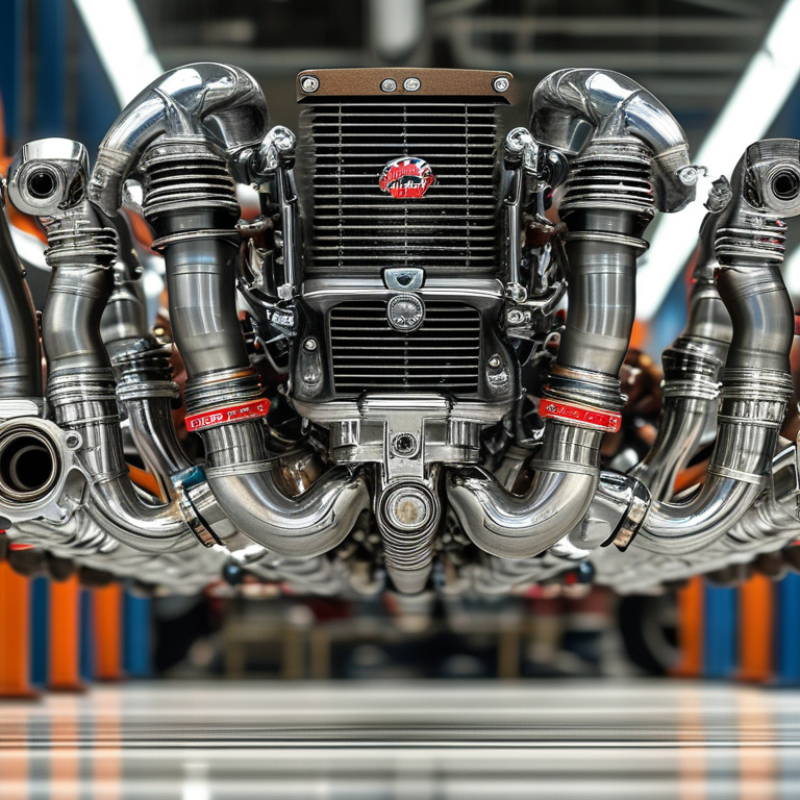
When selecting an exhaust system for your vehicle, understanding the different types is crucial. The most common types include the single exhaust, dual exhaust, and cat-back systems. Single exhausts are cost-effective and often easier to install. They provide adequate performance for everyday vehicles. Dual exhaust systems can enhance performance by allowing better airflow, making them suitable for performance vehicles. Cat-back systems replace components from the catalytic converter back, providing improved sound and efficiency.
Tips: Consider your vehicle's engine size when choosing an exhaust system. A system that is too large can lead to a loss of low-end torque. Remember that not all exhaust types match every vehicle. Research and gather data to ensure that your choice aligns with your driving needs. According to recent studies, a well-chosen exhaust system can improve fuel efficiency by up to 10%. The efficiency gain varies based on the engine type and driving style.
Keep in mind, however, that upgrading your exhaust may not always translate to significant power gains. Poor installation can lead to exhaust leaks, which impact performance negatively. It's easy to overlook the importance of quality installation. Seek advice from professionals to ensure the best outcome for your vehicle. Thus, it’s essential to weigh both the perks and possible drawbacks of each exhaust type before making a decision.
Exhaust System Types and Their Functions
Factors to Consider When Choosing an Exhaust System
Choosing the right exhaust system for your vehicle involves several crucial factors. One important aspect is the material used in the system. Stainless steel is a popular choice due to its durability and resistance to rust. However, mild steel can be a more cost-effective option. Both materials have their pros and cons, and the right choice depends on your budget and driving conditions.
Another key factor is the sound level. Different exhaust systems produce varying sounds. Some drivers prefer a deep, throaty growl, while others may want a quieter ride. It’s essential to listen to sound clips or visit local vehicles with similar setups before deciding. Also, consider local noise regulations to avoid unwanted fines or issues.
Fitment is also critical. An exhaust system must fit well with your vehicle’s existing components. Poor fit can lead to leaks and decreased performance. Always check compatibility and installation requirements. Do thorough research or consult with professionals if unsure. A well-chosen exhaust system can greatly enhance performance, but the wrong one may cost you in the long run.
Assessing Compatibility with Your Vehicle Model
When choosing an exhaust system, compatibility with your vehicle model is critical. Each vehicle has specific requirements based on its make, model, and engine type. Considerations like the exhaust diameter and hub design must align with your vehicle's specifications. Mismatched components can lead to performance issues and even mechanical failure.
Conduct proper research on your vehicle. Utilize reliable resources like manufacturer manuals or trusted automotive forums. Gathering insight from experienced users can provide valuable perspectives. Don't hesitate to ask questions within communities that focus on your vehicle. Peer advice often reveals what parts work best and their possible drawbacks.
Keep in mind that upgrading your exhaust system can change your vehicle's sound and performance. Some users may overlook emission regulations or noise limits. Be aware of these factors, as they affect legality and street use. Exploring aftermarket options requires careful thought and thorough understanding of your vehicle's needs. Balance performance with compliance for the best outcome.
How to Choose the Best Exhaust System for Your Vehicle? - Assessing Compatibility with Your Vehicle Model
| Vehicle Model |
Exhaust Type |
Material |
Performance Gain |
Noise Level |
Compatibility |
| Honda Civic 2020 |
Cat-Back |
Stainless Steel |
+10 HP |
Moderate |
Compatible |
| Ford F-150 2021 |
Axle-Back |
Mild Steel |
+15 HP |
Loud |
Compatible |
| Chevrolet Camaro 2019 |
Header-Back |
Aluminized Steel |
+20 HP |
Very Loud |
Not Compatible |
| Toyota Corolla 2018 |
Cat-Back |
Stainless Steel |
+8 HP |
Quiet |
Compatible |
| Subaru WRX 2020 |
Cat-Back |
Titanium |
+25 HP |
Loud |
Compatible |
Exploring Performance vs. Sound Preferences
When it comes to choosing an exhaust system, sound preferences play a crucial role. Some drivers crave a deep, throaty growl. Others prefer a subtle purr that doesn't draw too much attention. The sound affects not only how the vehicle feels but also how it is perceived by others. A louder exhaust can create an aggressive image, perfect for those who love to make a statement. Yet, this isn't for everyone.
Performance and sound often go hand in hand, but they require careful consideration. A performance system can enhance engine efficiency and boost horsepower. However, this may come at the cost of increased noise. Finding the right balance is essential. Some may opt for a system that provides a good mix of both without being obnoxious.
Think about your local environment too. In quieter neighborhoods, an excessively loud exhaust can be problematic. Restrictions on noise levels vary by location. A good choice takes these factors into account, ensuring you enjoy the sound without drawing unwanted attention. Reflect on what type of driver you want to be. Is it about sound, performance, or a harmonious mixture of both?
Installation Options: DIY vs. Professional Assistance
When considering an exhaust system, installation options should be a focus. You can choose between DIY installation and seeking professional assistance. Each option presents its pros and cons. DIY kits often come with all necessary components, making them appealing. However, the process can be complex and time-consuming, requiring mechanical skill and tools.
Professional installation is usually more straightforward. Trained mechanics can handle the job efficiently, ensuring everything is fitted correctly. They can also address potential issues that a novice might overlook. This option may cost more, but it often saves time and reduces stress for those unfamiliar with car mechanics. However, some mechanics may overlook specific preferences, leading to a less personalized fit.
Reflect on your own abilities before deciding. If you're confident in your skills and tools, DIY can be rewarding. But if you're unsure, it's wiser to seek expert help. Ultimately, the right choice depends on your comfort level and the specific requirements of your vehicle.
 +86 17870576410