How to Choose the Right Exhaust Pipe Flange for Your Needs?
Choosing the right Exhaust Pipe Flange can significantly impact your vehicle's performance. A proper flange ensures a tight seal, reducing leaks and enhancing efficiency. However, many overlook its importance during installation or modification.
There are various types of Exhaust Pipe Flanges, each designed for specific applications. The choices range from flat to raised face flanges. Matching the flange to your exhaust system's needs is crucial. Choosing poorly can lead to frustrating issues and costly repairs.
In the end, selecting the correct Exhaust Pipe Flange requires careful consideration. Reflect on your vehicle's requirements, as this decision will influence your driving experience. Don't rush the process; take the time to research and consult with experts to ensure a reliable choice.
Understanding Exhaust Pipe Flanges: Types and Functions
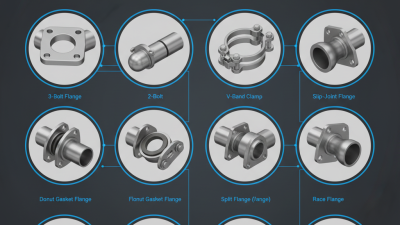
When selecting an exhaust pipe flange, understanding its types and functions is critical. Exhaust pipe flanges serve as connection points in exhaust systems, ensuring a secure and leak-free seal. There are various types available, including slip-on, weld-on, and threaded flanges. Each type has unique advantages tailored to specific applications.
Slip-on flanges, for instance, are easy to install, making them suitable for DIY enthusiasts. According to a report by the Society of Automotive Engineers (SAE), approximately 45% of exhaust system failures stem from poorly connected flanges. Using the right type minimizes these risks.
Weld-on flanges, however, provide superior strength and are commonly preferred in high-performance applications. They require precise welding techniques, as improper welding can lead to exhaust leaks, which can compromise engine efficiency.
Material choice also significantly impacts the performance of exhaust flanges. Common materials include stainless steel, carbon steel, and aluminum. A study published in the Journal of Automotive Engineering reveals that stainless steel flanges resist corrosion and enhance durability, crucial for longevity in harsh environments. Ultimately, choosing the right exhaust pipe flange is not just about compatibility; it’s about ensuring optimal exhaust flow and minimizing maintenance issues down the line.
Key Factors in Selecting Exhaust Pipe Flanges for Optimal Performance
When selecting an exhaust pipe flange, several key factors come into play. The material is crucial. Flanges made of stainless steel can withstand higher temperatures and resist corrosion. Aluminum flanges are lighter, but they may not be as durable under extreme conditions. Choosing the right material impacts longevity and performance.
Consider the size and fit of the flange. An improper fit can lead to exhaust leaks or reduced efficiency. Ensure you measure the pipe diameter accurately. Flanges should match the pipe's size perfectly. This might require some trial and error. Don't ignore the importance of proper sealing. Investing in quality gaskets can prevent exhaust leaks and enhance performance.
Tips: Always inspect the flange surface before installation. A rough surface can create gaps. Additionally, think about the application. Racing applications may need more robust designs than everyday driving. Review your specific needs carefully; the right choice matters. Overlooking these details could lead to performance issues in the long run.
Material Considerations for Durability and Heat Resistance in Flanges
When selecting an exhaust pipe flange, the material plays a crucial role in its performance and longevity. Common materials include stainless steel, aluminum, and mild steel. Stainless steel is known for its exceptional corrosion resistance and high-temperature performance. It can endure harsh environments without degrading. Aluminum, while lightweight and resistant to rust, may not withstand extreme heat as effectively. Mild steel is economical but requires proper treatment to prevent rust.
Durability goes hand-in-hand with heat resistance in choosing the right flange. High-performance applications demand materials that can handle elevated temperatures without warping or cracking. Sometimes, cost-effective options may not offer the durability needed for challenging conditions. This is where experience and knowledge of material properties become vital. Remember, a poorly chosen flange can lead to leaks or failures in your exhaust system.
It's worth noting that while materials like stainless steel are often recommended, they may not be the best for every application. Analyzing your specific needs, how you use the vehicle, and environmental conditions will ensure you make a wise choice. A well-informed decision can save you from costly repairs down the road.
How to Choose the Right Exhaust Pipe Flange for Your Needs?
| Material |
Durability Rating |
Heat Resistance (°C) |
Corrosion Resistance |
Cost ($ per unit) |
| Stainless Steel |
High |
800 |
Excellent |
25 |
| Aluminum |
Medium |
500 |
Good |
15 |
| Mild Steel |
Low |
400 |
Poor |
10 |
| Titanium |
Very High |
1200 |
Excellent |
75 |
Sizing Guidelines for Exhaust Pipe Flanges to Ensure Proper Fit
Choosing the right exhaust pipe flange can be challenging. Sizing is crucial for a proper fit. According to industry standards, there are various dimensions and specifications that one must consider. Flanges typically come in different sizes, ranging from 1.5 inches to 4 inches in diameter.
When measuring, it's important to understand the application. A miscalculation can lead to leaks and decreased performance. Reports suggest that about 20% of exhaust issues stem from improper flange sizes. Therefore, ensuring a tight seal is essential for vehicle efficiency. Verify the thickness and bolt pattern, as these factors can also affect performance.
Proper installation requires a good understanding of your system. It’s often overlooked, but ensuring alignment can prevent exhaust leaks. Industry insights indicate that 15% of installation failures relate to misaligned flanges. Reflecting on these common issues can help one make more informed choices. Always double-check your measurements and installation techniques to secure optimal functionality.
Impact of Exhaust Flange Design on Airflow and Engine Efficiency
Choosing the right exhaust pipe flange can significantly impact airflow and engine efficiency. A well-designed flange promotes smoother exhaust flow, leading to better performance. According to a 2021 report from the Society of Automotive Engineers, exhaust systems with optimal flange design improve engine efficiency by up to 10%. Flange shape, thickness, and material play critical roles in this process.
Airflow dynamics change with different flange designs. A flat flange can restrict exhaust gases, leading to back pressure. Conversely, tapered flanges reduce turbulence, allowing gases to exit more smoothly. A study from the Institute of Mechanical Engineers found that tapping into advanced CAD modeling tools can enhance the design process. However, many engineers undervalue the potential gains from investing in research and testing.
It's crucial to consider real-world testing alongside theoretical models. Many exhaust systems underperform due to inadequate flange choices. Engineers must reflect on existing designs and explore improvements. Mistakes can arise from overlooking compatibility with existing components. Each vehicle has unique needs that demand careful consideration in exhaust flange design.
 +86 17870576410