Why Choose a Flexible Muffler Pipe for Your Automotive Needs?
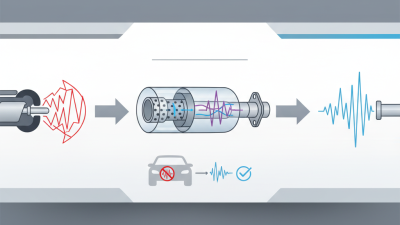
When it comes to automotive needs, choosing the right components is crucial. A Flexible Muffler Pipe stands out as an essential choice for many vehicle owners. This component allows for better installation flexibility, which is beneficial during maintenance or upgrades. Unlike traditional pipes, a Flexible Muffler Pipe can absorb vibrations. This feature reduces noise levels, improving your driving comfort.
Moreover, the adaptability of a Flexible Muffler Pipe is evident in various vehicle designs. It can easily fit into tight spaces, making it an excellent option for custom modifications. Experienced mechanics often recommend these pipes for their reliability and longevity. They enable efficient exhaust flow, ensuring optimal engine performance. However, not all Flexible Muffler Pipes are created equal. Some may wear out faster, leading to potential issues down the line.
Choosing the right Flexible Muffler Pipe requires careful consideration. Researching different brands and materials can lead to better choices. Look for trusted suppliers with good reviews. This can help you avoid common pitfalls associated with lower-quality products. Even minor details, such as proper installation and maintenance, play a vital role in maximizing the benefits of your Flexible Muffler Pipe.
Benefits of Using a Flexible Muffler Pipe in Automotive Systems
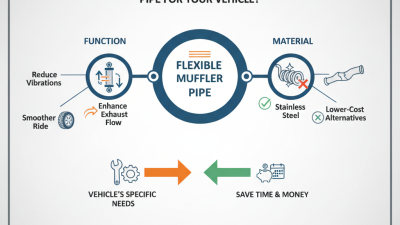
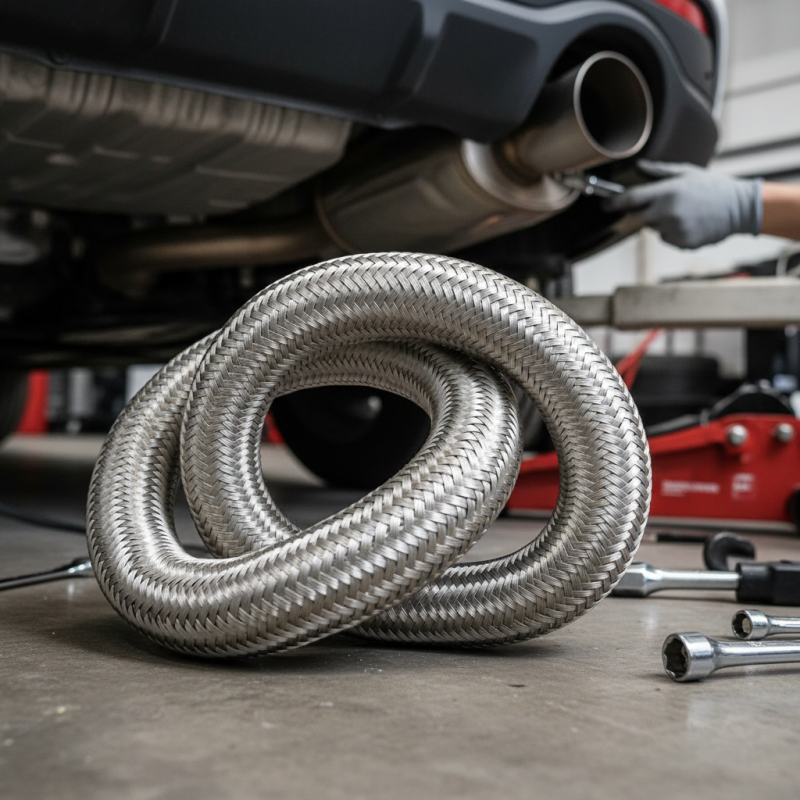
Flexible muffler pipes are increasingly popular in automotive systems. They offer unique advantages that enhance vehicle performance and comfort. The primary benefit lies in their ability to absorb vibrations and movement caused by the engine and road conditions. This reduces noise and provides a smoother driving experience.
Durability is another key feature. Flexible muffler pipes are designed to withstand extreme temperatures and pressure changes. They resist damage from vibrations, which is essential for long-term use. Many vehicle owners note the improved lifespan of their exhaust systems as a result.
On the flip side, improper installation can lead to issues. A poorly fitted pipe may cause exhaust leaks, affecting performance. Competent technicians should install these components to avoid potential mishaps. Overall, when installed correctly, flexible muffler pipes contribute significantly to both efficiency and driving pleasure.
Key Features of Flexible Muffler Pipes and Their Advantages
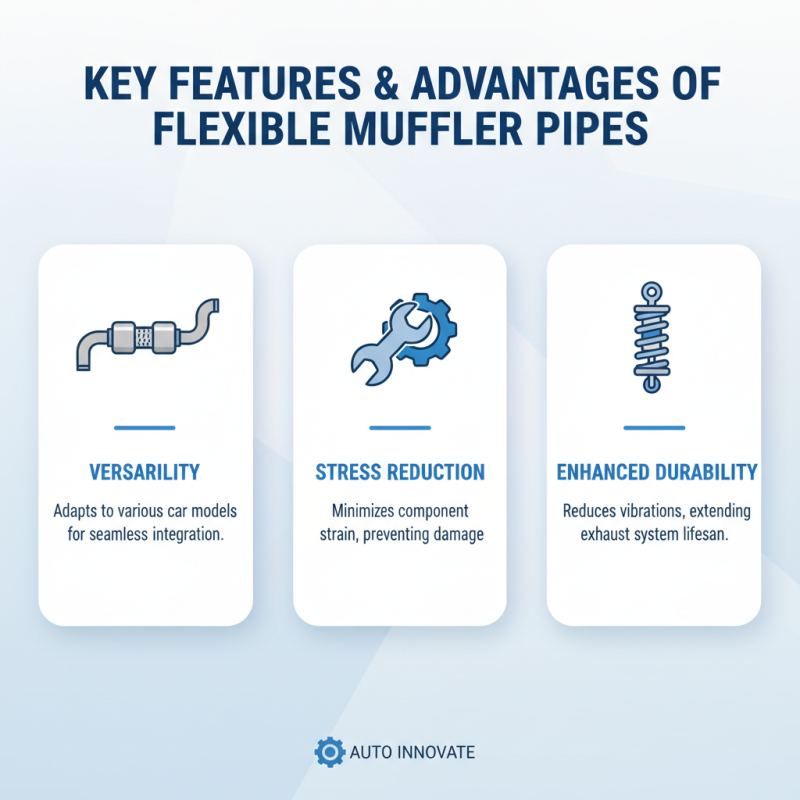
Flexible muffler pipes are essential for modern vehicles. They provide versatility in exhaust systems, enabling adjustments to fit various car models seamlessly. This adjustability can mitigate stress on components, reducing the risk of damage.
One key feature of flexible muffler pipes is their ability to absorb vibrations. This results in a smoother ride and less noise. Additionally, they can withstand high temperatures, which is crucial for automotive performance. The flexibility helps to accommodate engine movement without compromising durability.
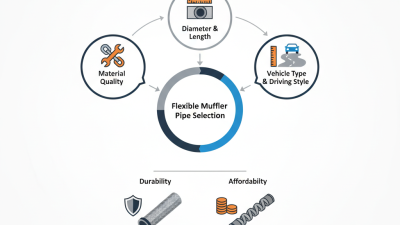
Tips: Regular inspections of muffler pipes can help identify wear before issues arise. Look for signs of cracks or rust. Consider the material quality when replacing parts, as it can impact lifespan. Also, think about installation; proper fitting is crucial for optimal performance.
How Flexible Muffler Pipes Enhance Vehicle Performance and Comfort
Flexible muffler pipes are essential for improving vehicle performance. They adapt to movement in the exhaust system without creating stress. This adaptability reduces the risk of damage. When installed correctly, they can provide better sound quality and reduce noise levels.
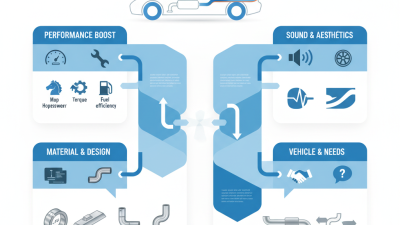
Comfort is a key factor in driving. A flexible muffler pipe can help minimize vibrations and harsh sounds. This leads to a smoother, more enjoyable ride. However, choosing the right material and design requires thought. Poor choices can lead to leaks or reduced efficiency over time.
While flexible muffler pipes offer clear benefits, they also have limitations. Not all vehicles may benefit equally from them. Proper installation is crucial to realize their full potential. If not installed properly, issues might arise, affecting the vehicle's overall performance. Assessing your specific automotive needs is vital.
Impact of Muffler Type on Vehicle Performance
Installation Tips for Flexible Muffler Pipes in Your Vehicle
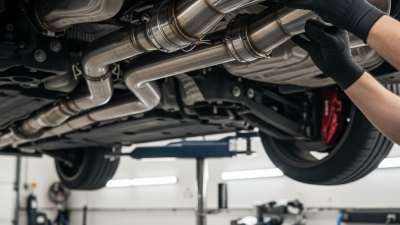
When installing a flexible muffler pipe, start by gathering essential tools. You’ll need a wrench, exhaust clamps, and a saw. Ensure your vehicle is parked on a level surface to prevent instability. Wear safety glasses and gloves for protection. Removing the old exhaust parts can be challenging. Rust or corrosion may make bolts difficult to unscrew. Sometimes, a penetrating oil can help.
Next, measure the new flexible pipe accurately. It should match your existing exhaust system. A poor fit can lead to exhaust leaks. Once cut to size, position the pipe in place. Ensure there’s enough clearance and that it aligns properly with existing components. Tighten the exhaust clamps securely, but avoid overtightening, as it can damage the pipe. After the initial install, inspect the connection for leaks after running your vehicle. It may take a few adjustments to get it just right.
Pay attention to the unique sounds your vehicle makes after the installation. A noticeable change could indicate a problem. Don’t rush to finalize everything. Delve into each step thoroughly to avoid future issues. Adjustments may be necessary after a test drive, so stay vigilant. Each vehicle is different, so remain adaptable in your approach.
Comparing Flexible Muffler Pipes with Traditional Rigid Options
When considering automotive exhaust systems, choosing between flexible muffler pipes and traditional rigid options is crucial. Flexible muffler pipes offer adaptability and can absorb vibrations. This unique feature can enhance overall ride comfort. Rigid pipes, while durable, lack this flexibility. They can lead to added stress on the vehicle's exhaust system, potentially resulting in premature wear and tear.
Installation is another notable difference. Flexible pipes are easier to fit into tight spaces, which can reduce installation time and labor costs. Rigid pipes, on the other hand, often require precise measurements and extensive adjustments. If not done correctly, they can complicate future repairs. It's worth reflecting on the long-term impact this might have on maintenance.
Performance is key. Flexible muffler pipes can improve exhaust flow, enhancing engine efficiency. However, some may argue that they do not last as long as rigid options. In certain conditions, they might require more frequent replacements. This trade-off is essential to consider when choosing the right option for your vehicle. Not every choice will be perfect, and understanding these differences can guide better decisions.
 +86 17870576410