What is Titanium Exhaust and Why Does It Matter?
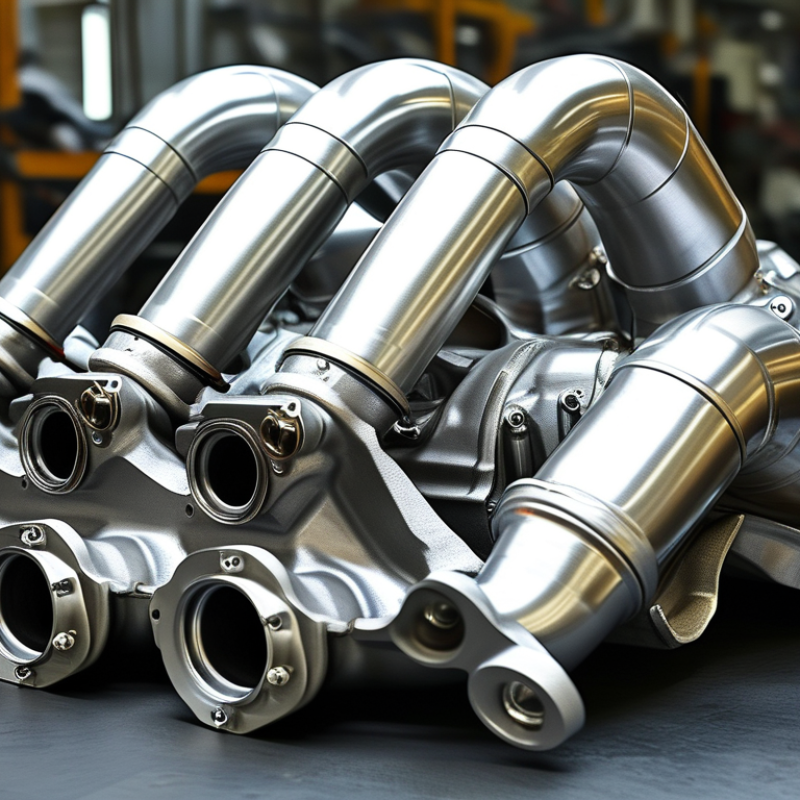
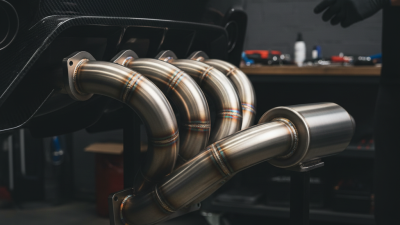
Titanium Exhaust systems are becoming increasingly popular in the automotive world. Their lightweight nature offers significant performance advantages. Titanium is known for its durability and resistance to corrosion, which enhances the overall longevity of exhaust systems.
Many car enthusiasts value Titanium Exhaust for more than just weight reduction. This material can improve engine efficiency. The unique sound produced by titanium also adds to the driving experience. However, the cost can be a barrier for some.
The growing demand for Titanium Exhaust reflects a shift in automotive culture. Consumers are more conscious of both performance and aesthetics. While the benefits are clear, careful consideration is necessary. Balancing performance gains with budget constraints is essential for any enthusiast.
What is Titanium Exhaust: Definition and Overview
Titanium exhaust systems are becoming increasingly popular among automotive enthusiasts. But what exactly is it? Titanium is a lightweight, high-strength metal. An exhaust made of titanium provides excellent durability and resistance to corrosion.
One significant advantage of titanium exhaust is its weight. It is significantly lighter than stainless steel or mild steel, which can enhance vehicle performance. Lighter exhaust systems can improve acceleration and handling. Moreover, titanium offers superior heat resistance. It can withstand high temperatures from engine exhaust gases without degrading over time.
When considering a titanium exhaust, keep a few things in mind. The cost can be much higher than traditional materials. It's essential to evaluate whether the benefits justify the investment. Some manufacturers might skimp on quality for a better price. Always research reviews and specifications, focusing on craftsmanship and material sourcing.
Also, think about the sound. Titanium can produce a distinctive exhaust note that some find appealing. However, not everyone likes the tone. Listen to examples before making a decision. Understanding both the benefits and potential downsides is crucial when choosing the right exhaust system for your vehicle.
Key Benefits of Titanium Exhaust Systems in Performance Vehicles
Titanium exhaust systems are becoming increasingly popular in performance vehicles. These systems offer a unique blend of lightweight construction and exceptional durability. Unlike traditional materials, titanium is about 45% lighter than stainless steel. This weight reduction can enhance vehicle performance significantly. Less weight often leads to better acceleration and improved handling.
Another key benefit of titanium exhaust is its resistance to corrosion. Titanium can withstand extreme temperatures and harsh environments. This means a longer lifespan for the exhaust system. It may cost more upfront, but the longevity adds value over time. Many users report that titanium exhaust systems provide a distinctive sound. This sound can vary from deep and throaty to high-pitched, depending on the vehicle's design.
However, it is crucial to consider the trade-offs. While titanium exhaust systems can be advantageous, they also present challenges. Installation can be more complex and may require specialized tools. Not all performance enthusiasts appreciate the unique sound profiles. Some might prefer a more traditional tone. Thus, exploring the full spectrum of options is essential for anyone optimizing their vehicle.
Comparing Titanium Exhaust to Other Materials: Steel and Inconel
The use of titanium for exhaust systems is gaining traction in the automotive industry, compared to traditional materials like steel and Inconel. Titanium is lightweight and offers exceptional strength-to-weight ratios. Reports indicate that titanium exhaust systems can reduce overall vehicle weight by up to 40% compared to steel. This reduction enhances fuel efficiency and improves performance in high-performance vehicles.
In contrast, steel exhaust systems are heavy, which can hinder acceleration and handling. They are more affordable but can corrode over time. Inconel, while resistant to high temperatures and oxidation, is also heavier than titanium. The cost of Inconel components can be prohibitive for many applications. Data suggests that titanium systems can withstand temperatures exceeding 1,000 degrees Fahrenheit without compromising structural integrity, making them preferable for both street and racing applications.
Despite these advantages, the high cost of titanium is a factor for many manufacturers. It can be three to four times more expensive than steel. This cost barrier may limit its adoption in mass production vehicles. Additionally, while titanium is durable, it can be challenging to weld and repair. These complexities call for a deeper examination of how titanium can be integrated effectively in exhaust systems.
Installation and Maintenance Considerations for Titanium Exhaust
Installing a titanium exhaust can enhance your vehicle's performance due to its lightweight and high-temperature resistance. However, proper installation is crucial. Ensure that all components fit securely. Loose parts can lead to vibrations, which may damage not only the exhaust but also surrounding parts. Regularly check the connections for any signs of wear or degradation.
Maintenance of titanium exhaust systems is essential to prolong their lifespan. Unlike steel, titanium doesn’t rust, but it can still suffer from surface discoloration. This discoloration is often cosmetic but indicates the need for cleaning. Use a gentle cleanser specifically designed for titanium to prevent scratches. A clean system not only looks better but can also perform better.
Attention to detail is important during maintenance. Inspect the flex joints regularly. They are often the first areas to show signs of wear. Tightening them promptly can save you from more extensive repair needs down the road. Remember, investing time in installation and maintenance pays off in performance and durability.
Environmental Impact and Sustainability of Titanium Exhaust Systems
Titanium exhaust systems have gained recognition for their lightweight and durable properties. These attributes make them particularly appealing in the automotive and aerospace industries. However, it’s essential to delve deeper into their environmental impact and sustainability.
The production of titanium involves significant energy consumption, raising questions about its overall sustainability. While titanium's longevity reduces the frequency of replacements, the extraction and processing can be environmentally taxing. This duality requires careful consideration. We should assess the entire lifecycle, from mining to end-of-life recycling, to measure true eco-friendliness.
Recycling titanium is an essential factor in mitigating its environmental footprint. When recycled, titanium retains its properties and can be reintroduced into various applications. However, current recycling practices remain inadequate. More effort is necessary to improve these systems and make titanium exhaust systems more sustainable over time. Understanding these complexities is crucial in advancing towards greener solutions.
What is Titanium Exhaust and Why Does It Matter? - Environmental Impact and Sustainability of Titanium Exhaust Systems
| Aspect |
Titanium Exhaust |
Steel Exhaust |
Environmental Impact |
| Weight |
Approximately 40% lighter |
Heavier |
Reduced fuel consumption, lower CO2 emissions |
| Durability |
Highly corrosion resistant, long lifespan |
Prone to rust and corrosion |
Less frequent replacements reduce waste |
| Performance |
Improved exhaust flow, better engine efficiency |
Standard performance |
Enhances overall vehicle efficiency |
| Recyclability |
100% recyclable |
Recyclable but less efficient |
Supports sustainable practices |
| Cost |
Higher initial investment |
Lower initial cost |
Long-term savings on replacement and fuel costs |
 +86 17870576410