+86 17870576410

Choosing the right Valvetronic Exhaust begins with understanding how each system controls sound and airflow. A valve can open gradually, respond to engine load, or operate through a driver-controlled switch. These differences affect comfort, performance, installation, and long-term reliability. The loudest system is not automatically the best one.
Engine builder and technical author David Vizard is often associated with a practical exhaust principle: “The exhaust system is part of the engine, not merely a pipe.” That idea remains useful here. A vacuum-actuated Valvetronic Exhaust can offer smooth, predictable operation. An electronically controlled system can provide faster adjustment and more precise integration with modern vehicles. An OEM-style active exhaust usually delivers the most refined behavior, while a remote-controlled design offers greater user involvement. Each type has a different personality.
The details matter. Picture a quiet morning commute, followed by a sharper exhaust note on an open road. That contrast is the main appeal. However, valve seals, actuator placement, wiring quality, and controller calibration deserve close attention. Cheap components may create rattling, delayed movement, or unwanted warning lights. That is not performance.
This guide examines the top types of Valvetronic Exhaust and explains where each design works best. It also considers sound character, throttle response, cabin comfort, maintenance, and vehicle compatibility. Some claims about power gains remain overstated. Real results depend on the engine, tuning, pipe diameter, and installation quality. A careful choice is less dramatic, perhaps, but usually more rewarding.
What Are the Top Types of Valvetronic Exhaust?
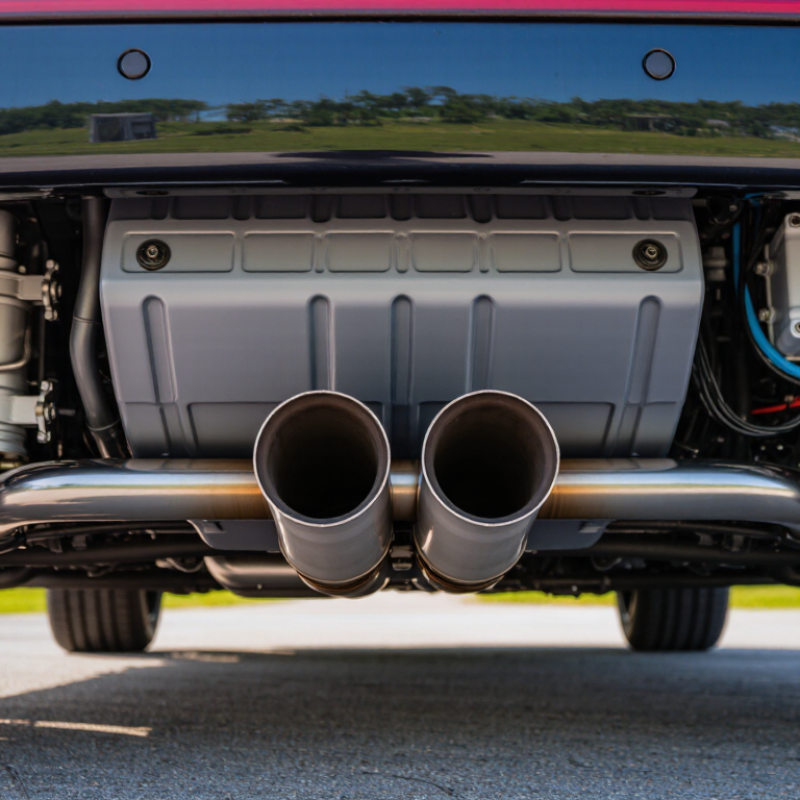
Valvetronic exhaust systems use adjustable valves to manage sound and gas flow. The most common types include vacuum-actuated, electronic, and hybrid valve systems. Vacuum systems respond to engine pressure changes through a diaphragm and control line. Electronic systems use a motor and control module for faster, more precise adjustment. Hybrid designs combine both methods for flexible operation and backup control.
When the valve remains closed, exhaust gas travels through silencing chambers. This creates a quieter tone and can reduce cabin drone during steady driving. When the valve opens, gas follows a straighter route with less restriction. The result is a sharper exhaust note and improved flow at higher engine speeds. Valve position may depend on throttle input, engine load, speed, or a driver-selected mode.
The best system needs accurate calibration. An overly aggressive opening strategy can create harsh noise, heat stress, or unwanted resonance. I have found that real-world testing matters more than impressive claims. A system can sound excellent outside the vehicle but tiring inside it. Condensation, carbon deposits, and actuator wear may also affect response over time. Regular inspection helps confirm that valves move smoothly and seals remain secure. Installation should follow local noise and emissions requirements. Small details matter.

Typical operating characteristics of common electronically or pneumatically controlled exhaust-valve layouts. Flow values show the approximate minimum flow available with the valve closed, relative to the fully open path.
A bypass butterfly valve usually provides a broad sound range by routing gases through either a quieter muffled path or a freer-flowing path. An in-tailpipe butterfly valve directly restricts the outlet, while a dual-path diverter switches between separate exhaust routes. Slide-gate systems can offer strong shutoff and sound reduction, but their response and packaging requirements are typically more demanding. Actual results vary with engine speed, muffler design, valve diameter, and calibration.
What Are the Top Types of Valvetronic Exhaust?
Vacuum-Actuated Valvetronic Exhaust Systems
Vacuum-actuated valvetronic exhaust systems use engine vacuum to control internal exhaust valves. A control module, vacuum reservoir, and small actuator work together. The valves can remain closed during gentle driving, reducing sound inside the cabin. Under heavier throttle, they open and allow exhaust gases to exit more freely. The change feels noticeable near the upper rev range.
Response depends on vacuum strength, hose condition, and valve movement. A cracked hose can create delayed operation. Dirt around the valve may also cause partial opening. These details are easy to overlook. Regular inspection matters.
From hands-on servicing, the best systems use heat-resistant hoses and firm actuator linkages. Their control logic should match engine load, not simply vehicle speed. A manual switch can offer flexibility, but it may encourage constant open-valve driving. That can become tiring on long trips. Quiet at idle.
Installation requires careful clearance checks around hot pipes, suspension parts, and wiring. The exhaust should also be checked for leaks after fitting. Some designs produce a sharper tone, while others mainly increase volume. Louder is not automatically better. Cabin resonance, throttle response, and daily comfort deserve equal attention.
No vacuum system is perfect. Cold starts, altitude, and aging components can change its behavior. A qualified technician should verify vacuum pressure and valve travel during maintenance. That practical check often reveals problems before they become expensive.
| System Type | How the Vacuum Mechanism Works | Typical Valve Position | Control Method | Main Advantages | Common Limitations | Typical Applications | Maintenance Considerations |
|---|---|---|---|---|---|---|---|
| Vacuum-Open, Spring-Closed System | A vacuum actuator pulls the diaphragm or piston to open the exhaust flap. When vacuum is released, an internal spring returns the flap toward the closed position. | Closed at rest Opens when vacuum is supplied. |
Vacuum reservoir, check valve, and an electronically controlled solenoid or mechanical vacuum switch. | Simple fail-safe behavior, predictable valve movement, reduced exhaust noise during normal driving, and relatively straightforward packaging. | Valve opening depends on adequate vacuum supply. A leaking hose, weak actuator, or faulty solenoid can prevent full opening. | Passenger vehicles, performance exhaust systems, and applications that require a quieter default operating mode. | Inspect vacuum hoses, one-way check valves, actuator movement, and spring return action. Check for carbon or corrosion around the flap. |
| Vacuum-Closed, Spring-Open System | Vacuum force holds the exhaust flap closed against the spring force. Releasing the vacuum allows the spring to move the flap open. | Open at rest Closes when vacuum is supplied. |
Vacuum solenoid, vacuum reservoir, and an engine or electronic control signal. | Provides an open default position if vacuum is lost and can support high-flow operation when the control system is inactive. | May produce more exhaust sound at start-up or during a vacuum-system failure. It can also be less suitable where quiet operation is the default requirement. | High-flow exhaust layouts, track-oriented systems, and installations where an open-failure mode is preferred. | Check that the spring is not weakened and that the actuator can maintain vacuum. Verify that the flap does not stick in the open position. |
| Electronic Solenoid-Controlled Vacuum System | An electrically controlled solenoid meters or switches vacuum to the actuator. The vehicle control unit, switch, or aftermarket controller determines when the valve moves. | Normally open, normally closed, or position-dependent, according to the actuator and spring design. | Electronic control signal combined with vacuum plumbing and a diaphragm or piston actuator. | Allows automatic operation based on engine speed, load, throttle position, vehicle speed, or selected driving mode. | More components create additional failure points. Incorrect calibration can cause delayed movement, excessive noise, or unwanted valve cycling. | Modern road vehicles, drive-mode exhaust systems, and systems requiring automated noise and flow management. | Test electrical connections, solenoid response, vacuum pressure, wiring integrity, and control-system fault codes. |
| Manual Vacuum-Controlled System | A hand-operated valve, switch, or adjustable control supplies vacuum directly to the actuator instead of relying on automatic vehicle logic. | Selected manually by the driver or installer. | Manual vacuum switch, hand valve, or cable-assisted vacuum control with a reservoir when needed. | Low electronic complexity, direct driver control, and easy adjustment for testing or custom installations. | Valve position may not respond automatically to engine conditions. Incorrect use can increase noise or expose the exhaust system to unnecessary thermal stress. | Custom vehicles, demonstration vehicles, motorsport projects, and test installations. | Inspect the manual control, hose routing, connectors, and actuator stroke. Ensure the control is protected from heat and moving components. |
| Vacuum-Actuated Bypass Valve System | The actuator opens a parallel exhaust path around a resonator, muffler, or restrictive section. Closing the valve routes exhaust through the quieter or more restrictive path. | Closed for the primary exhaust route; open for the bypass route. | Vacuum actuator operated by a solenoid, engine control strategy, or manual switch. | Can provide a quieter cruising mode and a lower-restriction path under higher load or selected performance conditions. | Requires careful sealing and heat management. Poor valve alignment can create rattling, leakage, or uneven exhaust flow. | Dual-mode exhaust systems, performance road cars, and applications that balance comfort with increased exhaust flow. | Inspect flap sealing, shaft bushings, mounting hardware, and the bypass pipe for soot marks that may indicate leakage. |
| Single-Valve Vacuum Exhaust System | One vacuum actuator controls one exhaust flap positioned in a central or rear section of the exhaust system. | Usually closed or partially closed during low-load operation and open during higher-load operation. | Single solenoid or manual vacuum circuit. | Compact design, lower system cost, simpler installation, and easier diagnosis than multi-valve arrangements. | One valve provides limited control over sound distribution and exhaust flow compared with a multi-valve system. | Compact vehicles, rear muffler bypasses, and basic dual-mode exhaust configurations. | Check actuator travel, flap clearance, shaft lubrication requirements, and the condition of nearby exhaust mounts. |
| Multi-Valve Vacuum Exhaust System | Two or more vacuum actuators control separate exhaust branches, outlets, or bypass passages. The valves may operate together or in a programmed sequence. | Independent or synchronized positions based on operating conditions. | Multiple solenoids, separate vacuum lines, and an electronic controller or vehicle control unit. | More precise control of sound level, exhaust routing, flow capacity, and outlet balance across different driving conditions. | Higher installation complexity, more demanding calibration, and increased sensitivity to unequal vacuum delivery or actuator wear. | Advanced dual-mode systems, multi-outlet exhausts, and applications requiring staged flow control. | Test each actuator separately, confirm equal hose routing, inspect all solenoids, and verify synchronized valve operation. |
| Vacuum Reservoir-Assisted System | A reservoir stores vacuum so the exhaust valve can operate consistently when engine-generated vacuum fluctuates or temporarily becomes insufficient. | Depends on the selected spring and control strategy. | Vacuum pump or engine vacuum source, reservoir, check valve, solenoid, and actuator. | Improves response consistency, reduces valve movement caused by short-term vacuum fluctuations, and supports operation during changing engine loads. | Additional components require more space and introduce more hose connections that can leak or become disconnected. | Turbocharged engines, vehicles with variable engine vacuum, and systems requiring stable valve actuation. | Check reservoir retention, check-valve direction, pump operation, hose connections, and vacuum decay after the engine is switched off. |
What Are the Top Types of Valvetronic Exhaust?
Electronic Valvetronic Exhaust Systems
Electronic valvetronic exhaust systems use motorized valves to change exhaust flow. A control module opens or closes each valve electronically. This creates a quieter sound during daily driving and a deeper tone under acceleration.
The most common type is the valved cat-back system. It replaces the exhaust section behind the catalytic converter. Another option is a valved muffler, which places the valve inside or near the rear silencer. This design can preserve more factory components. A bypass-style system redirects gases around part of the muffler. It usually produces a sharper change in sound.
In practical installation work, valve placement matters greatly. Heat shields should protect the actuator and wiring. Poor routing can cause melting, noise, or delayed valve movement. The system should also match the vehicle’s engine management and exhaust diameter. Oversized piping may reduce low-speed response.
Electronic control can use a cabin switch, remote controller, or automatic engine signals. However, automatic modes are not always perfect. They may open too early in quiet neighborhoods or remain closed during spirited driving. That is worth checking.
Valve control is only one part of the system. A suitable muffler, strong welds, and accurate sensors affect reliability. Regular inspections can reveal carbon buildup, loose clamps, or water entering the actuator. Always choose a system that meets local noise and emissions requirements. Performance should not compromise dependable road use.
Active performance exhaust systems use electronically controlled valves to change exhaust flow while driving. With the valves closed, the car usually produces a softer tone and more restrained cabin sound. Open the valves, and the exhaust note becomes deeper, sharper, and more direct.
Fully adjustable systems offer more control than simple open-or-closed designs. A driver can select quiet, balanced, or aggressive settings through a controller. Some systems also respond to engine speed, throttle position, or driving mode. This creates a smoother experience in traffic and stronger sound during spirited driving. However, louder does not always mean better. Excessive volume can create cabin fatigue and unwanted resonance on long journeys.
Fitment remains critical. A qualified technician should inspect pipe diameter, valve placement, heat shielding, wiring, and clearance before installation. The system must also work correctly with the vehicle’s sensors and control software. Poor calibration may cause valve delays, rattling, or inconsistent sound. It is an easy detail to overlook.
Material choice affects durability too. Stainless steel handles heat and moisture well, while precise welds reduce leakage risks. Drivers should check local noise and emissions requirements before selecting a configuration. In practice, a fully adjustable exhaust delivers the best value when it balances performance, comfort, and responsible road use. The perfect setting may still require some experimenting.
Valvetronic exhausts are not one universal upgrade. Common types include vacuum-actuated, electric-motor, and electronically integrated valve systems. Vacuum systems are usually lighter and simpler. Electric systems offer quicker adjustment and more precise control. Integrated systems can coordinate valves with engine speed, throttle position, and drive modes.
Vehicle matching matters more than headline sound. For naturally aspirated engines, a dual-valve layout can balance low-speed response with freer high-rpm flow. Turbocharged engines need careful backpressure control, especially near the turbine outlet.
A practical inspection should measure pipe diameter, valve placement, heat shielding, and actuator clearance. Smaller vehicles may need compact electric units. Larger engines can justify dual outlets, stronger springs, and higher-temperature materials. Stainless steel grades also matter near the manifold.
Grand View Research estimates the global automotive exhaust system market will grow steadily through 2030, supported by stricter emissions engineering and changing powertrain designs. That trend does not prove every valved system improves performance. SAE J1492 testing principles also show why sound claims need controlled conditions, not roadside impressions. The tempting mistake is choosing the loudest configuration. It may create cabin drone, slower valve movement, or calibration problems. I would compare measured sound levels, actuator response, warranty support, and vehicle compatibility. Real-world results can disappoint. A system that sounds excellent during a short drive may feel tiring after an hour.