What Is a Stainless Steel Exhaust Pipe?
A Stainless Steel Exhaust Pipe carries hot exhaust gases from the engine toward the vehicle’s muffler and tailpipe. Its job sounds simple. In practice, the pipe must handle heat, vibration, moisture, and road debris without restricting exhaust flow. Stainless steel is valued for its resistance to corrosion, but the name alone does not tell you how a pipe will perform.
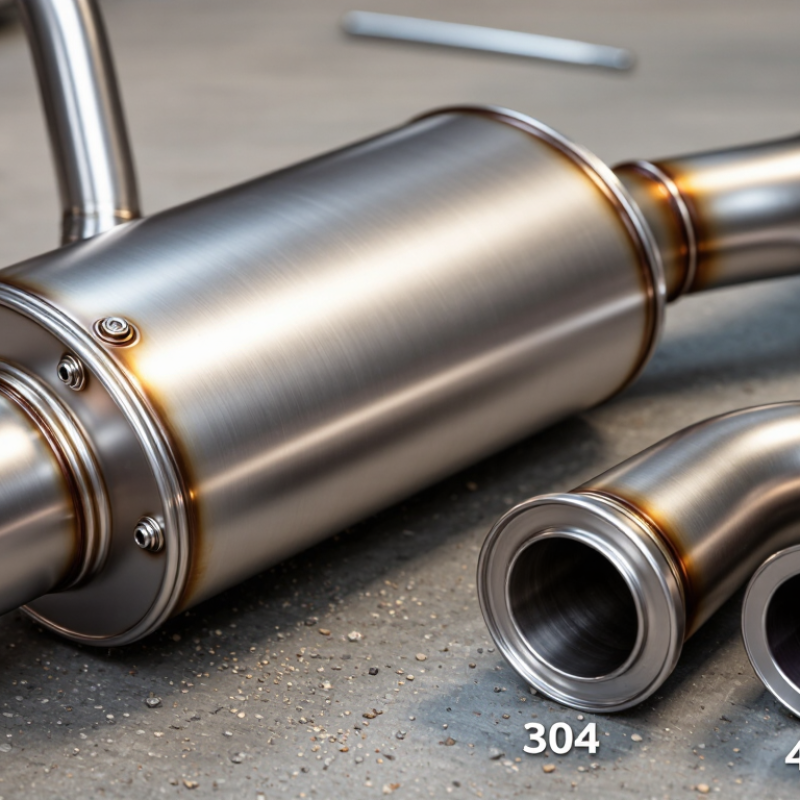
Different stainless grades behave differently. Grade 304 generally offers stronger corrosion resistance, while grade 409 is commonly used in exhaust systems and may develop surface rust over time. That visible change does not always mean the pipe has failed. Wall thickness, weld quality, bends, and exposure to road salt also matter. A polished finish can look impressive, yet appearance is not a reliable measure of durability.
Fit matters too. A pipe should match the vehicle’s layout, connection points, and intended use. Poor alignment can create rattles or place stress on nearby hangers. Diameter changes may affect sound and exhaust flow, but bigger is not automatically better. Check the vehicle’s specifications and inspect joints for leaks after installation. Small details count.
This guide explains what a Stainless Steel Exhaust Pipe is, how common grades differ, and what to consider when choosing one. It also separates useful features from marketing claims. There is no single best option for every car. Driving conditions, budget, and maintenance habits all influence the right choice. Some judgments remain practical, not absolute. A careful comparison is more useful than choosing by shine alone.
Definition and Core Components of a Stainless Steel Exhaust Pipe
What Is a Stainless Steel Exhaust Pipe?
Definition and Core Components of a Stainless Steel Exhaust Pipe
A stainless steel exhaust pipe is a formed tube routing hot gases from an engine to the vehicle’s rear outlet. It is made from corrosion-resistant steel, but alloy, diameter, and wall thickness vary by application. Stainless does not mean rust-proof. Road salt, trapped moisture, heat cycles, and poor welds can still shorten its service life. In a workshop, technicians check the pipe’s bends and clearance from nearby bodywork and suspension. Small fitment errors can rattle.
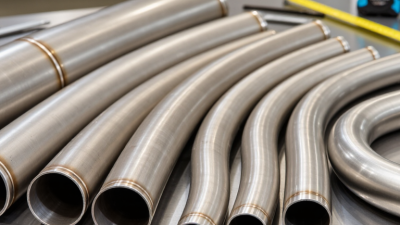
The core assembly includes straight tubing and bent sections, joined by welds, flanges, or clamps. Flanges make bolted joints, often using gaskets to help prevent leaks; clamps allow connections to be serviced. Flexible couplings can absorb engine movement, while rubber-isolated hangers support the pipe and reduce vibration. Some layouts connect it to a catalytic converter, resonator, or muffler, which are separate components. Details matter. A neat-looking weld still needs inspection for pinholes, alignment, and clearance. A first fit is not always the final fit.
What Is a Stainless Steel Exhaust Pipe?
A stainless steel exhaust pipe is a corrosion-resistant tube that carries hot exhaust gases from the engine toward the rear of a vehicle. An exhaust system commonly includes a manifold or header, a downpipe, a catalytic converter, intermediate pipework, a resonator, a muffler, and a tailpipe.
Illustrative exhaust gas temperature trend: Temperatures generally decrease as gases travel downstream. Actual readings vary substantially with engine load, vehicle design, sensor location, and operating conditions; these values are examples, not component ratings.
Stainless Steel Grades and Their Key Properties
Stainless steel exhaust pipe is made from an iron-based alloy that resists heat and corrosion better than ordinary carbon steel. The grade matters because exhaust systems face hot gases, rainwater, road salt, and repeated cooling. No grade is perfect.
Grade 409 is a ferritic stainless steel often used for exhaust components. It handles exhaust heat well and can develop surface discoloration or light rust, especially in damp, salty conditions. Grade 304 contains more chromium and nickel, giving it stronger general corrosion resistance and a brighter finish. It is a common choice for longer-lasting systems, though it usually costs more. Grade 316 includes molybdenum, which improves resistance to chlorides. That can help near coastal roads, but it may be more than a typical vehicle needs. Grade 321 is stabilized for high-temperature service, though its benefits depend on the pipe’s design and operating conditions.
The alloy is only part of the story. Weld quality, wall thickness, trapped moisture, and frequent short trips can all affect service life. A carefully made 409 pipe may outlast a poorly welded 304 one. That detail is easy to overlook. When comparing grades, consider the vehicle’s climate, expected use, and budget—not just the number stamped on the pipe.
How the Pipe Carries Exhaust Gases
What Is a Stainless Steel Exhaust Pipe?
How the Pipe Carries Exhaust Gases
A stainless steel exhaust pipe forms a sealed route for hot gases leaving the engine. The gases travel from the exhaust manifold toward the catalytic converter, muffler, and tailpipe, depending on the vehicle’s layout. The pipe does not reduce emissions by itself; it guides flow between components that perform different jobs.
Heat builds quickly.
During acceleration, exhaust arrives in pulses, not as a perfectly steady stream. Smooth bends and correctly sized connections help limit unnecessary flow restriction.
As gases move rearward, the pipe must handle heat, vibration, and moisture from combustion. Stainless steel resists rust better than ordinary steel, though it can still discolor or corrode under harsh conditions. Clamps, welds, and flexible sections matter because small leaks can change exhaust noise and may allow fumes to escape beneath the vehicle.
Small details matter.
A technician can inspect joints for soot marks, listen for ticking sounds, and check whether hangers keep the pipe from striking the chassis. A pipe can look sound but have a weak seam hidden above a heat shield, so visual checks are not perfect. Its job is simple to describe, but reliable gas flow depends on sound routing, secure joints, and room for expansion.
Common Designs and Vehicle Applications
Stainless steel exhaust pipes come in straight sections, mandrel-bent curves, Y-pipes, and complete routed assemblies. The layout depends on engine position, ground clearance, and the space around suspension parts. On passenger cars and crossovers, cat-back sections run from behind the catalytic converter to the tailpipe. Pickups and vans may use longer pipes, dual outlets, or tighter bends around the chassis. Fit matters.
Material and position go together. Front pipes face stronger heat and vibration; rear sections meet condensation, road spray, and winter salt. Ferritic 409 stainless is common in production exhaust parts, while 304 is often chosen where greater corrosion resistance is needed. The choice is not automatic: vehicle use, wall thickness, weld quality, and budget all affect service life. A part that fits on paper may still foul a heat shield.
Applications range from daily-driver replacements to exhaust routing for buses and work vehicles. S&P Global Mobility reported that the average age of U.S. light vehicles reached 12.6 years in 2024, a sign that aging vehicles keep repair demand relevant. The U.S. Environmental Protection Agency’s 2024 greenhouse-gas inventory attributed 28% of U.S. emissions in 2022 to transportation. That figure covers the whole sector, not exhaust pipes alone. Correct routing still matters: poorly positioned tubing can contact nearby parts or interfere with the vehicle’s original emissions equipment. I would check clearances after installation, not just before it.
 +86 17870576410