+86 17870576410

Global buyers are rethinking the Exhaust Pipe as vehicle technology changes. It is no longer a simple steel tube. It controls gas flow, heat, noise, corrosion, and installation risk. Material choice matters. So does vehicle age.
The International Energy Agency’s Global EV Outlook 2025 reported more than 17 million electric cars sold worldwide in 2024. That shift will gradually reduce demand for conventional exhaust components. However, millions of combustion and hybrid vehicles still require replacement parts. The European Automobile Manufacturers’ Association reported that European cars averaged about 12.5 years old in 2023. Older vehicles create steady demand for affordable, corrosion-resistant pipe assemblies.
David Vizard, a respected engine-development writer, describes the engineering balance clearly: “Exhaust design is a compromise between flow, sound, and durability.” Buyers should remember that compromise. A larger diameter does not automatically improve performance. It may reduce gas velocity, create fitment problems, or produce unwanted noise. Small details matter.
Stainless steel suits humid coastal markets. Aluminized steel can reduce purchase costs. Titanium offers low weight, but its price limits wider use. Flexible sections absorb engine movement near the front pipe. Mandrel-bent designs preserve internal diameter through curves. The best choice depends on emissions requirements, vehicle platform, climate, and service conditions.
Some market forecasts appear overly confident. Their figures vary by region and reporting method. That deserves caution. This guide compares the leading Exhaust Pipe types, buyer priorities, and supplier questions for 2026. It also examines imperfect decisions, because real purchasing rarely follows a clean specification sheet.
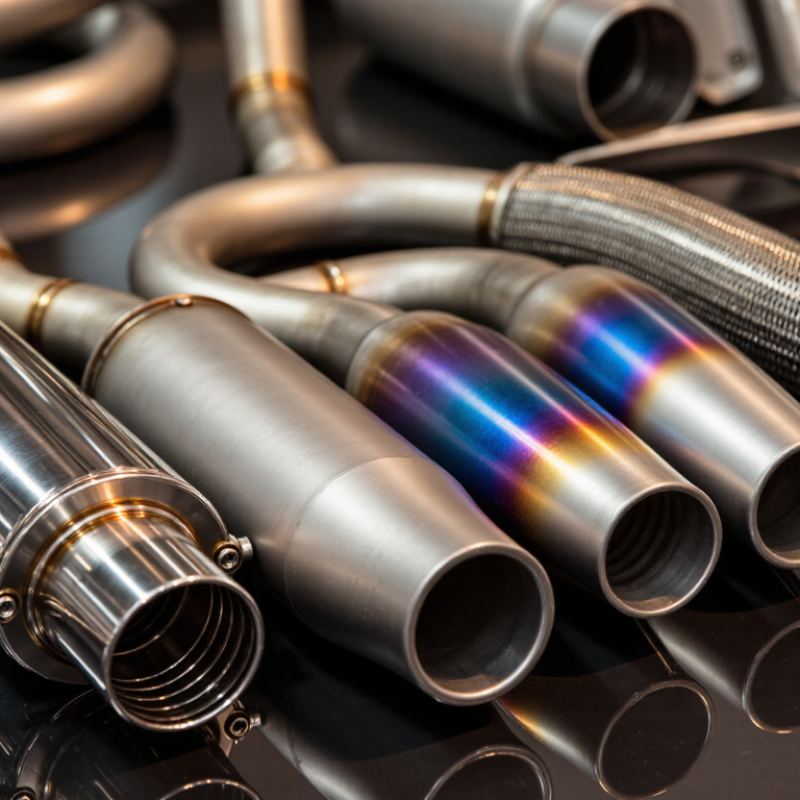
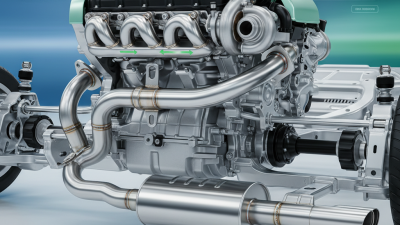
An exhaust pipe carries hot combustion gases away from the engine and toward the vehicle’s tail outlet. It supports safer airflow through the exhaust system. Depending on the design, it may connect the exhaust manifold, catalytic converter, muffler, or tailpipe.
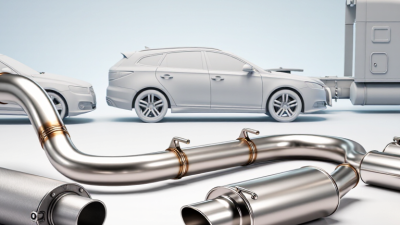
Single-wall pipes suit many standard applications, while double-wall pipes retain heat more effectively. Flexible sections absorb engine movement and reduce stress on welded joints. Mandrel-bent pipes help maintain a smoother internal passage through curves.
Material choice matters. Stainless steel resists moisture and road salt better than ordinary steel. Aluminized steel can offer a practical balance between cost and corrosion resistance.
Buyers should check outside diameter, wall thickness, bend radius, flange position, and hanger locations. A pipe that looks correct may still fail during installation. Heat shielding also deserves attention near plastic parts, wiring, and the vehicle floor. Small errors can create rattling, leaks, or unwanted heat transfer.
Compare drawings with physical samples before ordering. Ask for pressure, dimensional, weld, and corrosion inspection records. Confirm whether the pipe is intended for passenger vehicles, commercial vehicles, or industrial equipment. Local noise and emissions requirements can differ between markets. Do not judge quality by polished appearance alone. Internal alignment matters. A common purchasing mistake is choosing the largest diameter automatically; excessive size may reduce gas velocity and hurt performance. Rechecking fitment is worth the extra time.
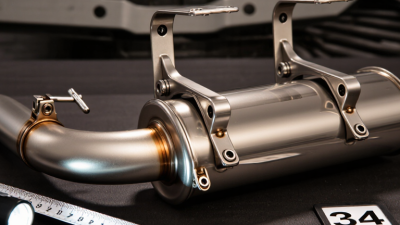
Global buyers are selecting exhaust pipes by vehicle use, temperature, and corrosion exposure. Single-wall pipes remain common in passenger cars and light commercial vehicles. Double-wall pipes provide better heat control near engine compartments. Flexible exhaust pipes absorb vibration between the engine and fixed underbody sections. They are small parts, but failures can create noise, leaks, and costly downtime.
Mandrel-bent pipes support smoother gas flow and consistent internal diameter. This matters in performance vehicles and commercial engines with higher exhaust loads. Stainless steel, especially corrosion-resistant grades, suits coastal roads and winter salt exposure. Aluminized steel can reduce cost for less severe environments. Buyers should request wall-thickness records, weld inspection data, and dimensional reports. A polished surface alone proves very little.
The IEA’s Global EV Outlook 2025 reported more than 17 million electric car sales in 2024, exceeding one-fifth of global car sales. However, hybrid, gasoline, and diesel vehicles still require exhaust systems in 2026. Their pipes must accommodate catalytic converters, particulate filters, and other emission-control components. Poor alignment remains an overlooked issue. I may be too cautious, but suppliers should test thermal cycling, vibration, and salt exposure before approving large orders. Forecasts can change quickly.
Detailed test evidence should not.
Exhaust pipe performance depends on material, design, and vehicle use. Stainless steel resists road salt, moisture, and surface corrosion. Aluminized steel costs less and performs well in moderate climates. Titanium is lighter, but its price and installation demands limit practical use. Weight matters.
Design changes airflow and durability. Mandrel-bent pipes maintain a smoother internal path than sharply crushed bends. Larger diameters can reduce restriction, yet oversized pipes may weaken low-speed response.
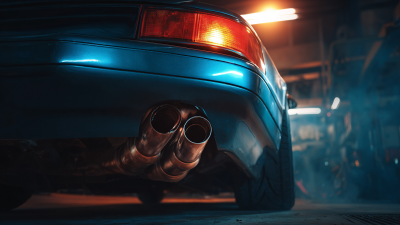
Single systems suit simple layouts, while dual systems can support higher engine output. Flex sections reduce vibration near the engine, and correctly placed resonators help control harsh sound. Fitment comes first.
Tips: Match pipe diameter to engine output and driving conditions. Check wall thickness, weld quality, hanger position, and corrosion protection. Buyers in cold regions should inspect salt resistance carefully. Always verify local emissions and noise requirements before ordering. A polished surface looks attractive, but it does not prove better flow. Real-world testing remains important, because laboratory results may not reflect traffic, towing, or repeated heat cycles. Some design advice is still debated, so suppliers should request measurements and vehicle data instead of relying on general claims.
Choosing an exhaust pipe starts with the vehicle, not the catalogue photo. Petrol and diesel cars need pipes that manage heat, vibration, condensation, and emissions equipment. Turbocharged engines often require stronger joints and carefully matched diameters. A pipe that is too large can reduce gas velocity and weaken low-speed response. That detail is easy to miss.
The vehicle’s age also matters. Older models may use aluminized steel for lower cost and practical repair. Stainless steel suits humid roads, coastal fleets, and long service intervals. Commercial vans need thicker walls because loading increases vibration and ground contact risk.
Hybrid vehicles demand careful routing because their engines start and stop frequently. Battery-electric vehicles have no tailpipe exhaust system. The IEA’s Global EV Outlook 2024 reported nearly 14 million electric car sales in 2023, representing about 18% of global new-car sales. This shift changes future pipe demand, but combustion vehicles will remain important across many markets.
Tips: Match the pipe diameter to the engine output and original specifications. Check inlet and outlet angles before ordering. Measure hanger locations under the vehicle, not from a flat drawing. Confirm material thickness, weld quality, and corrosion testing. Ask for fitment records by vehicle year and engine code. In my experience, buyers often focus on price first. That can be a costly mistake. A cheaper pipe may fit poorly or require extra welding. The best choice is not always the thickest one. It is the pipe that fits correctly, survives the operating environment, and supports legal emissions equipment.
2026 Top Exhaust Pipe Types: What Global Buyers Need to Know?
Global buyers are comparing aluminized steel, stainless steel, and coated exhaust pipes more carefully in 2026. Material choice affects corrosion resistance, weight, service life, and total cost. Stainless steel suits humid coastal markets, while aluminized steel can offer practical value in controlled environments. Wall thickness also matters. A thin pipe may reduce weight, but it can suffer from vibration and road impact. Purchasing teams should request material certificates, dimensional drawings, and production inspection records. These documents support reliable supplier evaluation.
Fitment remains a major purchasing factor. Buyers should confirm pipe diameter, bend angle, inlet and outlet position, hanger location, and sensor openings. Even a small error can create installation delays. Measure twice. Compare the original component with the technical drawing. Vehicle year, engine version, wheelbase, and market specification can change compatibility. A universal pipe may appear flexible, yet it often requires additional cutting or alignment. In my experience, fitment tables are useful, but physical test fitting reveals details that drawings miss.
Tips: Ask for sample approval before large orders. Check surface finish under bright light. Inspect welds for gaps, sharp edges, and uneven penetration. Confirm packaging protects curved sections during sea transport. Also review regional noise and emissions requirements before purchase. Standards differ across markets, and assumptions create expensive rework. Some buyers focus heavily on unit price. That is understandable, but incomplete. Freight, rejected parts, installation labor, and warranty handling can change the real purchasing cost. Reliability deserves a line in the spreadsheet.
The chart compares commonly specified exhaust tubing outside diameters used in global replacement and fabrication markets. Inch-based nominal sizes are converted to millimetres using 1 inch = 25.4 mm. Buyers should verify vehicle fitment, pipe-end design, wall thickness, emissions requirements, and whether the application uses an inch-based or metric specification before ordering.