Why Choose a Catted Downpipe?
Why choose a Catted Downpipe? The answer depends on what the part changes—and what it preserves. A catted downpipe includes a catalytic converter in the exhaust path, unlike a catless design. That converter can help reduce pollutants, while the pipe’s diameter and layout may affect exhaust flow. The actual result varies by vehicle, catalyst design, calibration, and installation. No single upgrade guarantees more power or cleaner emissions.
The U.S. Environmental Protection Agency’s Tier 3 vehicle standards set fleet-average limits for combined nitrogen oxides and non-methane organic gases that are 80% lower than Tier 2 levels. That is useful context, not proof that any aftermarket downpipe meets those standards. A product’s catalyst specification, emissions testing, and vehicle compatibility matter. Fitment matters, too. Check the manufacturer’s documented test data and confirm the part is appropriate for your vehicle and location.
A downpipe sits beneath the car, where heat, road spray, and tight clearances make build quality tangible. Yet online claims can sound more certain than the evidence. Small detail. I could not verify a reliable, verbatim quotation from a named Catted Downpipe specialist, so I will not invent one. That restraint matters. A careful comparison should weigh catalyst construction, documented performance, durability, and emissions requirements—not just a louder note or a headline horsepower figure.
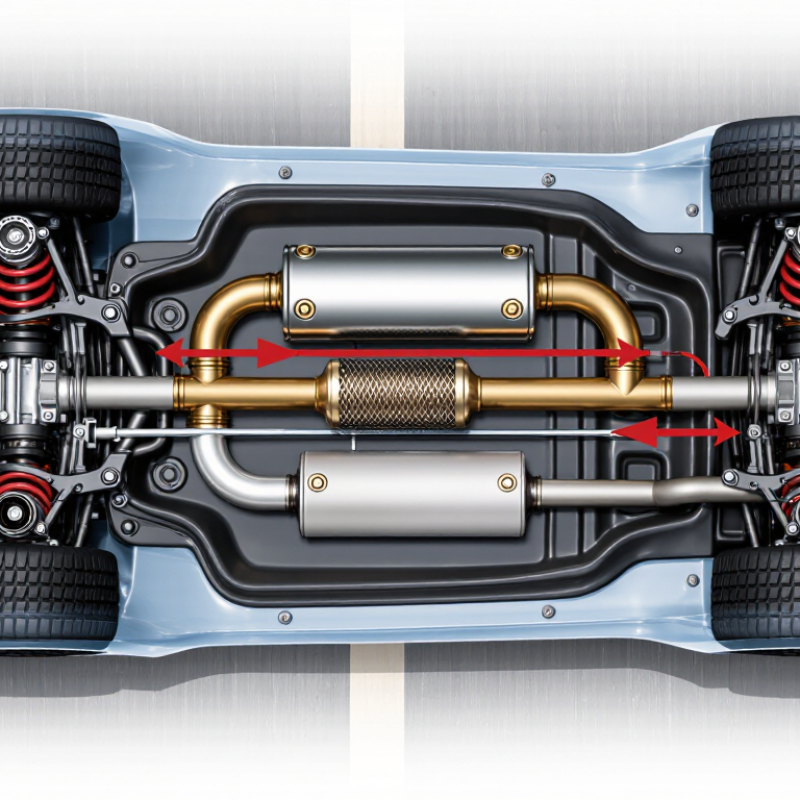
What a Catted Downpipe Connects: Turbocharger, Catalyst, and Exhaust System
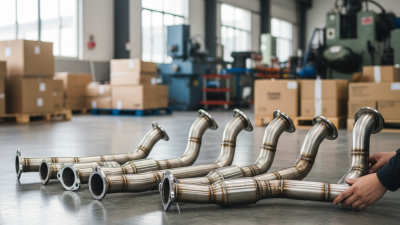
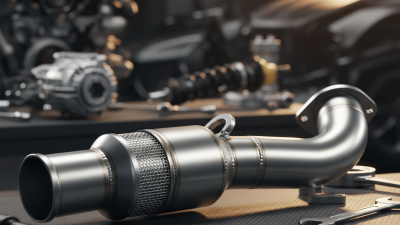
A catted downpipe forms the link between a turbocharger and the rest of the exhaust system. Exhaust gas leaves the turbine housing, enters the downpipe, and passes through its catalytic converter before continuing downstream. The catalyst’s coated honeycomb channels provide surfaces for chemical reactions that reduce certain pollutants. The shape, diameter, joints, and sensor locations matter too. A small mismatch can cause leaks, awkward fitment, or warning lights. The path sounds simple. Real installations are less tidy.
The catalyst is not just a connector; it is part of the vehicle’s emissions-control system. The International Council on Clean Transportation’s technical summary of Euro 6 standards lists passenger-car NOx limits of 60 mg/km for petrol models and 80 mg/km for diesel models. Those are vehicle-level limits, not a promise that any particular downpipe will achieve them. Catalyst design, temperature, engine calibration, and condition all affect results. I would check compatibility and local emissions requirements before choosing a part. It is easy to focus on exhaust flow and overlook the catalyst’s job. That deserves a second look.
Why Choose a Catted Downpipe? — What a Catted Downpipe Connects: Turbocharger, Catalyst, and Exhaust System
| Part or Connection |
Typical Position |
Function |
Why It Matters |
| Turbocharger turbine outlet |
At the turbocharger’s exhaust-gas outlet |
Feeds hot exhaust gas from the turbine into the downpipe. |
The downpipe forms the first section of the exhaust path after the turbocharger. |
| Downpipe |
Between the turbocharger and the rest of the exhaust system |
Routes exhaust gas downstream and may house a catalytic converter and oxygen-sensor ports. |
Its fitment must match the vehicle’s turbo outlet, mounting points, sensors, and adjoining exhaust components. |
| Catalytic converter |
Often integrated into a catted downpipe, close to the turbocharger |
Uses catalyst materials to promote chemical reactions that reduce certain exhaust pollutants. |
A catalyst can help control emissions, but its performance depends on its design, condition, and the vehicle’s engine management. |
| Upstream oxygen sensor |
Typically in the exhaust stream before the catalyst |
Measures oxygen in the exhaust so the engine control system can adjust fueling. |
Correct sensor placement and operation are important for fuel control and diagnostic monitoring. |
| Downstream oxygen sensor |
Typically after the catalyst |
Monitors exhaust oxygen downstream of the catalyst and helps the vehicle assess catalyst operation. |
Sensor compatibility and placement affect the vehicle’s emissions diagnostics; a warning light may indicate a detected fault. |
| Remaining exhaust system |
After the downpipe |
Carries exhaust through components such as additional piping, resonators, and mufflers before it exits the vehicle. |
A downpipe must connect properly to the adjoining exhaust sections to avoid leaks and fitment problems. |
| Potential reason to choose a catted design |
Instead of a downpipe without a catalytic converter |
Retains a catalyst in the exhaust path while replacing or changing the original downpipe. |
It may be a more emissions-conscious option than a catless design, but it does not guarantee road legality or emissions-test compliance. |
Note: Downpipe layouts, sensor locations, catalyst specifications, and emissions requirements vary by vehicle and jurisdiction. Check applicable local regulations and vehicle-specific requirements before selecting or installing a downpipe.
How Three-Way Catalysts Can Cut HC, CO, and NOx Emissions by Up to 90% (EPA)
A catted downpipe routes exhaust through a catalyst before gases leave the vehicle. In a three-way catalyst, carefully controlled chemical reactions target hydrocarbons (HC), carbon monoxide (CO), and nitrogen oxides (NOx). Under suitable test conditions, a properly functioning catalyst can reduce these pollutants by up to 90%, as cited in EPA materials. That figure is not a promise for every vehicle or every drive.
Catalyst performance depends on factors such as operating temperature, engine condition, and air-fuel control. A cold start, worn sensor, or misfire can reduce effectiveness. The number sounds impressive, but real-world results vary. A catalyst also cannot fix an engine that is producing excess emissions; diagnosis matters. For credible comparisons, look for test details and measurements, not just a headline percentage.
Tips: Let the engine reach normal operating temperature before judging performance. Watch for warning lights, unusual exhaust smells, or rattling near the downpipe. Have a qualified technician check the catalyst and related sensors if symptoms appear. Keep maintenance records; they make changes easier to assess.
How Catalyst Substrate Design Balances Exhaust Flow and Pollutant Conversion
A catted downpipe contains a catalyst-coated honeycomb that treats exhaust as it passes through. Its narrow channels expose pollutants to a washcoat containing catalytic materials, helping convert carbon monoxide, hydrocarbons, and nitrogen oxides into less harmful gases.
Small channels matter. Yet adding more channels or coating is not automatically better.
Substrate cell density, wall thickness, and overall size affect both active surface area and exhaust resistance. A finer structure can provide more contact area, but it may also increase pressure drop if the passages become too restrictive. A more open structure can ease flow, though the catalyst must still provide enough contact and time for effective conversion.
Heat changes everything. The catalyst also needs to reach its working temperature; short trips and changing exhaust conditions can influence performance.
Material choice and coating quality shape how well the substrate handles heat and repeated thermal cycling. In practice, the best balance depends on the engine, exhaust temperature, and the converter’s measured performance—not just a flow claim. Even a tidy specification sheet leaves questions. Independent emissions and backpressure testing offer more useful evidence, while installation details can affect sealing and durability.
One tradeoff is easy to miss: a design that flows well under one test condition may behave differently during everyday driving.
How EPA Tier 3 Sets a 30 mg/mi Fleet-Average NMOG+NOx Benchmark
Why Choose a Catted Downpipe?
How EPA Tier 3 Sets a 30 mg/mi Fleet-Average NMOG+NOx Benchmark
EPA Tier 3 introduced tighter limits for emissions from new light-duty vehicles. Its 30 mg/mi NMOG+NOx figure is a fleet-average benchmark, not a promise that every vehicle emits exactly that amount. The standard phased in over several model years, with manufacturers meeting requirements across their vehicle fleets. That distinction matters.
A catalytic converter in a downpipe helps treat exhaust pollutants before they leave the tailpipe. But a catted part alone cannot guarantee low emissions. Converter placement, engine calibration, temperature, and condition all affect performance. Small details count. A loose heat shield can rattle; a poor fit may create an exhaust leak.
When evaluating a catted downpipe, check whether it is intended for your exact vehicle and whether it meets applicable requirements. A compatible catalyst can support emissions control while allowing exhaust flow, but results depend on the whole system. The 30 mg/mi benchmark can sound like a simple part target. It isn’t. It describes fleet-level performance, so treating it as a pass-or-fail number for one upgrade would be misleading. Verify claims with clear test information, and remember that real-world wear may change results over time.
What to Verify Before Buying: CARB EO Status, OBD-II Fit, and Vehicle Compatibility
Why Choose a Catted Downpipe?
What to Verify Before Buying: CARB EO Status, OBD-II Fit, and Vehicle Compatibility
A catalytic converter can help control emissions, but “catted” alone does not confirm that a downpipe suits your vehicle or local requirements. Check the CARB Executive Order (EO) documentation, where applicable. Match its listed part and vehicle application to your exact model year, engine, and configuration. A similar engine is not always enough. Small details matter.
Then confirm OBD-II fit. Check that the pipe supports the required oxygen-sensor locations and connections, and ask whether the setup is intended to work with the vehicle’s original control system. A connector that fits does not guarantee normal readiness monitors or prevent a warning light. That is not enough. Ask for clear fitment and emissions documentation before ordering.
Vehicle compatibility also depends on trim, drivetrain, and sometimes production date. Compare the product application with your registration or owner’s manual, and verify installation clearance around nearby heat shields and components. It is easy to assume a listing covers every version; that assumption can lead to returns or poor fit. I still double-check. If documentation is vague, pause and ask a qualified installer to review it before purchase.
 +86 17870576410