+86 17870576410

Choosing a Control Exhaust Valve manufacturer requires more than comparing prices or catalog photographs. Buyers need to know how accurately a valve regulates flow, how it performs under repeated cycling, and whether its materials suit the operating environment. A polished specification sheet is useful. It is not the whole story.
This guide examines manufacturers through practical buyer questions: product range, documented testing, customization, quality controls, delivery capability, and after-sales support. Look for clear information on pressure and temperature limits, connection sizes, sealing materials, and test procedures. Ask how the supplier handles sample approval and production changes. Small details matter. A mismatched seal or unclear tolerance can cause delays after installation. Real purchasing decisions are rarely tidy.
Global buyers also need to assess communication and supply-chain consistency. Can the manufacturer provide traceable product documentation? Are lead times realistic, and are replacement parts available? These points deserve attention before an order is placed, not after a valve fails to meet expectations. A useful comparison should distinguish verified capabilities from marketing claims.
A named expert quotation would strengthen this introduction, but no verifiable source or expert statement was supplied. Inventing one would undermine the reliability this topic requires. The manufacturer profiles that follow should therefore be checked against current technical documents, independent testing evidence, and direct supplier responses. Verify the details. Then compare like with like.
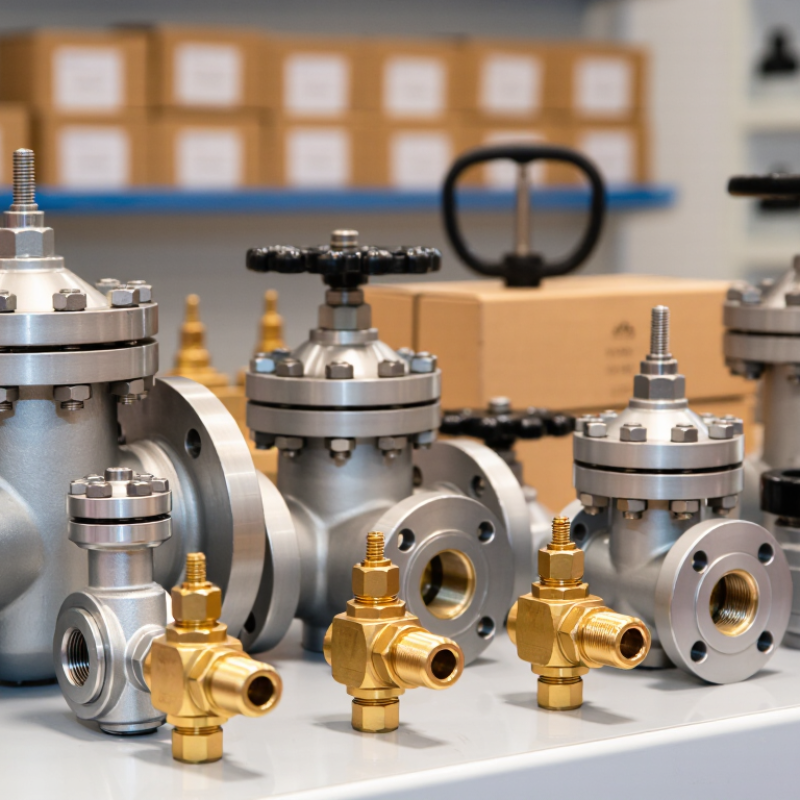
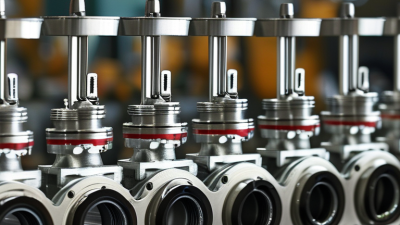
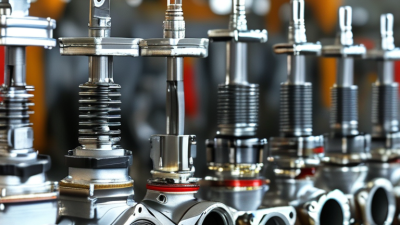
A top-control exhaust valve is an exhaust-flow valve with its actuator or control assembly mounted above the valve body. Depending on its design, it can release, isolate, or regulate air or gas leaving a system. The top-mounted controls may allow remote operation and provide position feedback. Yet the term can describe different configurations, so check the product drawing and operating manual before specifying one.
These valves are used in pneumatic equipment, industrial ventilation, and process or combustion systems designed for controlled exhaust. For example, a valve may vent compressed air from a machine after a cycle, or help manage discharge flow in a process line. Service conditions matter. Gas temperature, pressure, flow rate, and corrosiveness affect material and actuator choices. An exhaust valve is not automatically suitable for every venting duty.
Tips: Confirm the required flow direction, connection size, and fail position. Check whether the valve must open fully or modulate flow. Leave clearance above the body for actuator access. A tight installation can make maintenance awkward. Also, verify compatibility with the system’s control signal and operating medium; assumptions here can lead to poor response or leakage.

A top-control exhaust valve uses a control assembly mounted above the valve body to manage opening and closing. In pneumatic systems, control pressure moves an internal element, while a spring or opposing pressure may return it. When the valve opens, air leaves through the exhaust port. The exact sequence depends on the valve design and circuit.
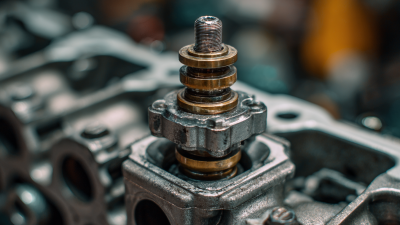
Small details matter. A poppet design lifts from a seat, often giving a direct flow path and quick response. A spool design slides across ports, allowing different flow arrangements but requiring suitable clearances and clean air. Some valves use pilot pressure to operate a larger passage. Others act directly, which can simplify the circuit but limit capacity. Listen for a sharp release, not a persistent hiss.
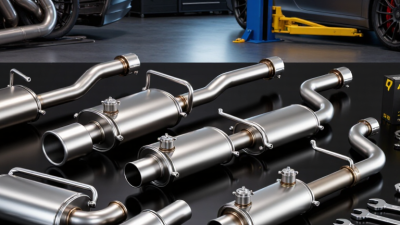
Selection should match operating pressure, required exhaust flow, response time, and available space. Check port size and whether a silencer will restrict discharge. A compact valve may fit neatly, yet run warmer or release air more slowly under frequent cycling. That trade-off is easy to miss. Inspect seals and moving parts during service, and verify performance under the actual load; catalog values alone may not reflect the installation.
When comparing control exhaust valve manufacturers, begin with the operating conditions, not a catalogue photo. Check the specified temperature range, pressure, flow capacity, and allowable leakage. A valve used near a hot engine outlet may face vibration and rapid temperature changes. Ask how the manufacturer validates performance under those conditions. Small details matter.
Material selection should match the exhaust environment. Request material grades, coating details, and evidence of corrosion or heat-resistance testing. Then review inspection records, dimensional tolerances, and batch traceability. Clear records make it easier to investigate a mismatch, such as a mounting face that does not sit flush. Consistency matters more than an impressive sample. Also compare production capacity, realistic lead times, and the process for handling design changes. A low quote can hide assumptions about testing or documentation, so confirm what is included in writing.
For practical evaluation, request a sample and check actuator response, connection dimensions, and sealing surfaces against your specifications. Ask whether test results apply to the same configuration you plan to purchase. Technical support counts too: can engineers explain failure modes and recommend adjustments without vague promises? No checklist catches every issue. It is worth admitting that supplier comparisons can remain imperfect when applications differ or test methods are not directly comparable. Keep those gaps visible in your decision notes.
Top-control exhaust valve manufacturers vary by region, and geography alone does not prove quality. European producers often emphasize precise machining, documented testing, and stable performance across repeated cycles. Buyers should ask for pressure-flow curves and materials data, not rely on polished catalogue claims. Small details matter.
In North America, suppliers may offer application-specific configurations and responsive engineering support. This can help when a valve must fit an existing pneumatic system or operate within a narrow pressure range. Check connection dimensions, exhaust capacity, and replacement-part availability before approving a sample. A fast quotation is useful, but it is not a durability test.
East Asian manufacturers often provide broad production capacity and competitive lead times, while suppliers in India and Southeast Asia are expanding their industrial valve capabilities. These patterns are not guarantees; factory standards differ within every region. A practical assessment includes inspection records, batch traceability, leakage tests, and clear answers about operating limits. Request a sample under realistic conditions. I would also leave room for uncertainty: one successful test cannot predict years of service. Compare regional suppliers against the same technical checklist and operating environment.
| Region | Common Manufacturing and Supply Profile | Typical Valve and Control Options | Common Materials and Connections | Relevant Testing and Standards to Confirm | Buyer Considerations |
|---|---|---|---|---|---|
| North America | Suppliers commonly serve industrial process, power, water, and energy markets. Product ranges may include engineered valves and application-specific actuator packages. | Top-mounted pneumatic or electric actuators, positioners, limit switches, and control accessories may be available depending on the valve design. | Common options include carbon steel and stainless steel bodies, with flanged, threaded, or welded end connections selected for the application. | Confirm the applicable pressure rating and whether inspection is conducted to standards such as API 598 or ISO 5208. These standards address valve inspection and testing; applicability depends on valve type and contract requirements. | Check operating conditions, local service coverage, documentation, and whether the actuator package is supplied and tested with the valve. |
| Europe | Manufacturing and supply commonly support industrial process, building services, water, and energy applications, with requirements often shaped by European market rules. | Options can include manual, pneumatic, or electric actuation, together with control and position feedback accessories where specified. | Material and end-connection choices vary by pressure, temperature, fluid, and installation requirements; flanged and welded configurations are commonly specified for industrial service. | For applicable valve categories, buyers may need to assess the Pressure Equipment Directive (PED) and the relevant harmonized product standards. EN 12266-1 covers industrial valve pressure testing where applicable. | Verify conformity documentation, pressure equipment classification, face-to-face dimensions, and compatibility with the plant’s control system. |
| East Asia | Regional supply includes a broad range of industrial components and valve assemblies for domestic and export markets. Production scale, inspection scope, and customization vary by supplier. | Top-mounted control packages may be configured with pneumatic or electric actuation; confirm fail position, control signal, and accessory specifications in the purchase documents. | Commonly offered materials include cast or forged carbon steel and stainless steel, subject to the required design and service conditions. | Specify the required design code, pressure-temperature rating, material traceability, and test standard. Standards such as ISO 5208 or API 598 should be named explicitly when required by the project. | Review drawings, material certificates, inspection and test plans, sample documentation, and export packaging requirements before order approval. |
| South Asia | Suppliers serve domestic infrastructure and industrial demand, including process, water, and energy projects. Available engineering and manufacturing capabilities differ across product categories. | Actuator and control accessories are often selected to match the required automation level, available utilities, and operating sequence. | Material grades and connection types should be specified against the service fluid, corrosion risks, pressure, and temperature rather than assumed from region alone. | Request the applicable design basis, pressure test records, material certificates, and any project-specific inspection or certification documents. | Assess lead time, spare-parts availability, inspection access, and the supplier’s ability to provide the complete valve-and-actuator assembly. |
| Middle East | Supply commonly focuses on oil and gas, petrochemical, utilities, and water projects, where project specifications may impose detailed inspection and documentation requirements. | Actuation packages may be configured for remote operation, control-room signals, and specified operating or fail-safe behavior. | Material selection should account for pressure, temperature, corrosion, and the process medium; special material requirements must be stated in the datasheet. | Confirm the project’s required valve design code, pressure testing, inspection level, and any industry-specific specifications. API 598 is a valve inspection and testing standard, not a universal design requirement. | Check project approval requirements, traceability, third-party inspection needs, environmental conditions, and local commissioning support. |
| Latin America | Regional supply supports sectors such as mining, energy, water, and general process industries. Import availability and local service options can vary by country and application. | Manual and actuated configurations may be available; confirm actuator sizing, control accessories, and the intended operating duty. | Specify body and trim materials, connection dimensions, and pressure class according to the installation and process conditions. | Agree on the governing design and test standards in the purchase specification, and request inspection records and material documentation where required. | Consider delivery route, customs documentation, language requirements for manuals, spare-parts access, and after-sales support. |
A control exhaust valve supplier should be assessed against the actual duty cycle, not just a catalog description. Share the required flow range, exhaust temperature, pressure, response time, and mounting dimensions. Ask how the supplier verifies sealing and actuator compatibility. A useful review includes material certificates, dimensional inspection records, and test results tied to a sample or production lot. A neat brochure is not proof.
Check whether the supplier can explain its process clearly. Ask about machining tolerances, assembly controls, calibration methods, and how design changes are approved. Request a representative sample and test it under realistic conditions, including repeated operation and temperature variation. Small differences matter. A valve that fits the drawing may still respond slowly or leak at an operating point. Record findings against agreed acceptance criteria, rather than relying on verbal assurances.
Procurement planning should cover more than unit price. Compare minimum order quantities, production capacity, quoted lead times, packaging, spare-part availability, and shipping documentation. Confirm how defects are reported and contained, and who pays for corrective work. Keep technical approvals separate from commercial approval. One uncomfortable lesson: the lowest quote may leave testing, tooling, or replacement costs unclear. Supplier relationships also need review; forecasts change, and a dependable source can still miss a deadline. Build realistic buffers and revisit assumptions before each purchase.