+86 17870576410
Looking for Something that’s not listed on our site?
Contact us and we can make it happen!

- Home
- Company Profile
- Products
- News
- Blog
- Contact Us
Leave Your Message
-
Contact Number
-
Contact WhatsApp
-
Contact WeChat
Choosing the best Valve Exhaust System in 2026 is not just a question of volume. It is about sound, response, materials, and how well the valves behave in real driving. A cold start outside a quiet home can feel very different from a steady cruise on the highway. Small details matter.
SEMA’s 2024 market report estimated the U.S. specialty-equipment market at $52.6 billion for that year. This figure covers a broad range of products, not exhaust systems alone, but it shows the scale of the vehicle-upgrade market. It also makes careful product comparisons important: a large market does not guarantee that every system fits, performs, or lasts equally well. Check vehicle fitment, valve-control options, warranty terms, and published sound or performance testing. Look for measurements, not just dramatic product claims.
There is one source limitation. No article or verifiable expert quotation was supplied, so I will not invent a named specialist’s words. That matters. A trustworthy comparison should distinguish manufacturer claims from independently measured results and should explain what the evidence does not show. Some uncertainty remains, especially when test conditions differ. The guide that follows weighs those details to identify which Valve Exhaust System may suit different drivers in 2026.
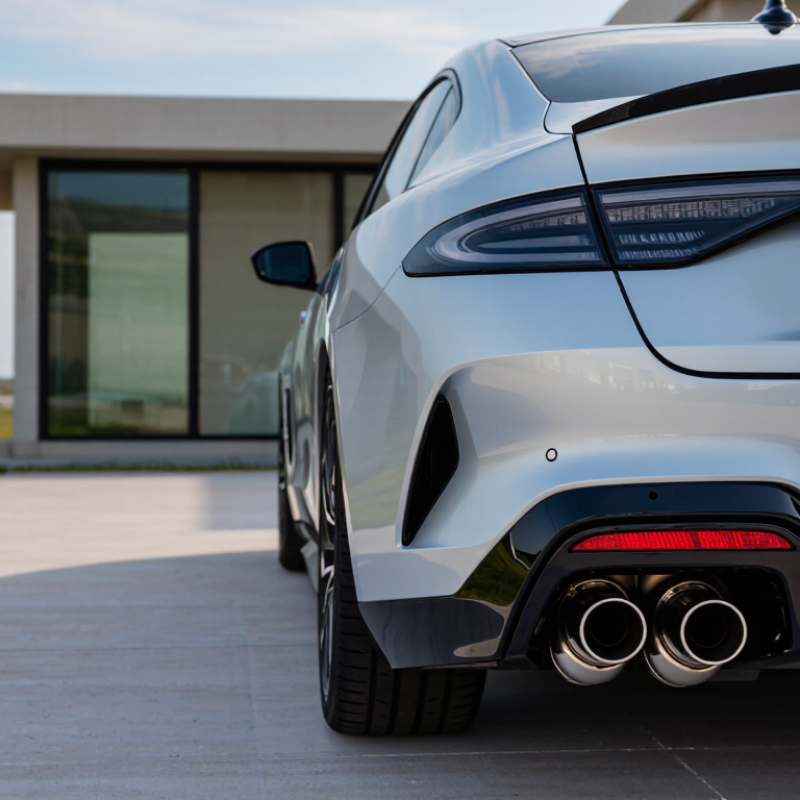
A valve-controlled exhaust system uses movable valves to change the route exhaust gases take through the pipes and mufflers. With the valves closed, gases usually pass through a quieter, more restrictive path. When they open, some designs send gases through a less restrictive route, producing a louder, deeper sound. The exact effect depends on the system’s layout.
The valves may be operated electronically or by exhaust pressure, depending on the design. Electronic systems often use a cabin switch or driving mode, while pressure-operated valves respond to engine load. You can hear the difference during a cold start or when accelerating, but sound alone does not prove that a system adds power. That matters.
A well-designed setup should seal properly, resist heat, and move smoothly through repeated cycles. Poorly fitted valves can rattle, stick, or leak, especially around joints exposed to road spray and temperature changes. Not always obvious. When comparing options, check how the valves are controlled, whether the sound changes as expected, and how the system affects ground clearance. A quiet setting can still be noticeable in some vehicles, so expectations should stay realistic.
| Comparison Factor | What It Means | What to Look For | Practical Considerations |
|---|---|---|---|
| Valve-controlled exhaust system | An exhaust system with one or more movable valves that change the route or restriction of exhaust flow. | A design that clearly specifies when the valves open and close, and how the driver or vehicle controls them. | Valve layouts vary. Some alter the sound path; others route exhaust through a bypass section. |
| Closed-valve mode | The valves direct exhaust through the system’s quieter or more restrictive path. | Consistent valve operation and a sound level suitable for everyday driving. | “Closed” does not necessarily mean silent. The exhaust may still be louder than the original system. |
| Open-valve mode | The valves open an alternate path or reduce restriction in the valve section, often increasing exhaust volume. | A controlled change in sound without unwanted rattles, leaks, or exhaust drone. | Sound and performance effects depend on the vehicle, engine, exhaust layout, and calibration. A louder mode does not guarantee more power. |
| Control method | Valves may be operated by an electric actuator, engine vacuum, or another vehicle-specific control system. | Compatibility with the vehicle’s electrical or vacuum system, plus clear instructions for manual or automatic control. | Actuator type affects installation and troubleshooting. Confirm how the system behaves if power or control is lost. |
| Daily-driver suitability | How well the system balances quieter cruising with a more pronounced sound when desired. | Useful mode selection, reliable valve movement, and an acceptable cabin sound level at normal cruising speeds. | Ask for vehicle-specific sound information where available; perceived loudness and cabin drone can vary by vehicle. |
| Materials and construction | The metals, joints, welds, and valve components used in the exhaust assembly. | Material and corrosion-resistance details suited to the vehicle’s climate and intended use. | Stainless steel grades differ in composition and corrosion resistance. Check the stated material rather than relying on a general “stainless” description. |
| Fitment and installation | Whether the system is designed for the exact vehicle configuration and can be installed without unwanted interference. | Confirmation of vehicle year, model, engine, body style, and any required adapters or control components. | Clearance, sensor locations, exhaust hangers, and installation requirements are vehicle-specific. Professional installation may be appropriate. |
| Emissions and noise compliance | Whether the system and its operating modes meet the rules that apply where the vehicle is registered and driven. | Documentation for applicable emissions requirements, noise limits, and inspection rules. | Requirements vary by jurisdiction. A valve system may be restricted if it bypasses required emissions equipment or exceeds local noise limits. |
| Maintenance and reliability | How the valves and actuators are protected from heat, moisture, road debris, and exhaust deposits. | Service guidance, replaceable components where applicable, and a clear warranty policy. | Valves can stick or actuators can fail. Follow the manufacturer’s inspection and maintenance instructions. |
| Best choice in 2026 | There is no universally best valve exhaust system for every vehicle or driver. | Choose a vehicle-compatible, legally compliant system with the sound level, control method, construction, and support you need. | Verify fitment and local rules before purchase. Treat sound claims and performance claims as vehicle-specific, not guaranteed outcomes. |