+86 17870576410
Looking for Something that’s not listed on our site?
Contact us and we can make it happen!

- Home
- Company Profile
- Products
- News
- Blog
- Contact Us
Leave Your Message
-
Contact Number
-
Contact WhatsApp
-
Contact WeChat
Choosing a dependable supplier takes more than comparing prices or browsing polished product photos. A Vehicle Exhaust Pipe must fit its intended vehicle, withstand heat and vibration, and resist corrosion in real operating conditions. Even a small change in pipe diameter, bend angle, or wall thickness can affect installation and service life. Details matter. For global buyers, supplier selection also involves production capacity, material consistency, inspection records, and clear communication across time zones. A low quotation may look attractive, but it tells only part of the story.
This guide introduces manufacturers serving international markets and outlines practical points buyers can use when assessing them. Look for specific information about materials, manufacturing processes, dimensional checks, and traceability—not broad promises alone. Ask whether samples can be checked against drawings and fitment requirements before larger orders are placed. Confirm that product documentation suits the destination market and application; requirements can differ by vehicle type and region. A careful review helps reduce avoidable delays. Still, no supplier profile can replace direct verification, and a strong website does not guarantee consistent production. That is worth remembering. The manufacturers covered here offer potential options, but the right choice depends on your specifications, order volume, quality expectations, and after-sales needs. Compare evidence, ask precise questions, and leave room for a second review before committing.
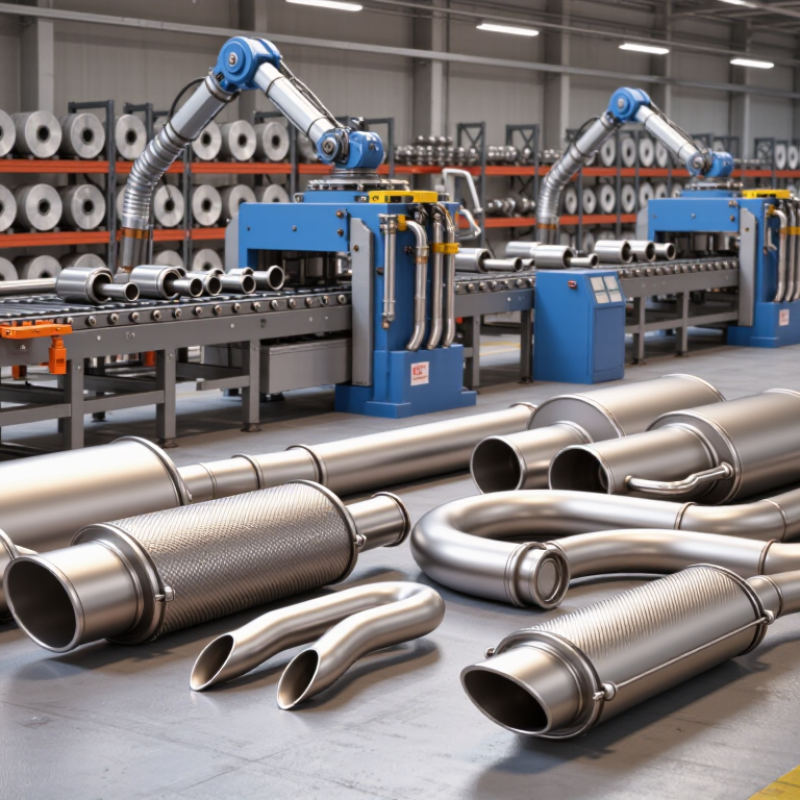
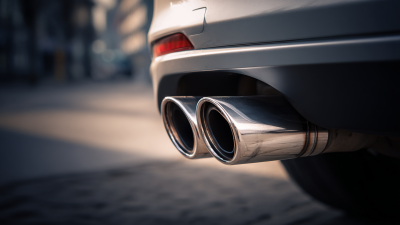
A vehicle exhaust pipe carries hot gases from the engine toward the outlet. It is more than a hollow tube. Its route helps control heat, vibration, noise, and underbody clearance. Depending on the vehicle, pipes link the exhaust manifold with emission-control devices and the muffler. The pipe itself does not remove pollutants. That distinction matters.
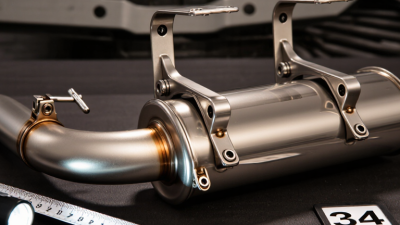
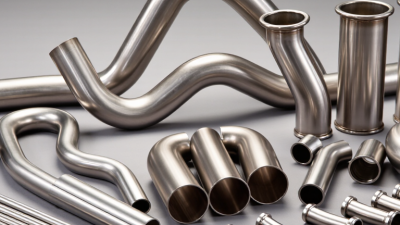
Most assemblies use shaped metal tubing, joined by flanges or welded connections. Bends guide gases around the chassis, while hangers keep the pipe from rattling against the floor. Some systems include flexible sections to absorb engine movement. Fit matters. A small misalignment can strain a joint or create a leak. Road salt and trapped moisture can also corrode low points, especially where condensation collects.
For global buyers, useful checks include tube diameter, wall thickness, material, bend accuracy, and connection positions. These details affect installation and durability, not just appearance. Heat cycling can gradually weaken poor welds, while overly rigid layouts may transfer vibration into the cabin. Service access can be awkward, too; designers do not always get a perfect compromise. A close look at clearances and hanger placement can reveal problems before installation.
| Pipe Section or Buyer Dimension | Typical Structure or Material | Primary Purpose | Role in the Emission System | Practical Sourcing Checks |
|---|---|---|---|---|
| Front pipe or downpipe | Formed or bent tubing, commonly made from stainless steel or coated steel; connects the engine-side exhaust outlet to downstream components. | Carries hot exhaust gas away from the engine and provides a connection to the next exhaust section. | Routes gas toward the catalytic converter and other aftertreatment devices; the pipe itself does not perform catalytic conversion. | Confirm vehicle-specific routing, flange position, sensor openings where required, heat clearance, and connection dimensions. |
| Intermediate pipe | Straight or mandrel-bent tubing, with diameter and length determined by the vehicle exhaust layout. | Connects exhaust components while maintaining a sealed path for exhaust flow beneath the vehicle. | Conveys exhaust between aftertreatment components and the silencer or rear section. | Check tube diameter, bend geometry, joint type, dimensional tolerances, and compatibility with the intended vehicle configuration. |
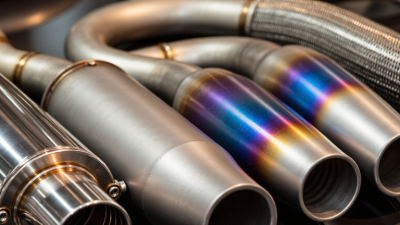
| Flexible exhaust joint | A flexible section commonly incorporating a corrugated metal liner and a braided stainless-steel outer layer; designs vary by application. | Accommodates engine movement and vibration, helping reduce stress on connected pipes and joints. | Maintains the exhaust passage while allowing limited movement; it is not an emissions-treatment device. | Verify overall length, inside diameter, end configuration, braid coverage, and suitability for the operating temperature and movement range. |
| Resonator and rear pipe | Tubing connected to a resonator or silencer; assemblies may include shaped bends, hangers, and welded joints. | Routes exhaust toward the rear of the vehicle and supports the exhaust system’s intended acoustic performance. | Carries treated exhaust toward the outlet; sound-control components affect noise, while the pipe primarily conveys gas. | Inspect hanger locations, outlet orientation, clearance, weld quality, and fit with the specified resonator or silencer. |
| Aluminized steel tubing | Steel tubing coated with an aluminum-silicon layer for improved resistance to oxidation and corrosion compared with uncoated carbon steel. | Provides a cost-conscious option for exhaust sections where the specified service conditions are suitable. | Serves as a gas-carrying pipe; material choice does not replace required emission-control components. | Ask for coating and wall-thickness specifications, corrosion expectations, and details of how cut edges and weld areas are handled. |
| Stainless steel tubing | Exhaust applications commonly use ferritic stainless steel such as type 409; austenitic grades such as type 304 may be selected where greater corrosion resistance is required. | Offers material options suited to different temperature, corrosion, durability, and cost requirements. | Provides a durable exhaust-gas path when correctly specified; emission performance depends on the complete system and vehicle calibration. | Request the exact material grade, applicable material documentation, wall thickness, weld process, and corrosion or durability validation. |
| Manufacturer capability | Relevant processes may include tube cutting, bending, end forming, welding, fixture-based assembly, and dimensional inspection. | Supports consistent production of replacement or vehicle-specific pipe assemblies. | Accurate fit and leak-resistant joints help the complete exhaust and aftertreatment system operate as designed. | Review sample inspection reports, traceability, quality controls, packaging, production capacity, and export documentation. Confirm applicable local requirements for replacement parts. |
Note: Exhaust pipe dimensions, material requirements, and connection details vary by vehicle and market. Confirm fitment and regulatory requirements against the intended application before ordering.